




Introduction — Why Naples Is the True Capital of Pizza
Visiting Naples without hunting down where to eat authentic Neapolitan pizza would be like going to Paris and skipping the Eiffel Tower: technically possible, but painfully incomplete. Naples is where pizza was born, shaped by centuries of culinary tradition, wood-fired ovens, and a local obsession with dough, sauce, and top-quality ingredients. This guide gives you not only a selection of emblematic pizzerias, but exact addresses, opening hours, indicative prices in euros, immersive descriptions and local tips to get the most out of every experience.
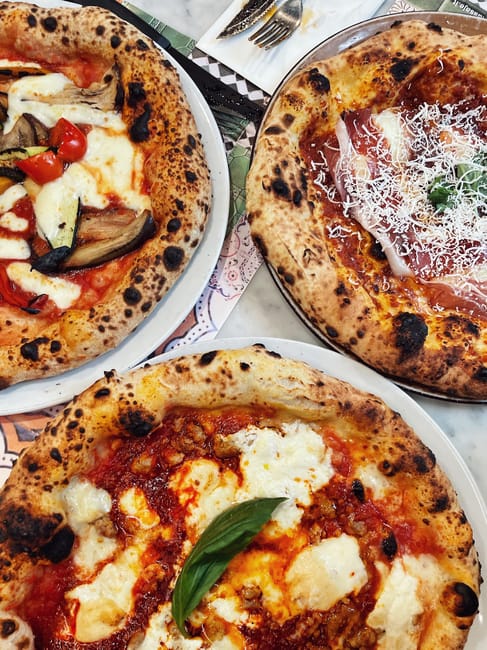
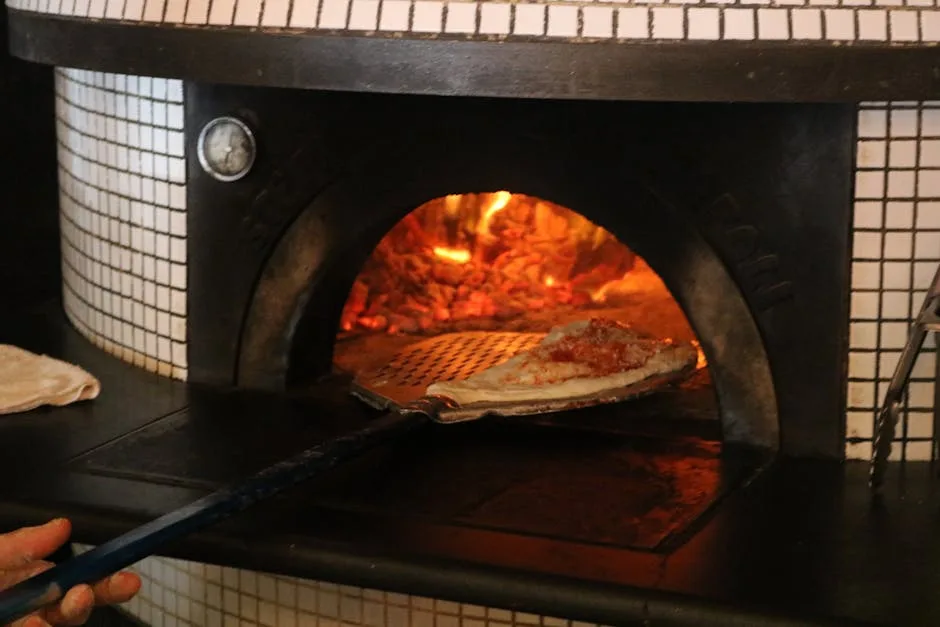
« Neapolitan pizza » is defined by a very hydrated dough, a speedy bake at very high temperatures (often 400–485 °C) in a wood-fired oven, a puffed, tender and slightly charred rim (cornicione), and a soft, sometimes almost melting center. Ingredients are simple but rigorously chosen: San Marzano tomatoes or peeled tomatoes, buffalo mozzarella or fior di latte, fresh basil, extra-virgin olive oil. In Naples, pizza isn’t eaten like a menu item so much as a way of life — often shared, often at the counter, sometimes sitting on worn wooden chairs and always accompanied by a strong espresso or a local beer.
This guide doesn’t attempt to list every pizzeria in Naples — that would be impossible — but it steers you toward historic and contemporary spots known for the quality of their pies. Each entry includes the full name, exact address, opening hours, indicative prices, plus practical tips: when to go to avoid the queue, how to order the Italian way, and what to try first (Margherita, Marinara, frittatine or other local specialties). You’ll also learn the small signs that set a true Neapolitan pizza apart from an imitation: the feel of the cornicione, the smell of burning wood, the way the cheese almost weeps when you slice it.
Finally, this guide includes behavioral tips — respectful and useful — for dealing with staff who are often busy and proud of their product, how to handle sometimes long waits (Naples is popular and queues are part of the ritual), and alternatives for travelers in a hurry or those seeking a more gastronomic experience. Get your appetite ready: Naples sets its own culinary pace. Portions are generous, prices can be very reasonable, and each bite tells an old story — of a people for whom conviviality is expressed through great food.
Antica Pizzeria da Michele — The Historic Icon
Name: Antica Pizzeria da Michele
Address: Via Cesare Sersale 1, 80139 Napoli, Italy
Opening hours: Monday–Sunday 11:00–23:00 (possible closure between 15:30–18:30 depending on season). Check public holidays.
Indicative prices: Margherita €5.50, Marinara €4.50, mixed fried snacks (portion of frittura) €6–8.
Antica Pizzeria da Michele has acquired an almost mythical aura, partly thanks to its longevity and a straightforward approach: a few recipes, executed to perfection. Stepping into Da Michele is stepping into a simple dining room, white tablecloths and quick servers. The line is often long — expect to wait 30–90 minutes at peak times — but the experience is usually worth it. The dough is light and well-risen, the cornicione shows meaty bubbles and slight charring, signs of intense wood-fired baking.
Local tip: arrive early (11:00–12:30) or late (after 21:00) to cut down on waiting. Order the Margherita if it’s your first visit: it’s the restaurant’s calling card. Don’t ask for non-traditional extras — the place prides itself on simplicity. Cash and cards are generally accepted, but it’s wise to have some cash if you visit the small annex rooms.
Gino Sorbillo and Lievito Madre — Tradition and Renewal
Name: Gino Sorbillo — <a href="https://naples.ue.is/en/naples-lungomare-walk-essential-itinerary/ »>Lievito Madre al Mare (and Gino Sorbillo in centro)
Addresses: Via dei Tribunali 32, 80138 Napoli (Sorbillo centro); Via Partenope 1, 80121 Napoli (Lievito Madre al Mare, seaside)
Opening hours: Via dei Tribunali: Monday–Sunday 11:30–00:30; Via Partenope: 12:00–23:30 (seasonal hours, check ahead)
Indicative prices: Margherita €7.00–€9.50, Marinara €6.00–€8.00, special creations €10–€15.
Gino Sorbillo is one of the most high-profile figures of modern Neapolitan pizza. His Via dei Tribunali pizzeria is often packed with young locals and informed tourists. Sorbillo has modernized certain codes without betraying the Neapolitan soul: light doughs, controlled fermentation, and creativity in toppings. Lievito Madre al Mare, located on the Via Partenope promenade, offers a more panoramic experience — perfect after a stroll along the Lungomare.
Immersive description: picture dough almost translucent in the center, framed by an airy cornicione; a bright, tangy tomato sauce, and mozzarella that melts into supple sheets. Portions are generous; a Margherita shared between two people is often enough. The vibe is festive, service quick but warm. Expect long lines, especially at dinner.
Practical tips: reservations are sometimes possible via local platforms, but most days you’ll need to wait on site. Try the « speciali » pizzas to see how Sorbillo pairs local ingredients (buffalo mozzarella, fresh basil, olive oil) with contemporary touches (creams, grilled vegetables). If you’re sensitive to crowds, Lievito Madre al Mare usually offers a calmer daytime experience.
Pizzeria Starita and Di Matteo — Popular Classics and Crispy Treats
Name: Pizzeria Starita (Starita a Materdei) and Pizzeria Di Matteo
Addresses: Pizzeria Starita — Via Materdei 27, 80136 Napoli. Pizzeria Di Matteo — Via dei Tribunali 94, 80138 Napoli.
Opening hours: Starita: Monday–Sunday 12:00–16:00 / 19:00–00:00; Di Matteo: Monday–Sunday 11:00–00:30 (indicative hours).
Indicative prices: Starita Margherita €6.00–€9.00, « Montanara fritta » special €4.50–€6. Di Matteo Margherita €5.00–€7.00, assorted fried snacks €3.50–€6.00.
Pizzeria Starita, located in the Materdei neighborhood, is famous for its inventiveness and for offering the « Montanara » — a pizza that’s fried and then finished in the oven. The dining room is cozy and often frequented by local families. Starita’s texture leans toward a slightly crispier edge with a soft interior. The chef and the house have a long-standing commitment to quality, and the pizzeria has received many international accolades.
Di Matteo, right in the heart of Spaccanapoli, is appreciated for its wallet-friendly prices and classic pizzas. It’s also a great spot to sample Neapolitan « fritti » — arancini, crocchè, and small supplì — which pair perfectly with a slice of pizza. Di Matteo has a more popular, often louder atmosphere; ideal for those seeking an authentically local vibe.
Local tips: at Starita, try the Montanara if you like gentle frying — it’s a unique textural delight. At Di Matteo, the « al piatto » (plate) option lets you try several fried items at a very reasonable price. To reduce waiting time, consider a weekday lunch. And always keep small change for counter orders and respect the space — Neapolitans eat fast and often leave quickly to free up tables.
50 Kalò and Pizzeria Brandi — Excellence and Legend
Name: 50 Kalò di Ciro Salvo and Pizzeria Brandi
Addresses: 50 Kalò — Via S. Sebastiano 13, 80129 Napoli. Pizzeria Brandi — Salita S. Anna di Palazzo 1/2, 80132 Napoli (near Piazza del Plebiscito).
Opening hours: 50 Kalò: Tuesday–Sunday 12:00–14:30 / 19:00–23:30 (closed on Mondays). Pizzeria Brandi: Monday–Sunday 12:00–15:00 / 18:30–23:00 (indicative hours).
Indicative prices: 50 Kalò Margherita €8.00–€12.00, refined creations €10–€18. Pizzeria Brandi Margherita €7.00–€12.00, the historic « Margherita » often around €9–€12.
50 Kalò is one of the contemporary benchmarks for technical excellence: long dough fermentations, carefully selected ingredients and mastered baking. The atmosphere is more modern, often frequented by food enthusiasts. The pizzas have exceptional texture — a well-aerated cornicione, a soft center, and balanced flavors. Ciro Salvo has promoted a scientific approach to dough without sacrificing the Neapolitan soul.
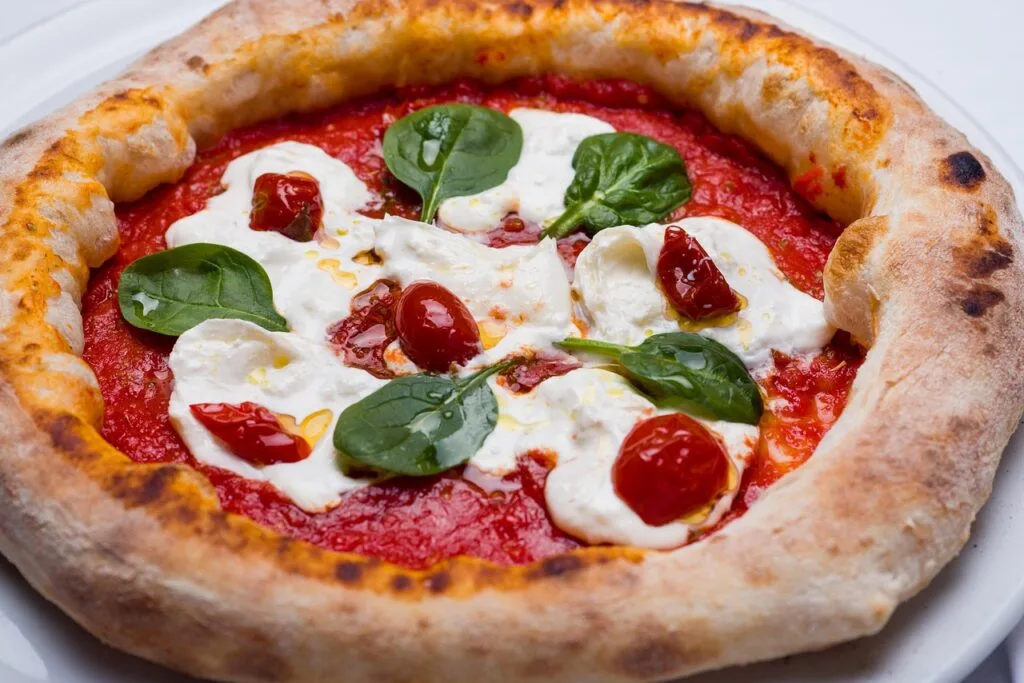
Pizzeria Brandi, on the other hand, is steeped in history: it’s credited with creating (or at least popularizing) the « Margherita » in 1889 in honor of Queen Margherita. The place is almost museum-like, with documents and photos recounting its historical role. The pizza here is more traditional, served in a tourist-frequented but sincere setting — ideal for travelers who want to taste history.
Practical tips: 50 Kalò is often less crowded than Sorbillo or Da Michele but deserves a reservation, especially in the evening. Pizzeria Brandi can be very busy with tourists; if you want a quieter experience, aim for a lunchtime visit outside the high season. In both places, try the Margherita first to gauge the pizzaiolo’s philosophy, then a local specialty to compare.
Conclusion — Pick Your Neapolitan Pizza Based on What You Want
Choosing where to eat authentic Neapolitan pizza depends on what you’re after: pop authenticity, a historical setting, culinary innovation, or a seaside view. Antica Pizzeria da Michele and Di Matteo are refuges for popular, traditional experiences at gentle prices; Gino Sorbillo and 50 Kalò represent a modern, creative wave; Starita blends tradition and inventiveness (notably with the Montanara); Pizzeria Brandi offers a historical immersion. Each spot has its own rhythms, hours and tricks to reduce waiting: arrive outside peak times, share a pizza, or opt for weekday lunch.
Some final tips: always carry small change; respect the queue — courtesy matters in Naples; ask the pizzaiolo for advice if you’re undecided; taste the Margherita first to judge the dough and sauce; pair your pizza with a strong espresso or a local beer, and finish with a limoncello if the chance arises. If you’re curious, combine a visit to a renowned pizzeria with a walk through the historic neighborhoods (Spaccanapoli, Quartieri Spagnoli): the food experience always connects back to the city itself.
Finally, remember that Neapolitan pizza is a living art: recipes evolve, masters change, but the passion stays the same. Take the time to savor, watch the pizzaiolo shape the dough, listen to the crackle of wood in the oven and share your table with locals — that’s often where the best memories are made. Enjoy your meal and buona pizza!