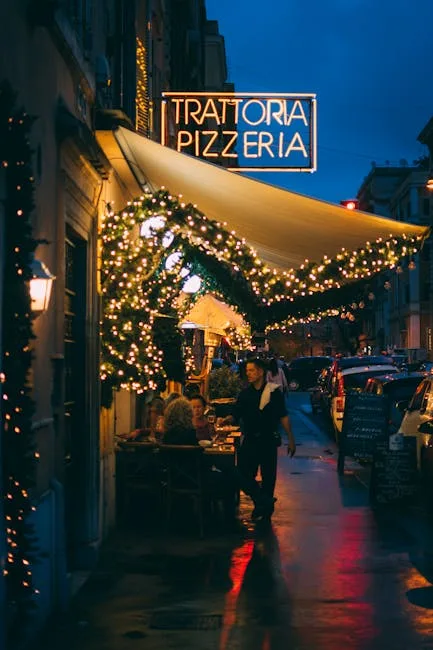






Introduction: Dive into the Soul of Neapolitan Pizza
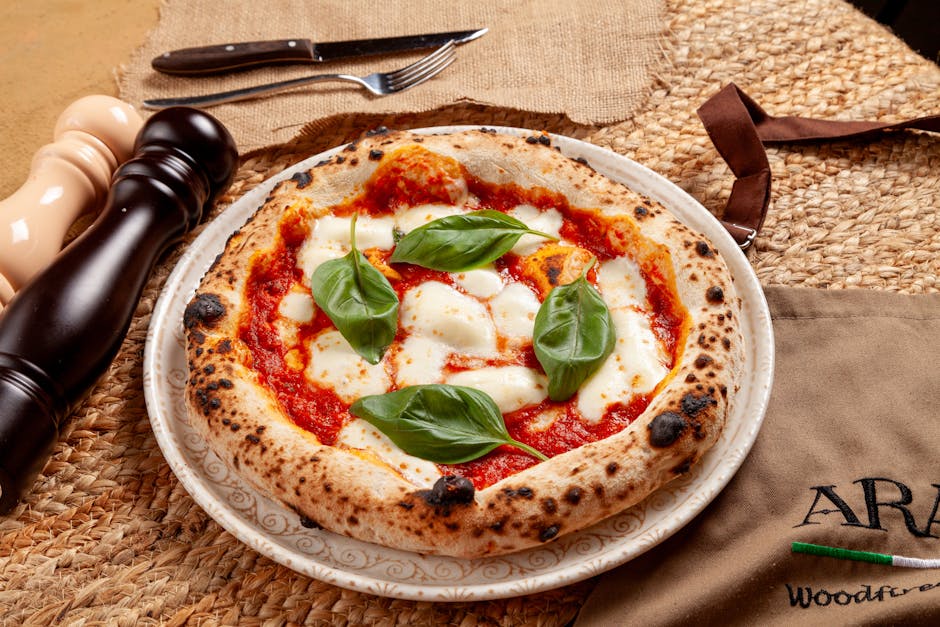
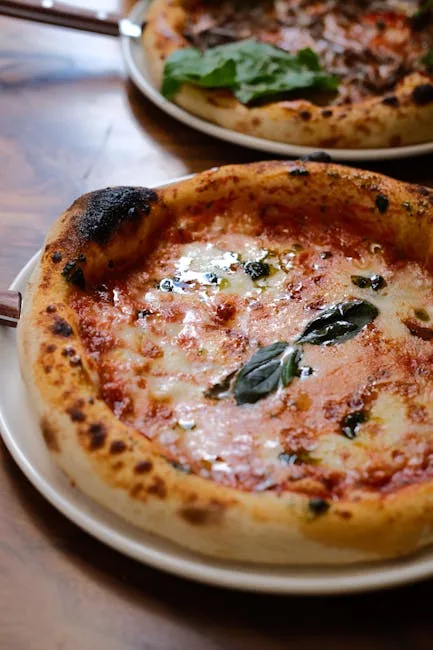
Naples is more than a city — it’s a full sensory experience where every street corner breathes history, the sea, and above all, the smell of pizza baking in a wood-fired oven. To truly understand authentic Neapolitan pizza, you have to accept it as a living heritage, a popular art born in the alleys between Spaccanapoli and the seafront on Via Partenope. Here, pizza isn’t just a dish; it’s a ritual built around simple ingredients — flour, starter, San Marzano tomatoes, mozzarella di bufala — and an oven that reaches dizzying temperatures. The result is a tender dough with a puffed-up cornicione (edge), soft yet marked by slight charring that tells the story of the oven’s heat meeting the pizzaiolo’s hand.
The city offers countless pizza temples, from century-old institutions to contemporary newcomers. Among them, Antica Pizzeria Da Michele (Via Cesare Sersale, 1/3, 80139 Napoli NA), founded in 1870, is often cited as one of the purest examples of tradition. A few steps away, the frenzy of Via dei Tribunali concentrates historic pizzerias like L’Antica Pizzeria Port’Alba (Via dei Tribunali, 18, 80138 Napoli NA) and the famous modern name Gino Sorbillo (Via dei Tribunali, 32, 80138 Napoli NA). But recognizing authenticity isn’t just about names: you need to look at the dough, smell the mozzarella, listen to the pizzaiolo, and read the urban context — the Gulf of Naples’ light, the scent of laundry on a line, the call of street vendors.
In this article I’ll walk you through how to tell a true Neapolitan pizza from a pale imitation. I’ll give precise places, exact addresses, opening hours and indicative prices in euros, plus local tips so you can not only eat like a Neapolitan but taste the history folded into every bite. Whether you’re already familiar with Italian cuisine or it’s your first time here, these pointers will help you navigate tradition versus tourism, tourist plates versus genuine culinary masterpieces.
How to Recognize the Dough and Cornicione: Texture, Fermentation and Baking
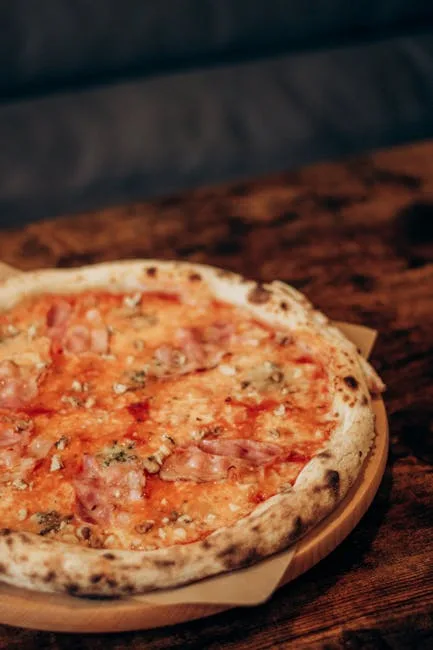
The dough is the heart of Neapolitan pizza. It’s characterized by a moist crumb, pronounced elasticity and a cornicione that’s puffed, airy and often slightly charred in spots — the famous « carbon spots » that testify to a very hot wood-fired oven (around 430–480 °C). A real cornicione should not be crispy like a thin Roman crust, nor dense like mass-produced dough. It should be tender, almost melting in your mouth, with a visible alveolar structure when cut.
Fermentation plays a central role. Traditional pizzaioli often use slow fermentation — sometimes 8 to 24 hours, or even longer — to develop flavor and digestibility. To the touch, a well-fermented dough is supple: stretched by hand it should lengthen without excessive holes and spring back slightly to its shape. If the pizza is rolled out with a pin or the base is too thin, be wary: that’s not authentic Neapolitan style.
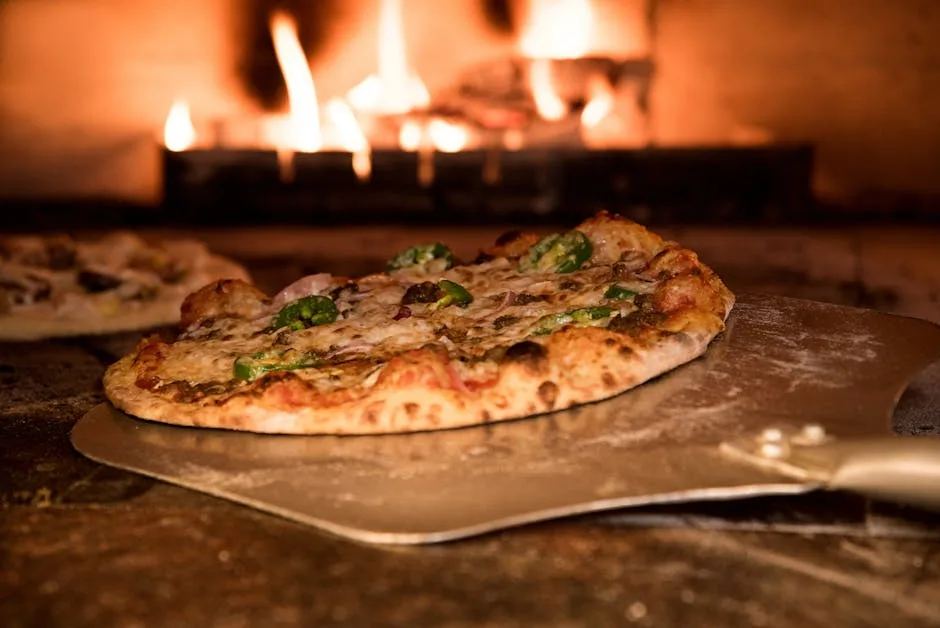
Baking is done exclusively in a wood-fired oven, ideally in about one and a half to two minutes for a pizza. That short exposure to very high heat creates the contrast: a cooked but flexible base, a puffed edge and a light smoky flavor. Look at the underside: it should be spotted with black and brown, not uniformly dark. An electric or gas oven can make a decent pizza, but the wood-fired aroma is missing.
Local practical tip: ask the pizzaiolo how they handle fermentation and how long the oven stays at temperature. In places like Antica Pizzeria Da Michele (Via Cesare Sersale, 1/3) you can often watch pizzaioli shaping and sliding pies into the oven in full view. Indicative price: a Margherita at Da Michele is usually around €6–€8. Opening hours: often 11:00–23:00 (hours vary by season).
 Click here to learn Neapolitan pizza and tiramisu
Must-have Ingredients: Tomatoes, Mozzarella and Olive Oil
Authentic Neapolitan pizza rests on impeccable-quality ingredients. The tomato sauce should be made from San Marzano D.O.P. tomatoes — a dense, sweet, low-water variety native to Campania — or at minimum high-quality peeled Italian tomatoes. The ideal mozzarella is mozzarella di bufala campana D.O.P. or local fior di latte; it should melt without making the pizza overly wet or overpowering the tomato.
Extra virgin olive oil is used sparingly, often just a drizzle after baking to enhance aromas. Fresh basil, added after baking, brings that green, fragrant note that balances the tomato’s acidity. Avoid overloaded toppings: a true Neapolitan Margherita is minimalist but perfect in its balance of components.
Specific examples and addresses: try the classic Margherita at Gino Sorbillo (Via dei Tribunali, 32, 80138 Napoli NA), where a Margherita typically costs between €8–€12. Opening hours: commonly 12:00–00:00 (check seasonally). At L’Antica Pizzeria Port’Alba (Via dei Tribunali, 18), founded in 1738, the tradition of local ingredients is highlighted; price for a simple pizza: about €7–€10. Hours: often 18:00–01:00.
Shopping tips: if you visit a local market like Mercato di Porta Nolana (Piazza Nolana, 80136 Napoli NA), look for stalls selling San Marzano peeled tomatoes and fresh burrata/mozzarella. Cheese shops around Mercato di Pignasecca (Via Pignasecca) sell mozzarella to eat the same day. Buying these products locally helps you understand the raw flavors that make Neapolitan pizza.
Click here to discover local cuisine on a food tour
Where to Eat in Naples: Iconic Spots, Prices and Opening Times
Naples is packed with iconic spots where you can taste an authentic Neapolitan pizza. Here are precise places, addresses, hours and indicative prices to help plan your pizza crawl.
- Antica Pizzeria Da Michele
Address: Via Cesare Sersale, 1/3, 80139 Napoli NA, Italy.
Hours: generally 11:00–23:00 daily.
Price: Margherita ≈ €6–€8, Marinara ≈ €5–€7.
Description: Simple interior, possible queues, quick service, old-world atmosphere. The menu is intentionally limited to guarantee the perfection of the classics. - Gino Sorbillo
Address: Via dei Tribunali, 32, 80138 Napoli NA, Italy.
Hours: often 12:00–00:00 (may vary; there’s another site at Via dei Tribunali 35 sometimes).
Price: Margherita ≈ €8–€12, specialty pizzas ≈ €10–€16.
Description: Lively atmosphere, modern décor blended with tradition, excellent selection of local ingredients. - L’Antica Pizzeria Port’Alba
Address: Via dei Tribunali, 18, 80138 Napoli NA, Italy.
Hours: typically 18:00–01:00 (often open late).
Price: pizzas ≈ €7–€11.
Description: Considered one of the oldest pizzerias in the world, charming interior, mixed crowd of locals and travelers. - Pizzeria Starita
Address: Via Materdei, 27, 80136 Napoli NA, Italy.
Hours: frequently 12:00–00:00.
Price: pizzas ≈ €7–€13.
Description: Renowned for its original creations and well-mastered wood-fired baking.
Practical tips: arrive early to avoid queues (peak times between 12:00–14:00 and 19:00–21:00). Carry cash: some small pizzerias prefer it. If you’re in a group, expect to wait; tables are often shared. For a full local experience, pair your pizza with a Neapolitan craft beer or a glass of local wine (a Falanghina white or an Aglianico red).
Click here to taste Neapolitan street food in 6 stops
Common Mistakes to Avoid and Traveler Tips
Even in Naples, pizza can disappoint if you fall into tourist traps. Here are the most common mistakes and how to avoid them:
- Not checking for a wood-fired oven: if the oven is electric or the bake takes more than five minutes, the pizza is probably not Neapolitan. Ask to see the oven.
- Ordering overloaded toppings: Neapolitan pizzerias often honor simplicity. Too many toppings hide the quality of the dough and ingredients.
- Believing price equals quality: an excellent Margherita can cost less than a “creative” pizza. Judge by quality, not just price.
- Visiting at off hours without a reservation: some famous places require long waits; book if possible (Sorbillo sometimes accepts online or phone reservations).
Local practical tips: for full immersion, take a stroll after your meal to Piazza del Plebiscito (Piazza del Plebiscito, 80132 Napoli NA) for a relaxed digestion facing the Royal Palace, or walk along the Lungomare for views of Vesuvius and Castel dell’Ovo (Via Eldorado, 3, 80132 Napoli NA). If you have a day, climb to Castel Sant’Elmo (Via Tito Angelini, 20, 80129 Napoli NA) for a panoramic view of the bay: nothing completes the culinary experience like a sweeping vista.
Conclusion: Eat Neapolitan Pizza Like a Local
Recognizing an authentic Neapolitan pizza takes observation, curiosity and a little boldness. It’s not just a checklist of technical criteria — dough, oven, ingredients — it’s also about reading the city and its traditions. In Naples, pizza is enjoyed in a lively context: noisy streets, colorful markets, cafés where people talk for hours. Look for places where the pizzaiolo’s craft is visible, where the wood-fired oven crackles, and where the menu isn’t a catalogue of extravagances but a love letter to time-tested recipes.
In practice, favor historic spots like Antica Pizzeria Da Michele (Via Cesare Sersale, 1/3) and L’Antica Pizzeria Port’Alba (Via dei Tribunali, 18), try Margherita and Marinara to assess the basics, and pay attention to the quality of ingredients: San Marzano, mozzarella di bufala, fresh basil. Respect busy hours and local customs — cash often preferred, brisk service, shared tables — and finish your food walk with a stroll to Piazza del Plebiscito or the seafront on Via Partenope. You’ll bring back more than a recipe: a vivid memory of a city where food is an act of conviviality.
Finally, remember the best Neapolitan pizza is the one that makes you smile at the first bite. So leave your preconceptions at the door, open your senses wide and let Naples teach you its simple, profound lesson: quality isn’t shown, it’s tasted. Buon appetito and buon viaggio!