





Introduction
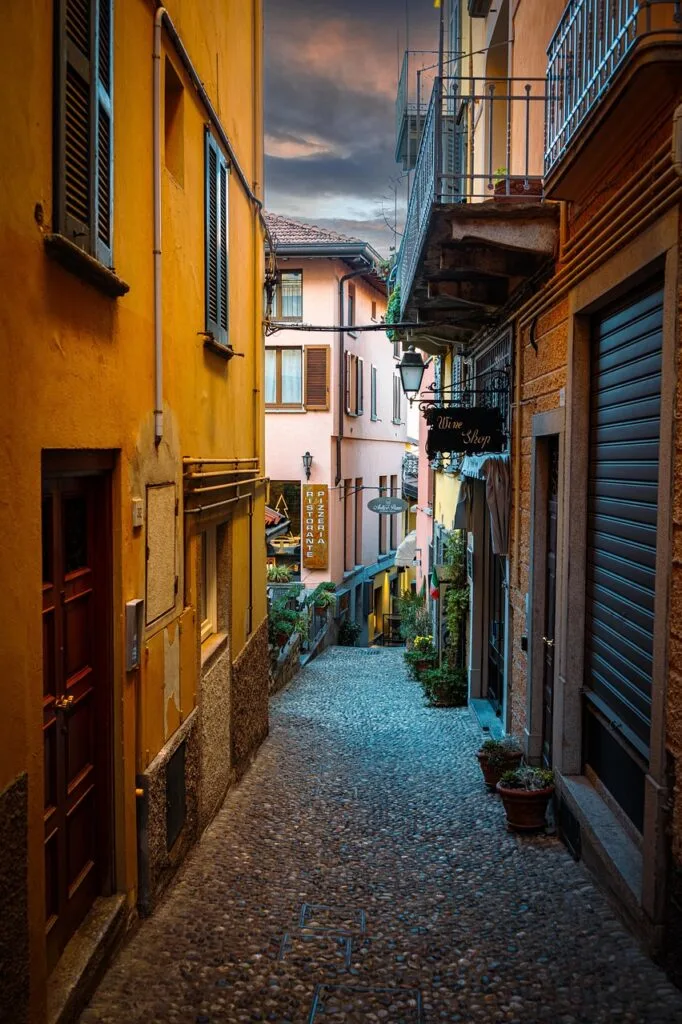
Naples’ historic center (Centro Storico di Napoli) is a living tangle of medieval lanes, baroque churches, royal palaces and bustling squares. A UNESCO World Heritage site, this neighborhood concentrates the city’s millennia of history: Greek and Roman roots, Norman and Angevin periods, the height of the Baroque and enduring popular traditions. Wandering this urban labyrinth is the best way to feel the real Naples—far from tourist clichés—where every stone tells a story, every church hides artistic treasures, and every alley provides a sensory experience: the smell of coffee, the vendors’ calls, tables piled with fruit and children playing football between scooters.
This guide highlights the ten unmissable monuments in the historic center: a curated selection designed to give a complete, structured overview with exact addresses, practical info (hours and prices), detailed descriptions and local tips to make the most of your visit. Whether you have half a day or several days, this Top 10 will help you craft a coherent, discovery-filled route.
We prioritize sites within a fairly compact area so you can walk between them—the best way to appreciate Naples. The churches and chapels display masterpieces of sculpture and painting often intertwined with living popular traditions; the museums hold outstanding archaeological collections from Pompeii and Herculaneum; castles and palaces reveal the city’s political and military past. For something more unusual, guided tours like Naples Sotterranea let you explore the city’s underground layers—ancient aqueducts and caverns laid bare.
Each entry below includes: the full name of the monument, exact address, indicative prices in euros, usual opening hours, an immersive description to convey the place’s spirit, and practical tips (best time to visit, skip-the-line tickets, transport and respectful behaviour). Note that prices and hours may change with seasons, holidays and local events—so we recommend checking official sites or booking online when possible.
For an optimized route, consider starting at a large square (Piazza del Plebiscito) then threading into the lanes of Spaccanapoli, alternating churches, museums and small culinary breaks at historic pizzerias. This guide will help turn those strolls into a rich, structured cultural experience.
1. Cattedrale di Santa Maria Assunta (Duomo di Napoli)
Address: Via Duomo, 147, 80138 Napoli NA
Opening hours: The cathedral is generally open from 08:00 to 19:00. The Cappella del Tesoro (Treasure Chapel) and the Museo del Tesoro di San Gennaro: 09:00–18:00 (may close Sunday afternoons). Check for religious holidays.
Price: Entry to the cathedral: free. Museum and treasure: around €7–€10 depending on temporary exhibitions. Guided tours from about €25 per person.
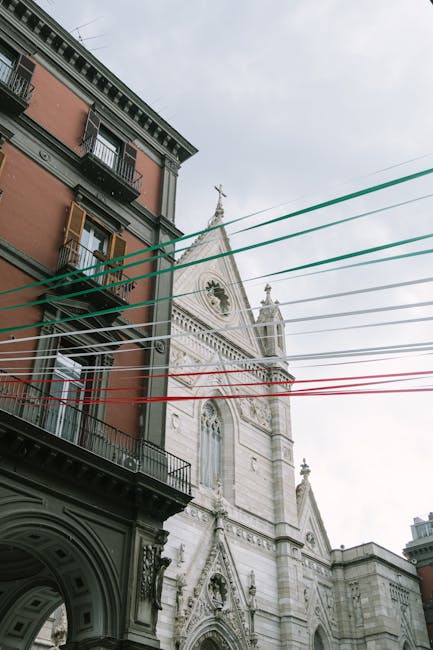
The Cattedrale di Santa Maria Assunta, commonly known as the Duomo di Napoli, is the spiritual heart of the city and the stage for ceremonies dedicated to San Gennaro, the patron saint. Built in the 13th century and reshaped over time, the cathedral mixes Gothic, Baroque and neoclassical elements. Inside, the lofty nave, richly decorated side chapels and the Cappella del Tesoro di San Gennaro—which houses the precious vial of the saint’s blood—are impressive.
The relic of the blood, kept in a vial, is the focus of a liquefaction ceremony three times a year—a major religious, social and media event in Naples. The Duomo’s treasure includes embroidered garments, goldsmith work and precious ex-votos, all expressions of deep popular devotion.
Tips: visit early in the morning to avoid crowds and enjoy the liturgical calm. If you happen to be there during a ceremony, observe silence and any dress codes. For a fuller view, combine the Duomo visit with the Museo del Tesoro (book online if possible) and photograph the baroque facade from Via Duomo.
2. Cappella Sansevero (Chapel of Sansevero)
Address: Via Francesco de Sanctis, 19, 80134 Napoli NA
Opening hours: Generally 09:00–19:00 (last entry around 18:00), closed on some public holidays. Check the official site before you go.
Price: Tickets from around €10 (reduced rates for students and seniors; guided options may be available).
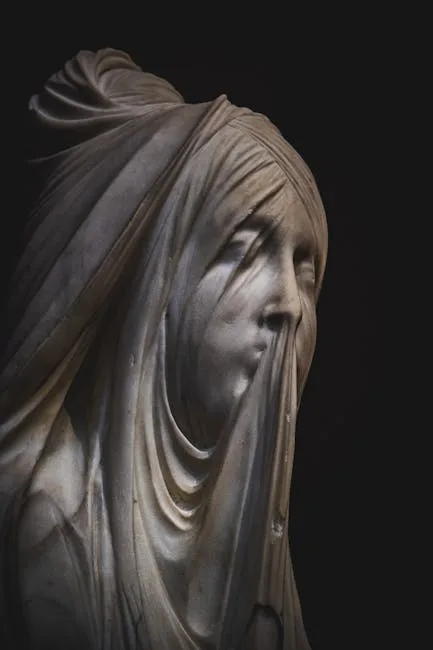
The Cappella Sansevero is one of the artistic jewels of the historic center, famed for baroque sculptures of astonishing finesse. Commissioned in the 18th century by Prince Raimondo di Sangro, the chapel houses masterpieces such as Giuseppe Sanmartino’s “Cristo Velato” (Veiled Christ)—a standout work that mesmerizes visitors with the virtually translucent rendering of the marble veil.
Beyond the Veiled Christ, the chapel contains scientific allegories, anatomical machines and symbolic decorations reflecting the patron’s encyclopedic and often mysterious interests. Because the chapel is small, visitor flow is controlled—so buying a timed ticket is recommended to avoid long waits.
Tips: book your time slot online. Take time to study the marble details and read the sculpture captions to appreciate the mix of art, science and symbolism. Photography may be restricted—follow the guards’ instructions to help preserve the works.
3. Museo Archeologico Nazionale di Napoli (National Archaeological Museum)
Address: Piazza Museo, 19, 80135 Napoli NA
Opening hours: Usually 09:00–19:30 (closed Tuesdays). Extended hours for special events. Always check before you visit.
Price: Standard entry around €12. Reduced rates for youth, seniors and certain cultural card holders. Temporary exhibitions may carry a supplement.
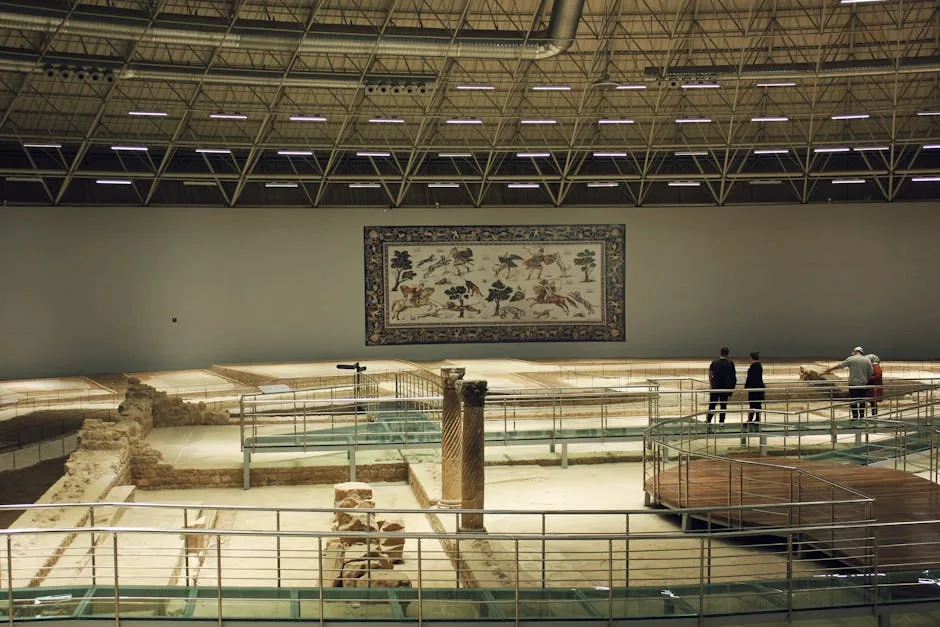
The Museo Archeologico Nazionale di Napoli is one of the world’s most important archaeological museums for the Greco-Roman era. Its exceptional collection includes finds from Pompeii, Herculaneum, Stabiae and other Campanian sites. Mosaics, frescoes, sculptures, household objects and daily-life instruments paint a vivid picture of ancient life.
Highlights include the Alexander Mosaic, frescoes from the House of the Faun in Pompeii and an impressive collection of classical statuary. The museum also displays erotic objects and domestic utensils that reveal private aspects of ancient life, presented with a modern museographic approach.
Tips: allow at least 2–3 hours for a full visit. Audio guides and thematic tours (archaeology, Roman daily life, funerary art) enhance understanding. The Pompeii galleries can be very busy—start there early if you prefer more space and calm.
4. Napoli Sotterranea (Naples Underground)
Address: Typical entrance: Piazza San Gaetano, 68 (access for guided tours)
Opening hours: Regular guided tours, usually from 10:00 to 18:00, several sessions daily. Hours vary by language. Booking highly recommended.
Price: Between €10 and €15 for a standard guided tour; reduced rates for children and students; special or in-depth tours may cost more.
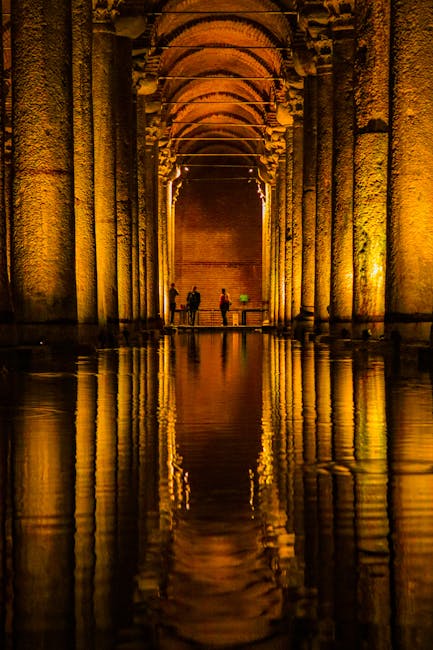
Naples Sotterranea is a fascinating descent beneath the city’s surface, revealing a network of tunnels, cisterns and spaces carved from Greek-Roman times through World War II. These galleries once served as water reservoirs, strategic escape routes and shelters. The visit is immersive: you descend steps, walk through vaulted corridors and discover mosaics, ancient pipes and remnants of former installations.
Tours are guided and designed to convey the underground Naples: passionate guides, historical anecdotes and technical context. The experience shows how the modern city quite literally rests on millennia of engineering.
Tips: wear comfortable closed shoes and bring a light jacket—the air is cool and humid. Tours are not suitable for visitors with reduced mobility. Book in advance, especially in high season; aim for the first morning sessions for a quieter visit.
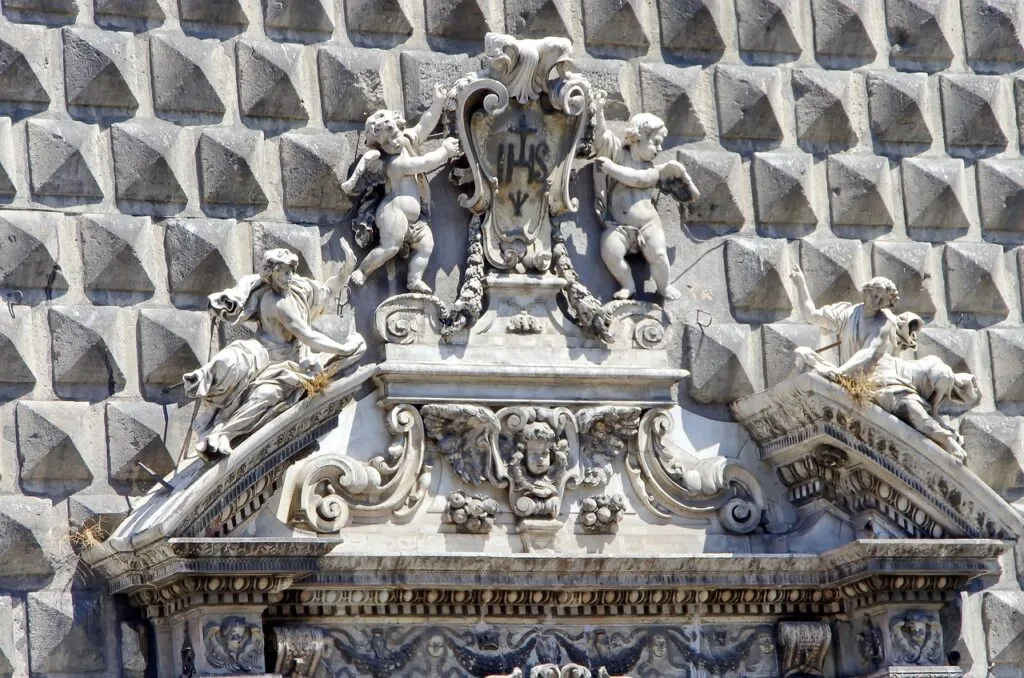
5. Chiesa del Gesù Nuovo and Piazza del Gesù
Address: Piazza del Gesù Nuovo, 2, 80134 Napoli NA (Chiesa del Gesù Nuovo)
Opening hours: The church is generally open 07:00–20:00; service times vary. Related museums/monuments may have different hours.
Price: Church entry: free (donations encouraged). Some areas and guided visits may cost around €3–€5.
The Chiesa del Gesù Nuovo is instantly recognisable by its unusual diamond-cut stone facade—remnants of the original palace incorporated into the church. Inside, the sumptuous Baroque interior features stuccoes, frescoes and richly decorated chapels. The adjacent Piazza del Gesù is one of the vibrant hearts of the Centro Storico, a meeting point for locals and a great place to observe daily life in Naples.
Nearby are the Immacolata obelisk and the Santa Chiara church, offering a contrast between popular devotion and artistic splendor. The neighbourhood buzzes with historic cafés and artisan shops: a perfect stop for a sfogliatella or an espresso while you watch the world go by.
Tips: attend a mass or a sacred music concert if you can to experience the acoustics and spirituality. Explore surrounding alleys to find artisan workshops and enjoy a pastry or coffee in a local bar.
6. Complesso Monumentale di Santa Chiara (Santa Chiara Monumental Complex)
Address: Piazza Santa Chiara, 49, 80134 Napoli NA
Opening hours: The cloister and museum are generally open 09:00–19:00 (closing times may vary). The church may have separate liturgical hours.
Price: Access to the majolica cloister and complex: around €6–€8. Reduced prices for youth and seniors. Combined tickets with other sites may be available.
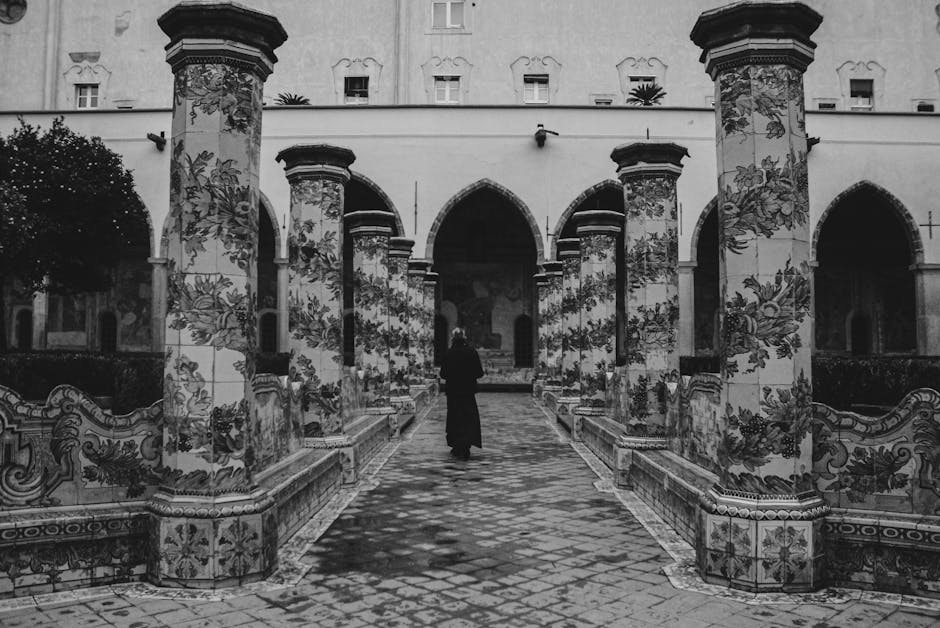
The Complesso di Santa Chiara is a unique architectural ensemble made up of a sober Gothic church, a luminous cloister covered in beautiful colorful majolica tiles (traditional Neapolitan ceramics) and an archaeological area. The four-sided cloister, with benches decorated in glazed tiles, offers an unexpected calm in the middle of the city and provides stunning photographic perspectives.
Post-World War II restoration helped recover the cloister’s original beauty and preserve frescoes and architectural elements. Visitors can also access remains of an ancient site beneath the complex.
Tips: ideal for a meditative break—carry a pocket guide to interpret the tile motifs and learn about monastic life. Guided tours are available for the underground archaeology. A nearby café terrace is perfect for a post-visit refreshment.
7. Palazzo Reale di Napoli (Royal Palace of Naples)
Address: Piazza del Plebiscito, 1, 80132 Napoli NA
Opening hours: The museum and royal apartments are generally open 09:00–20:00 (closing times vary; sometimes closed on Mondays). Check for official events and ceremonies.
Price: Entry to the apartments and museums around €8–€12. Combined access to the theatre, gardens and temporary exhibitions may change the price.
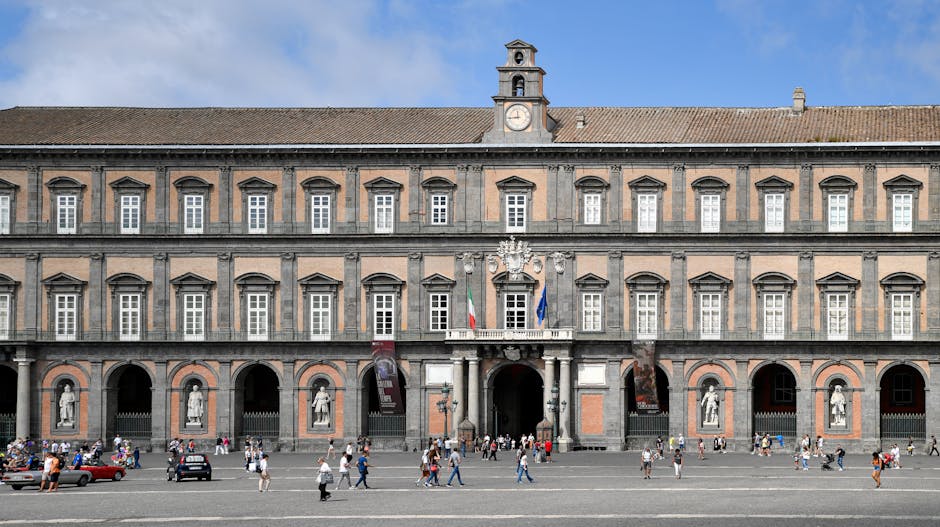
Located on the vast Piazza del Plebiscito, the Palazzo Reale was the residence of Spanish viceroys, then the Bourbons and the royal court. Its interior reflects the splendor of Neapolitan monarchy: richly decorated salons, frescoes, woodwork and art collections. The palace also offers views over the piazza and the waterfront, underlining Naples’ historical power and presence.
A full visit includes the royal apartments, the throne room and often temporary exhibitions focused on Neapolitan history. Outside, Piazza del Plebiscito frequently hosts public events, concerts and cultural happenings, making the area lively at certain times.
Tips: combine the palace visit with a stroll across Piazza del Plebiscito and a stop at historic Caffè Gambrinus (Piazza Trieste e Trento) for a refined espresso. Buy skip-the-line tickets to avoid queues on busy days.
8. Castel Nuovo (Maschio Angioino)
Address: Via Vittorio Emanuele III, 80133 Napoli NA
Opening hours: Museum and interior tours generally 09:00–19:00; hours may vary by season and exhibitions.
Price: Museum/monument entry around €6–€10. Reduced rates for youth and seniors. Some sections or temporary exhibitions may charge separately.
Castel Nuovo, nicknamed Maschio Angioino, is one of Naples’ medieval icons: an imposing fortified castle with ramparts, towers and architecture that evolved across the centuries. Its silhouette dominates the harbour entrance and forms a key part of the city’s historic skyline.
Inside, the municipal museum displays historical objects, weapons and remnants from various eras. The great ceremonial hall (Sala dei Baroni) recalls the castle’s strategic and political significance during dynastic rivalries. From the ramparts, the view across the Gulf of Naples, the port and Vesuvius is spectacular—especially at sunset.
Tips: aim for late afternoon for softer light over the sea and ideal photo opportunities. Combine your visit with a walk along the Lungomare Caracciolo, where cafes and restaurants look out onto the water.

9. Teatro di San Carlo
Address: Via San Carlo, 98, 80132 Napoli NA
Opening hours: Guided tours usually run 09:30–17:00 (hours vary by season and opera/ballet schedule). Evening performances take place at night (check the calendar).
Price: Guided tour about €10. Performance tickets vary widely: from €15 for less desirable seats to €200+ for main boxes; reduced rates sometimes available for youth and subscribers.
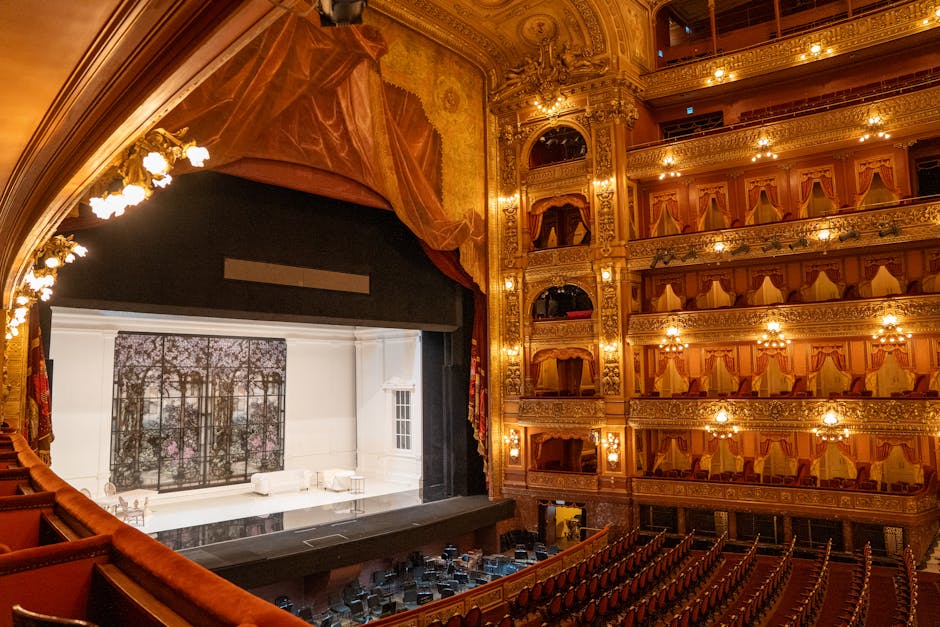
Teatro di San Carlo is the oldest continuously active opera house in Europe (opened in 1737) and remains a major cultural hub. Its gilt-adorned auditorium, luxurious boxes and superb acoustics make it a magical place for opera lovers and theatre historians. In addition to performances, the theatre offers guided tours showing the auditorium, stage, backstage and the venue’s history.
Tips: if your trip lines up with a performance, booking a ticket is an unforgettable Neapolitan experience. For tighter budgets, the guided tour is a fascinating and informative alternative. Reserve ahead for popular shows and dress smartly for evening performances.
10. Castel dell’Ovo and the Lungomare
Address: Via Eldorado, 3, 80132 Napoli NA (Castel dell’Ovo)
Opening hours: Access to the castle and open spaces is often unrestricted; indoor exhibitions and museum spaces typically around 09:00–19:00. Check for guided routes and events.
Price: Gardens and ramparts are generally free. Some indoor exhibitions or guided tours start from €3–€8.
Castel dell’Ovo, perched on a tiny islet linked to the mainland, is arguably the most picturesque of Naples’ castles. Its name (Egg Castle) comes from an old legend that the poet Virgil hid a magical egg to protect the fortress. From the top of its ramparts you get sweeping views of the Gulf of Naples, Vesuvius and the coastline stretching toward Posillipo.
The adjacent Lungomare is one of Italy’s most pleasant urban seaside promenades: a palm-lined walkway with cafes and restaurants where you can enjoy seafood and Neapolitan specialties facing the sea. At night the area fills with strollers, musicians and a romantic atmosphere.
Tips: perfect for a sunset after a day of sightseeing. Try a local pizza or a seafood dish at a seafront restaurant. Photographers will love the castle’s silhouette at dusk and the reflections on the water.

Conclusion
Naples’ historic center offers an exceptional range of monuments and experiences: religious buildings, archaeological museums, medieval castles, popular kitchens and lively streets. This Top 10 compiles sites that represent Naples’ historical and cultural soul, each shedding light on a different facet of the city. From the blood of San Gennaro to the veiled marble Christ, from ancient mosaics to mysterious underground passages, these places invite a full sensory and intellectual immersion.
To make the most of these discoveries, take a paced approach: alternate major visits with tasty breaks, favour morning time slots for museums and chapels and book online when possible for Cappella Sansevero, the Archaeological Museum and Naples Sotterranea. Consider hiring a local guide for part of your stay—a guide will reveal hidden details and provide historical context that enriches the experience.
Respect sacred spaces: some churches require modest clothing and quiet behaviour; it’s also important to follow photography rules. On foot is the most effective way to get around the Centro Storico, but public transport and taxis are useful for linking to more distant sites like the Lungomare or Posillipo.
Finally, leave room for the unexpected: a discovered facade, an artisan shop, a café filled with laughter and lively conversation—these short interludes often become the most cherished memories. Naples is a city that reveals itself slowly through its sounds, smells and encounters. By following this guide you’ll have a solid, rewarding itinerary to explore the essential monuments of the historic center, while keeping space for the wandering that gives this city its unique charm.