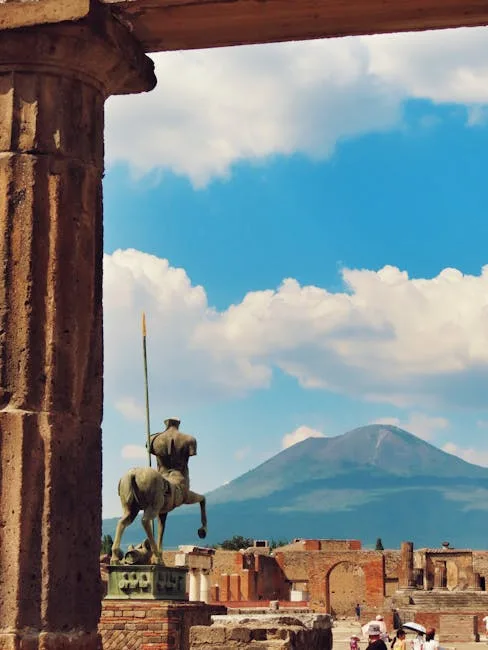
Introduction — Safety and rules for visiting Vesuvius and Pompeii (Context: Naples)
Visiting Vesuvius and Pompeii from Naples is an emotionally powerful blend of history and raw nature: an active volcano’s presence and the hushed streets of a city frozen by the AD 79 eruption. To get the most out of the trip you need to know the rules, safety constraints and local best practices. This guide is aimed at independent travelers, families, small groups and photographers who want to explore these sites confidently while respecting the heritage and current regulations.
The Neapolitan context adds logistical variables: changeable weather, crowded public transport and heavy tourist flows in high season (April–October). Naples is the most convenient gateway to Pompeii (Pompei Scavi) and Vesuvius National Park (Parco Nazionale del Vesuvio). However, the two sites require different preparations: Pompeii needs time to wander ruins and museums, sometimes under an unforgiving sun; Vesuvius means an uphill hike on loose volcanic terrain with exposed sections affected by wind and heat. Knowing the rules — opening hours, official prices, recommended routes, restricted zones — is essential to avoid fines, unnecessary risks and disappointments.
On safety, Italian authorities and site managers enforce precise protocols. At Vesuvius, the Parco Nazionale del Vesuvio and the regional Protezione Civile publish information about volcanic activity levels and evacuation measures; trails can be closed administratively if there’s danger. In Pompeii, the Sovrintendenza Archeologica enforces strict conservation rules: no climbing on structures, photo limits in some indoor spaces, marked visitor flows and checks on large bags. Practical precautions — staying hydrated, wearing appropriate shoes, using sun protection and respecting signage — will make the difference between a gruelling visit and a memorable day.
This comprehensive guide gives you: exact addresses, indicative prices in euros, typical opening hours, immersive descriptions of key spots (the Forum of Pompeii, the House of the Vettii, Vesuvius’s Gran Cono), detailed safety advice (gear, first aid, what to do in alerts), transport recommendations from Naples (Circumvesuviana, local buses, shuttles), and local tips — where to buy water, which restaurants to avoid, how to dodge crowds. Prices and hours often change (seasonality, works, health measures), so check official sites before you go. With this knowledge base you can appreciate the historical and natural power of these places while minimizing risk and respecting rules that protect both visitors and a World Heritage site.
 Click here to book a day trip to Pompeii and Vesuvius
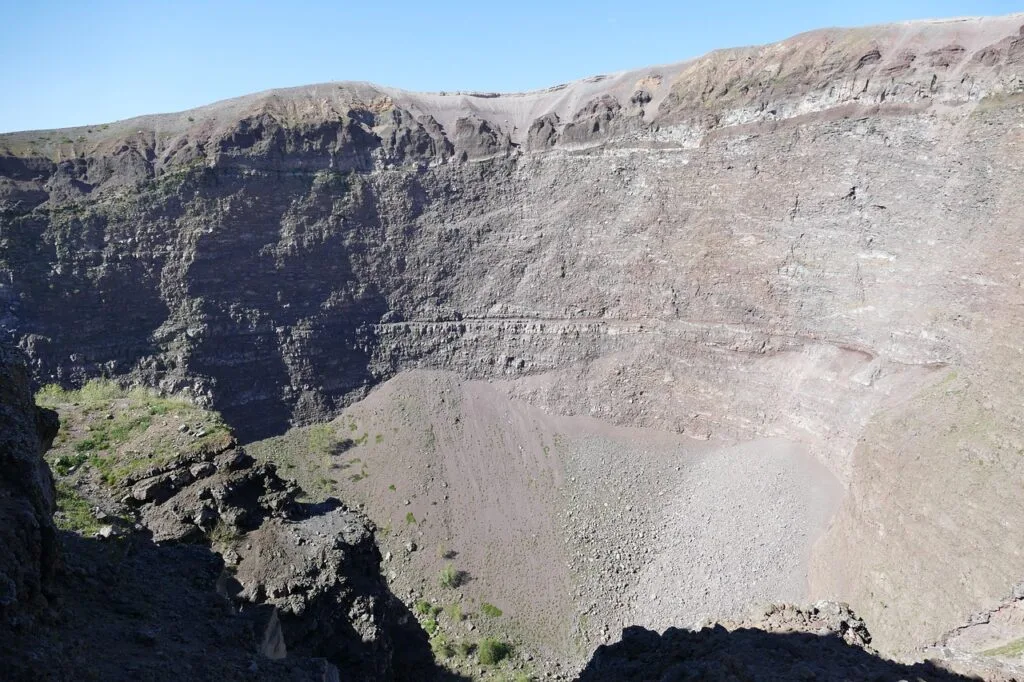
Section 1 — Access, addresses and practical info: getting to Pompeii and Vesuvius from Naples
To plan a safe and efficient visit, start by mastering access details. Below are the main addresses and entry points, plus transport options from Naples (transport hubs, stations and bus stops).
Pompeii – Parco Archeologico di Pompei
Address: Parco Archeologico di Pompei, Via Villa dei Misteri, 80045 Pompei NA, Italy. Main entrances: Porta Marina Superiore (Via Marina) and Porta Anfiteatro (Via Plinio). The closest train stop is Pompei Scavi – Villa dei Misteri (Circumvesuviana), only a few dozen meters from the Porta Marina entrance. The Galeion museum (Museo Antiquarium) and the Forum are inside the archaeological perimeter.
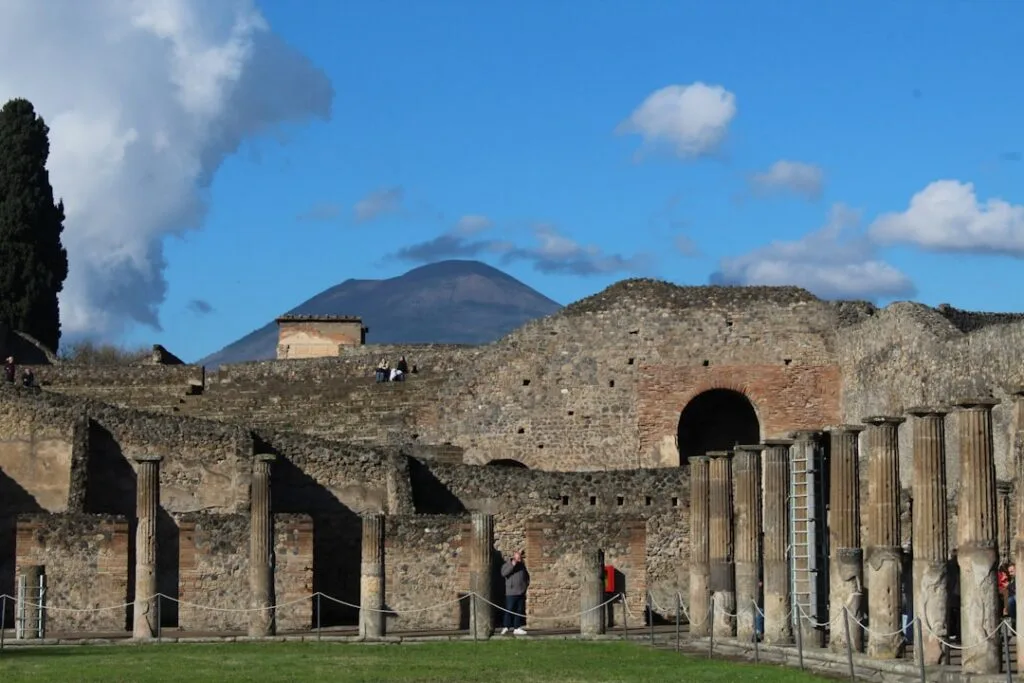
Opening hours: hours vary by season. Typically open from 09:00 to 19:30 (last entry between 17:00–18:00 depending on the period). Closed on 1 January and 25 December. Important: in high season (May–September), aim to arrive early in the morning (or late afternoon if the site is open then) to avoid crowds and heat.
Indicative prices: standard adult ticket ≈ €18.00 (includes access to the ruins and certain integrated museums). Reduced rate for EU youth 18–25 ≈ €2.00; free for children under 18 accompanied by an adult (conditions apply). Combination tickets (Pompeii + region) and paid guided tours are available; online booking is strongly recommended to avoid queues.
Vesuvius – Parco Nazionale del Vesuvio
Address (most used access point): Parco Nazionale del Vesuvio, Via Panoramica del Vesuvio, 80040 Ottaviano NA, Italy. Secondary access points: Ercolano (Corso Resina) and Torre del Greco depending on the chosen route. The official trail to the Gran Cono starts from the main parking on the panoramic road (SP2 / Via Panoramica), with signs indicating the trailheads.
Opening hours: the park is generally accessible from 08:30 to 17:00 in low season and until 18:00–19:00 in high season; closing times also depend on weather conditions. Ticket office hours for the crater trail and shuttle services can vary; private shuttle services (prices vary) run from Ercolano or Torre Annunziata.
Indicative prices: park entry is generally free, but the official ascent to the Gran Cono with guide and access to the crater rim may carry a fee between ≈ €10.00 and €15.00 per person depending on the provider and season. Shuttles from the base of the mountain typically cost between €3.00 and €10.00 one way. For a guided hike, expect roughly €20.00–€40.00 per person.
Practical transport tips: from Naples take the Circumvesuviana line (Sorrento / direction Pompei) to Pompei Scavi – Villa dei Misteri. For Vesuvius you have several options: local buses (EAV) from Ercolano or Pompei, private shuttles from Naples/Port (booking recommended), or a rental car. The panoramic roads are narrow and often one-way; park in official parking areas and avoid unmarked spots.
Click here to book a combined Vesuvius and Pompeii tour
Section 2 — Vesuvius safety: gear, natural hazards and emergency procedures
Vesuvius is still an active volcano: although current activity is generally low, risks exist (gas emissions, rockfall, changeable weather and potential seismic unrest). Safety starts with good personal preparation and following official instructions issued by the Parco Nazionale del Vesuvio and the Protezione Civile.
Recommended gear: closed, grippy hiking shoes (trail or trekking shoes), layered clothing (windbreaker, fleece for the summit), hat and sunglasses, SPF 30+ sunscreen, water (minimum 1.5 L per person in summer), energy snacks, a lightweight dust mask (useful if winds kick up ash), trekking poles for those needing extra support. Avoid sandals and smooth-soled shoes; volcanic slopes are unstable and can be slippery.
Gas hazards and restricted zones: some areas near the crater may contain concentrations of volcanic gases (sulfur dioxide, hydrogen sulfide) particularly dangerous for people with asthma, heart conditions or for very young children. Obey signs and barriers: red zones / signs reading « Divieto di Accesso » are strictly forbidden and entering can result in fines. Authorities close the trail in case of weather alerts, heavy rain, strong winds (>60 km/h) or increased volcanic activity.
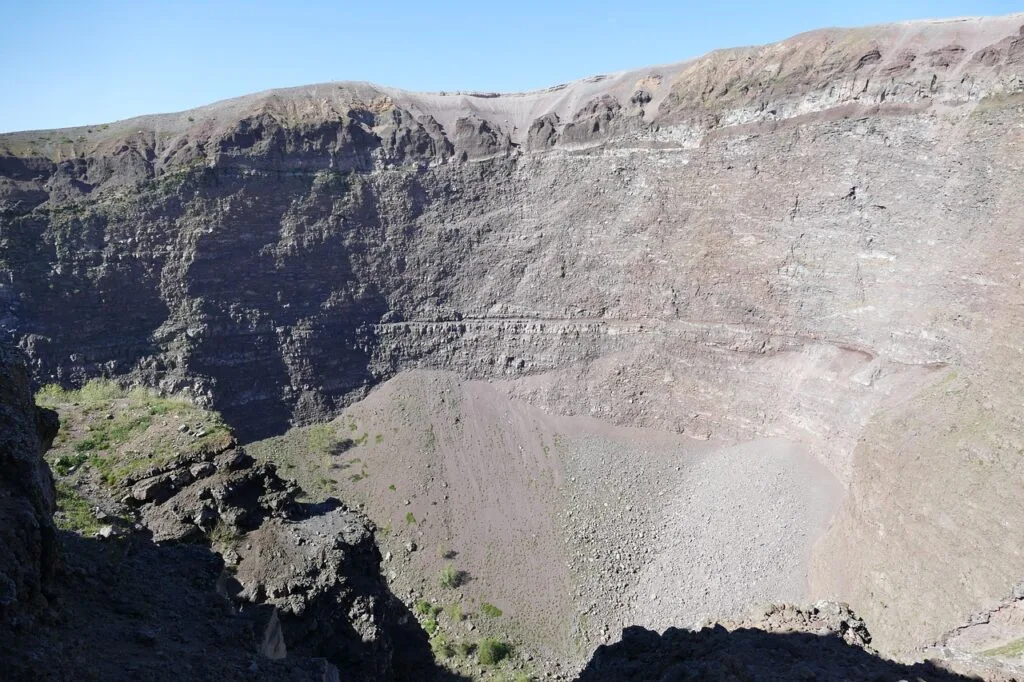
What to do in an alert: follow instructions from the Protezione Civile and park staff. If an evacuation is ordered, head to the designated assembly points (generally toward the panoramic road / lower parking areas) and avoid using your phone while moving so you don’t clog communications. In the event of a sudden explosion or rockfall, move downhill and take shelter behind large rocks if possible, and wait for rescue teams. If someone is injured call 112 (European emergency number) and give your precise location (GPS coordinates if available) and the trail/landmark name (e.g. « Gran Cono, Sentiero CAI from SP2 parking »).
Local practical tips: go early to benefit from more stable weather; check local forecasts (Meteo Campania); ask at the Parco Nazionale del Vesuvio Visitor Center (if open) about the trail condition. Carry a small personal first-aid kit (plasters, disinfectant, painkillers), and bring a power bank for your phone. For guided visits choose licensed guides (richiesta di autorizzazione) — they know safe escape routes and evacuation procedures.
Click here to book an easy Vesuvius visit from Naples

Section 3 — Rules and conservation at Pompeii: site respect, protected areas and museums
Pompeii is one of the most visited and most fragile archaeological sites in the world. The rules in place protect nearly two millennia of remains: mosaics, frescoes, tuff structures and human casts. The Sovrintendenza Archeologica di Pompei enforces a strict framework to preserve this priceless heritage.
Forbidden behaviors: climbing on walls, sitting on mosaics, touching frescoes and plasters, crossing safety ropes. Large bags and suitcases may be refused: there are left-luggage services at the station or drop-off rules depending on the entrance. Eating and drinking inside archaeological rooms is often prohibited — use outdoor rest areas. Throwing objects, graffiti or any act of vandalism can result in criminal charges and heavy fines.
Indoor visits and photography: some houses (for example, the House of the Vettii, the Villa of the Mysteries) have narrow corridors and fragile rooms. Photography is generally allowed with personal devices and no flash; however, tripods, drones and professional lighting require authorization from the Sovrintendenza. Associated museums, such as the Museo Nazionale Pompei (or transferred pieces) or the Antiquarium, have specific rules about photography and handling exhibits.
Addresses and opening hours for key Pompeii points:
- Parco Archeologico di Pompei – Ufficio Informazioni : Via Villa dei Misteri, 80045 Pompei NA — standard information desk at the main entrance.
- Biglietteria Porta Marina : Via Marina, 80045 Pompei NA — main ticket office (online booking strongly recommended).
- Museo Antiquarium (if present) : located inside the archaeological site — hours aligned with the park; some rooms may close for restoration.
Prices and tickets: standard adult ticket ≈ €18.00, reduced ≈ €2.00 (EU youth 18–25), free for children under 18 (conditions apply). « Pompeii + Museum » tickets or special tickets for temporary exhibitions may cost more. It’s recommended to buy skip-the-line tickets via the official Parco Archeologico di Pompei website to secure timed entry and avoid long waits, especially in high season.
Tips to preserve the site and get the most from your visit: follow the indicated visitor route, use certified guides for historical explanations, keep a safe distance from mosaics and frescoes. If you plan to handle old maps or brochures wear gloves for your comfort, but avoid any direct contact with archaeological surfaces. Report any suspicious areas (cracks, falling material) to staff — they have intervention protocols and restorers on site.
Click here to book a guided Pompeii tour with an archaeologist
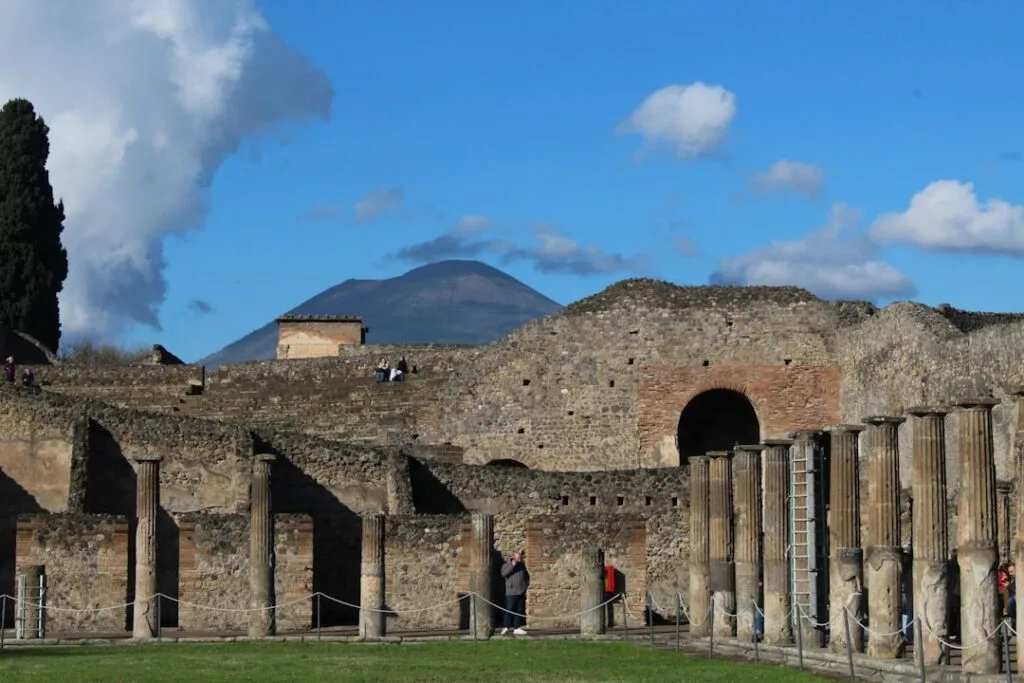
Section 4 — Local practical tips, dining, accommodation and recommended itineraries
Beyond formal rules, a few local tips will help you make the most of a day between Naples, Pompeii and Vesuvius. These include where to eat, where to sleep, and how to structure a safe and enjoyable route accounting for traffic and opening times.
Sample one-day itinerary from Naples: leave early (07:00–08:00) on the Circumvesuviana from Napoli Garibaldi / Piazza Garibaldi to arrive at Pompei Scavi around 08:30–09:00. Spend 3–4 hours in Pompeii, starting at the Forum, then the House of the Vettii, the Villa of the Mysteries (Via Villa dei Misteri) and the theatre. Lunch at a local trattoria near the entrance (see suggestions below). Afterwards, take a bus/shuttle to the Vesuvius parking (30–50 minutes depending on traffic) for a 1–2 hour ascent to the Gran Cono. Return to Naples late afternoon or evening.

Dining suggestions (addresses and tips):
- Trattoria Da Peppino (local example): Via Roma, 25, 80045 Pompei NA — traditional Neapolitan dishes, pizzas and pasta. Main course average ≈ €10–€18. Check opening hours 12:00–15:00, 19:00–23:00.
- Pizzeria La Bettola: Via Sacra, near Porta Marina, 80045 Pompei NA — convenient option for a quick lunch before resuming your visit. Margherita pizza ≈ €6–€10.
- On Vesuvius food is basic: cafes and kiosks near the parking areas (sandwiches ≈ €4–€8, drinks ≈ €2–€4). Always bring enough water with you.
Recommended accommodation by budget:
- Budget: B&Bs and guesthouses in central Pompeii ≈ €50–€80 per night. Example address: Via Roma, 14, 80045 Pompei NA (multiple local options).
- Mid-range: hotels in Ercolano or Torre del Greco, convenient for combining Vesuvius and Pompeii (prices ≈ €80–€140/night).
- Luxury: 4–5 star hotels in Naples (Centro Storico, Piazza Municipio) with private transfers available (prices ≈ €180+).
Tips to avoid crowds and tourist traps: avoid visiting between 11:00 and 15:00 in high season; book your tickets and shuttle buses in advance; be wary of « unofficial guides » who insist on cash payments without receipts; prefer licensed guides and official meeting points. On site, buy water at small supermarkets rather than tourist kiosks (much cheaper). For souvenirs look for certified local products (Vesuvian wines, olive oils, ceramics) and always ask for a receipt.
Medical assistance and services: Pompeii has first-aid posts on site and ambulances coordinated with the Italian Red Cross; Vesuvius has assistance points in the lower parking areas depending on the season. In an emergency dial 112; report your exact location with the entrance name (Pompei Porta Marina, Gran Cono del Vesuvio) to speed up response.
Click here to book a guided Pompeii & Vesuvius tour with lunch
Practical checklist before you go
- Tickets and reservations printed or on your phone (Pompeii ticket + Vesuvius shuttle if needed).
- Closed comfortable shoes, hat, sunscreen, water min. 1.5–2 L.
- ID and travel insurance (check cover for hiking activities).
- Charged phone + external battery, offline maps (Google Maps offline or Maps.me).
- Respect the rules: no climbing, no damage, no drones without authorization.
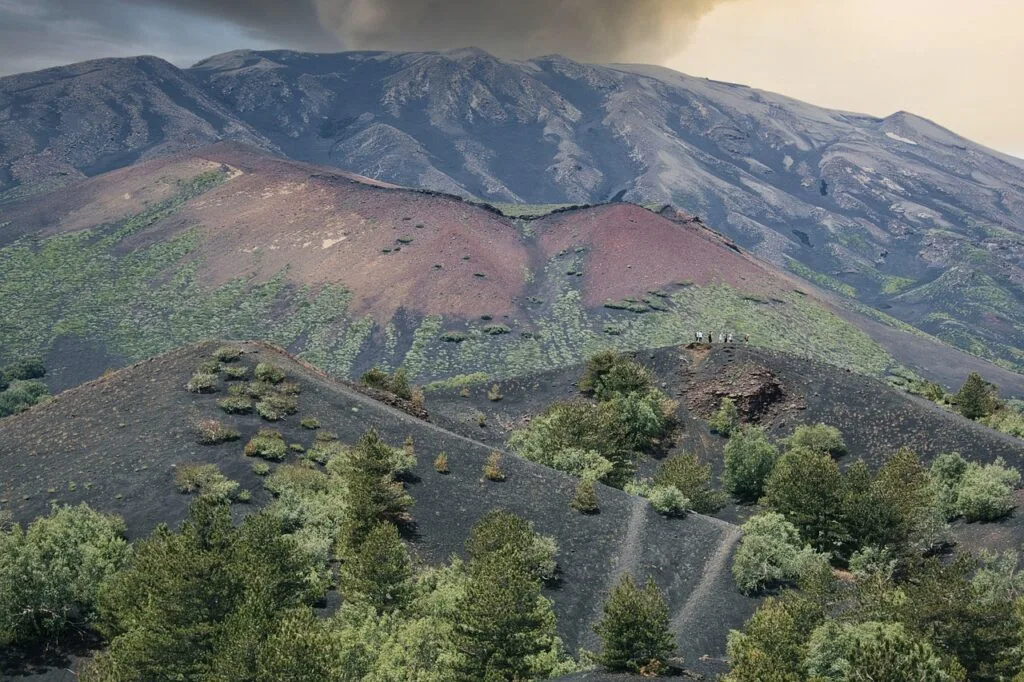
Conclusion — Respect, preparation and awe: enjoying Pompeii and Vesuvius with peace of mind
Visiting Pompeii and Vesuvius from Naples offers a striking contrast between frozen history and geological force. To keep the experience positive and incident-free, preparation, respect for rules and knowledge of safety procedures are key. Knowing the addresses and access points — Parco Archeologico di Pompei, Via Villa dei Misteri, 80045 Pompei NA, and Parco Nazionale del Vesuvio, Via Panoramica del Vesuvio, 80040 Ottaviano NA — helps you build a clear itinerary. Book tickets in advance, arrive early to beat the crowds and heat, and bring the right gear (closed shoes, water, sun protection); these simple actions make a big difference.
The rules and restrictions — no climbing, forbidden zones around the crater, strict conservation measures in Pompeii — exist to protect both visitors and the heritage. Respecting them helps preserve the mosaics of the House of the Vettii, the frescoes of the Villa of the Mysteries and fragile Forum structures. On Vesuvius, following Parco Nazionale and Protezione Civile instructions can literally save lives in an unexpected event. Small local habits — avoiding unlicensed guides, buying water at supermarkets, choosing licensed guides — reduce the risk of scams and improve the quality of your visit.
Finally, take time to be present: walk slowly through Pompeii’s streets, imagine life before the eruption, gaze into the crater from the Gran Cono rim and feel volcanic rock under your shoes. Document your trip but don’t let devices rule the experience: some vistas are better burned into memory than captured on a screen. And above all, check details before you leave: hours and prices change, temporary closures happen for works or safety, and weather strongly affects access to Vesuvius. With this preparation your visit will be enriching, safe and respectful — a lasting immersion in history and nature departing from Naples.
Click here to book the Pompeii tour with ticket, guide and transfer