





Introduction
Naples’ historic center is a living maze where every street corner whispers stories from millennia past. Among these tales, the Roman remains — the theatre and the baths — offer a rare glimpse into everyday life, entertainment, and hygiene in antiquity. Walking the cobbled lanes of the old city, modern visitors effortlessly pass from artisan shops and age-old pizzerias to underground galleries and fragments of marble that have withstood earthquakes, urban remodelling, and the passage of centuries. Often hidden beneath medieval buildings or folded into Christian monuments, these remains reveal a layered Naples where the ancient constantly converses with the present.
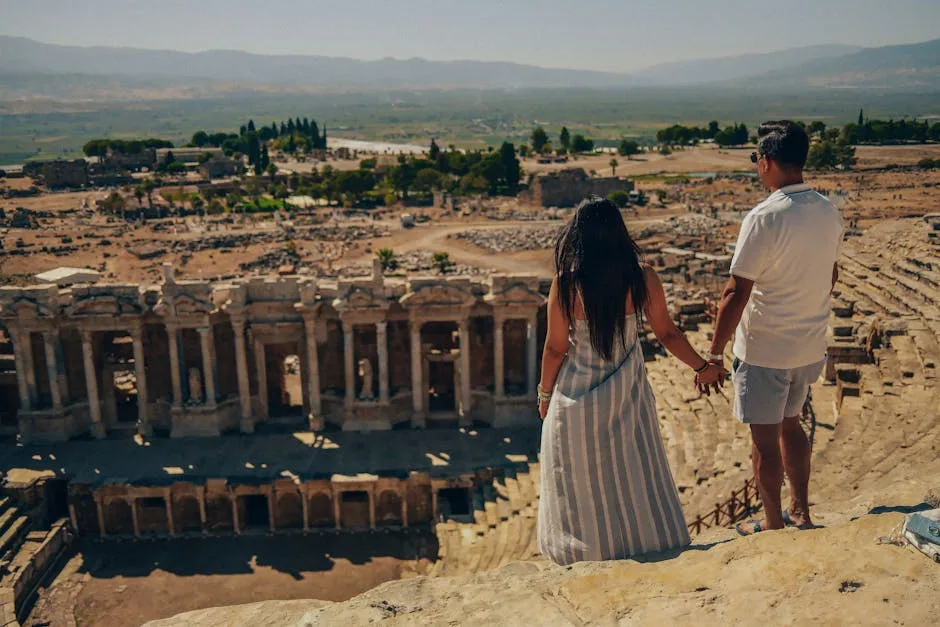
Seeing the Roman theatre and baths in Naples isn’t just about looking at stones; it’s about imagining the theatre packed with toga-clad citizens applauding a tragedy, or sensing the steam of public baths, conversations and treatments in hot and cold rooms. Key sites to explore in the historic core include the Roman theatre revealed beneath the San Lorenzo Maggiore complex and several thermal remains scattered near the Duomo and Via dei Tribunali. Each location tells a complementary story: the theatre speaks of spectacle and urban sociability, while the baths illustrate hygiene, relaxation, and social interaction.
This article takes a deep dive into the Roman remains of Naples’ ancient center. You’ll find full site names, exact addresses, practical info — opening hours and admission fees — plus immersive descriptions to help you recreate the ancient atmosphere. Local tips and suggested routes accompany each section to turn a simple visit into a rich, contextual experience. Whether you’re an amateur archaeologist, a curious traveler, or a photographer hunting historical compositions, this guide will lead you to the stones and baths, show you where to look, and tell you how to get the most out of your time in Roman Naples.
Keep in mind that Naples is a lively city with weather, traffic, and opening times that can vary — especially around historic sites managed by public or private institutions. We provide the most reliable information available at the time of writing, but it’s always wise to check online or call ahead to confirm hours, prices, and any temporary closures. Get ready to dive into a city where antiquity reveals itself on every corner, often where you least expect it.
San Lorenzo Maggiore Roman Theatre: Going Underground Beneath the Basilica
The most accessible Roman theatre in the historic center lies beneath the San Lorenzo Maggiore complex, a medieval and archaeological ensemble at the heart of the Decumani district. Full name: Complesso di San Lorenzo Maggiore – Scavo Archeologico con Teatro Romano. Address: Piazza San Gaetano, 68, 80138 Napoli NA. The site combines a Gothic church, a medieval market, and an underground archaeological zone where you can admire the Roman theatre, ancient paved streets and domestic structures.
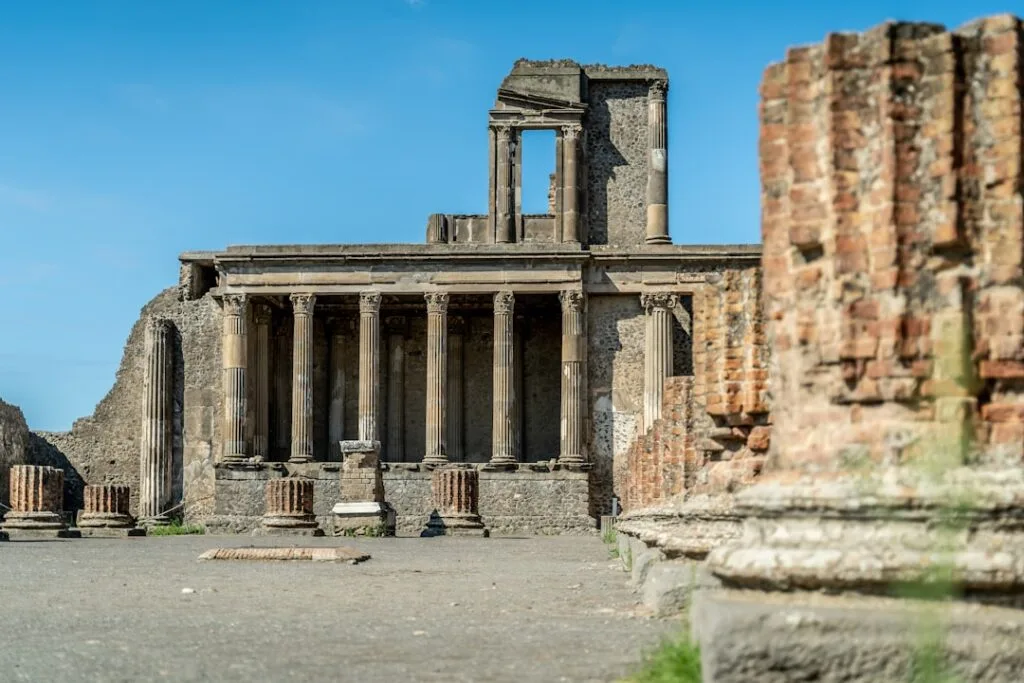
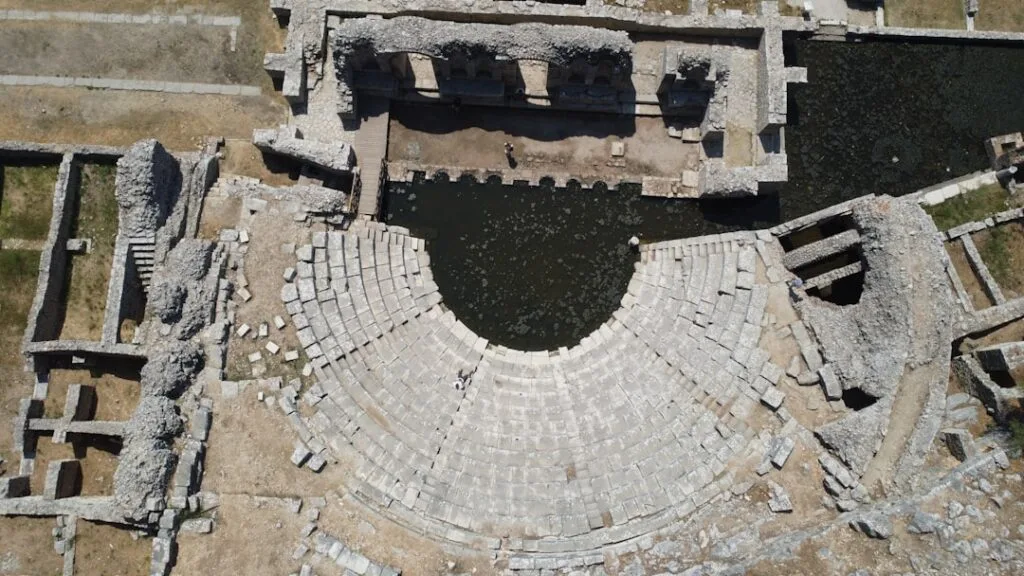
Description: The Roman theatre is partially preserved and revealed through stone-cut seating, masonry blocks and surviving walls and corridors. The stage area and the cavea (seating tiers) clearly show the layout of public entertainment architecture. Layered lighting highlights chronological strata: ancient Rome, medieval reuse, and Christian integration. The underground visit is immersive: you literally descend into the ancient city, walking on catwalks that overlook the remains and offer an architectural and historical reading aided by panels and sometimes audio guides.
Opening hours and admission (indicative, check before you go): generally, the Complesso di San Lorenzo Maggiore is open Tuesday to Sunday from 9:00 to 18:30 (last entry 17:45). Closed on Mondays. Adult ticket roughly €6.00–€8.00; reduced (students, seniors) around €4.00; free entry possible for certain categories. Combined tickets: there are often combo tickets with other archaeological sites in the centre (for example Museo dell’Opera di San Lorenzo or Decumani routes) for about €10.00–€12.00.
How to get there: the nearest metro stations are « Dante » (Line 1) or « Museo » if you’re coming from the National Archaeological Museum and want to walk toward Via San Gregorio Armeno. On foot from the Duomo (Naples Cathedral): about 10–12 minutes through the historic alleyways.
Practical tips:
- Wear comfortable, non-slip shoes: walkways and ancient floors can be uneven and slippery.
- Allow 60 to 90 minutes for a full visit if you want to read panels and enjoy audio or guided explanations.
- Photography is usually allowed without flash; check the desk for rules about images intended for publication.
- If you visit in summer, go early in the morning to avoid heat and crowds in the historic centre.
Roman Baths around the Centre: Agnano, Terme di Fuorigrotta and Urban Remains
Unlike the theatre clearly located under San Lorenzo, Naples’ Roman baths are more scattered: some survive in peripheral sites like Agnano, others are woven into the city centre fabric. Major peripheral site name: Terme Romane di Agnano (Parco Termale di Agnano). Approximate address: Via Agnano agli Astroni, 80125 Napoli NA (entry depends on the park and archaeological sections). You’ll also find small thermal fragments in the city center incorporated into medieval buildings, for example pieces of « Terme di Pozzuoli » and private baths reused in later domus.
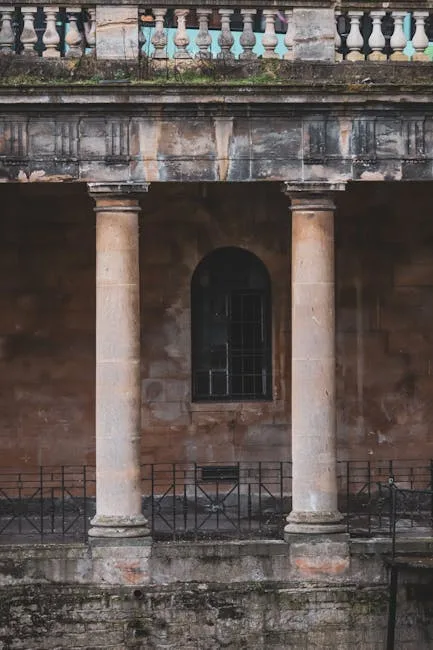
Immersive description: Roman baths were far more than bathing spaces; they were social, medical and sporting centres made up of hot rooms (caldarium), warm rooms (tepidarium) and cold rooms (frigidarium), pools, changing rooms (apodyterium), and hypocaust heating systems. At Agnano, remains show water supply structures, waterproofed walls and traces of paved floors. The arrangement of rooms helps imagine visitor flow, temperature transitions and the unique acoustics of vaulted spaces.
Hours and prices: peripheral archaeological areas like Agnano don’t always operate on a fixed schedule and access is sometimes via guided tours organized by the Soprintendenza or the local park. Indicative guided tour fee: €5.00–€12.00 depending on the organizer; tours by appointment, usually mornings between 9:30 and 13:00 or afternoon visits from 15:00 to 18:00. For thermal remains in the city, access may be included in combined tickets for Decumano archaeological sites.
Practical tips:
- Check with the Naples Tourist Information Office (Ufficio Informazioni Turistiche di Napoli, Piazza Municipio) for up-to-date schedules and guided tours to Agnano and peripheral areas.
- If you’re into thermal architecture, try to spot traces of hypocausts (brick pillars or suspensura holes) and water channels — local guides can point out details often invisible to untrained eyes.
- Combine a visit to the baths with a walk in the Parco dei Campi Flegrei or nearby crater trails to understand the link between geology and thermal resources.
A Walk through the Ancient Centre: Route, Nearby Monuments and Food Stops
To make the most of the Roman remains, follow a walking route that links San Lorenzo Maggiore’s Roman Theatre to the urban baths and other Decumani highlights. Suggested start: Duomo di Napoli (Cathedral of Santa Maria Assunta). Address: Via Duomo, 147, 80138 Napoli NA. From there: Via dei Tribunali, Via San Gregorio Armeno (the nativity-craft street), Complesso di San Lorenzo Maggiore (Piazza San Gaetano, 68), then Piazza Bellini and finally the Forcella area where secondary remains can be found.
Points of interest and descriptions:
- Duomo di Napoli (Cattedrale di Santa Maria Assunta) — address above: don’t miss the Chapel of the Treasure of San Gennaro and the side chapels where you can see the overlay of architectural styles.
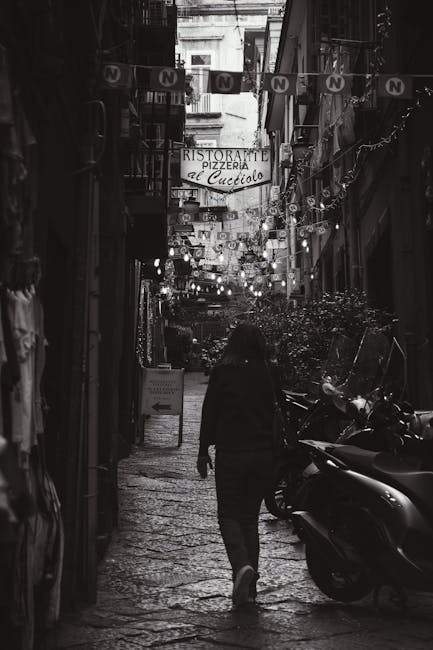
- Via dei Tribunali — a historic artery lined with palazzi, churches and markets, perfect for feeling the Neapolitan buzz and finding historic pizzerias.
- Piazza Bellini — address: Piazza Bellini, 80138 Napoli NA: a small square ringed by Greek and Roman ruins, cafés and bars where you can stop for an espresso after visiting.
- Complesso di San Lorenzo Maggiore — the central stop for the Roman theatre.
Food and practical stops:
- Pizzeria Sorbillo (Via dei Tribunali, 32, 80138 Napoli NA) — price range: pizzas €6.00–€12.00; hours: 12:00–15:30 and 18:30–23:30 (check current times). Perfect for an authentic Neapolitan pizza after an archaeological visit.
- Bar Nilo (Piazza San Gaetano, 67, 80138 Napoli NA) — great for a quick coffee before entering the Complesso di San Lorenzo.
- Antiquarian shops and artisan workshops along Via San Gregorio Armeno for handcrafted souvenirs.

Route tips:
- Start early to beat the heat and tourist groups: 9:00–10:00 is ideal for archaeological sites.
- Plan a mix of indoor visits (theatre, small museums) and café breaks: the city can be tiring but richly rewarding.
- Use local guides or audio guides to fully understand the historical layers visible at each site.
Practical Info, Transport, Safety and Photography Tips
Getting around:
- Metro: Line 1 (Dante, Museo stations) and Line 2 depending on your route. The « Dante » station is very handy for reaching the Decumani and the Complesso di San Lorenzo Maggiore. Single metro ticket: around €1.10 (check current fares).
- Buses and funiculars: several lines serve the centre and the city’s higher neighborhoods.
- On foot: the historic centre is best explored on foot; plan frequent breaks and avoid rush hours if you’re carrying heavy photo gear.
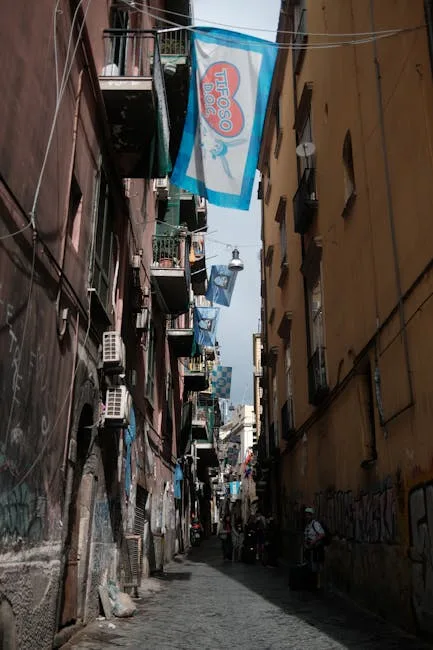
Safety and site respect: Archaeological remains are fragile. Respect barriers, don’t climb on exposed structures and follow instructions from curators and guides. Don’t leave valuables unattended and stay alert in busy tourist spots, especially around Via dei Tribunali and Piazza Bellini.
Photography:
- Lighting: underground sites like San Lorenzo’s theatre are usually artificially lit — prefer a fast lens (f/2.8 or faster) and raise ISO slightly rather than using flash.
- Composition: look for leading lines in the seating, stone textures, and shadow plays in vaulted passages for dramatic shots.
- Gear: a light tripod is useful for long exposures, but check site policies on tripods and professional equipment.
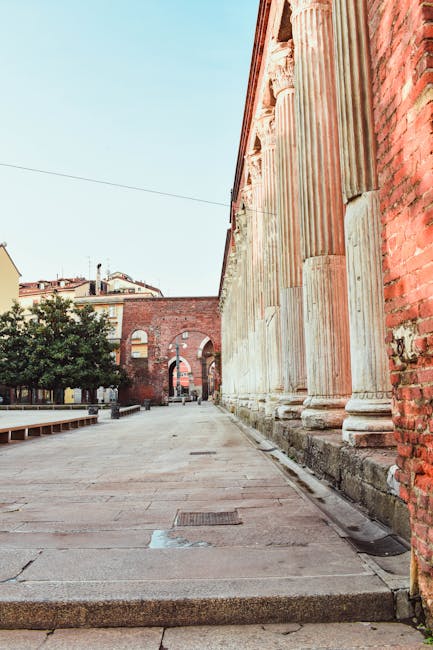
Accessibility: Ancient archaeological sites often include obstacles (steps, uneven ground). The Complesso di San Lorenzo Maggiore offers partial accessibility; check ahead for mobility access and availability of adapted tours.
Final local tips: don’t forget to try a sfogliatella or a babà at a traditional pastry shop along the way, and let curiosity guide you: the best discoveries in Naples are often accidental, behind a doorway or inside a lesser-known church.
Conclusion
The Roman theatre and baths in Naples’ ancient centre offer a unique experience: they aren’t isolated ruins but fragments of a city that has continuously reinvented itself. Visiting the Complesso di San Lorenzo Maggiore, exploring peripheral baths like those at Agnano, or spotting traces of bathing culture woven into the urban fabric invites travelers to mentally reconstruct scenes of daily ancient life — spectators applauding in the cavea, citizens chatting in the frigidarium, artisans working marble and plaster — images that make the visit vivid and memorable.
Planning your visit takes a little preparation: check current opening times and prices (the details here are indicative), wear comfortable shoes, and include tasty breaks that are part of the Neapolitan experience. The historic center is brimming with combo offers and guided tours that help explain the layers of history and give access to areas otherwise closed to the public. Above all, respect the sites and conservation rules so these treasures remain available for future generations.
In short, exploring the Roman theatre and baths in Naples is embracing a palimpsest city — where stone tells stories, every street can lead to an archaeological discovery, and the present feeds on traces of the past. Take your time, listen to local guides, savor the street food, and let yourself be enchanted by a metropolis where antiquity is within reach.