




Introduction: Neapolitan Pizza Secrets Revealed
Naples breathes pizza like a second skin. Here, pizza isn’t just a dish — it’s living heritage, passed down from generation to generation, woven into the alleys, ovens and the hands of the pizzaioli. For the curious traveler, learning the masters’ secrets is a way to get under the skin of a city that shaped one of the world’s most universal culinary icons. In this introduction, I’ll take you behind the smoky doors of historic pizzerias and explain why a simple dough, tomato and mozzarella can inspire such universal wonder.
The Neapolitan secrets begin with the flour. Traditional pizzaioli favor Italian type 00 flour, sometimes blended with durum or semi-whole wheat flours depending on the style. Local water, with its unique mineral balance, affects dough hydration; some masters claim you can’t perfectly reproduce the same pizza outside Naples without replicating the water composition too. The other cornerstone is long fermentation: 24 to 72 hours to let the gluten relax, flavors develop, and to achieve a light, highly aerated crumb — the hallmark of Neapolitan pizza.
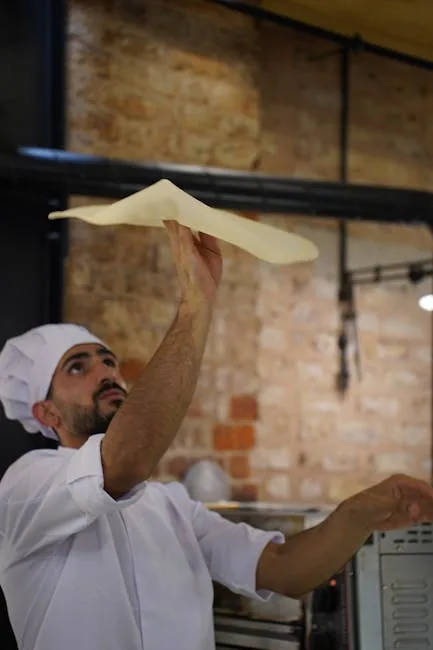
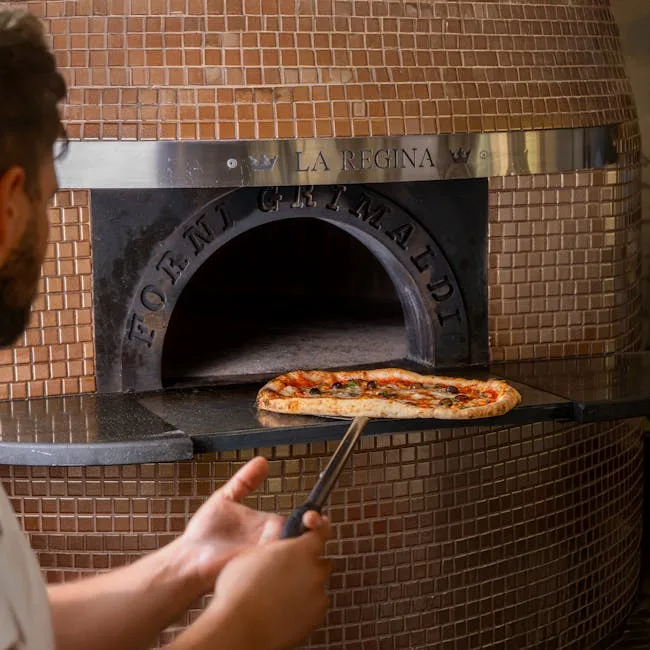
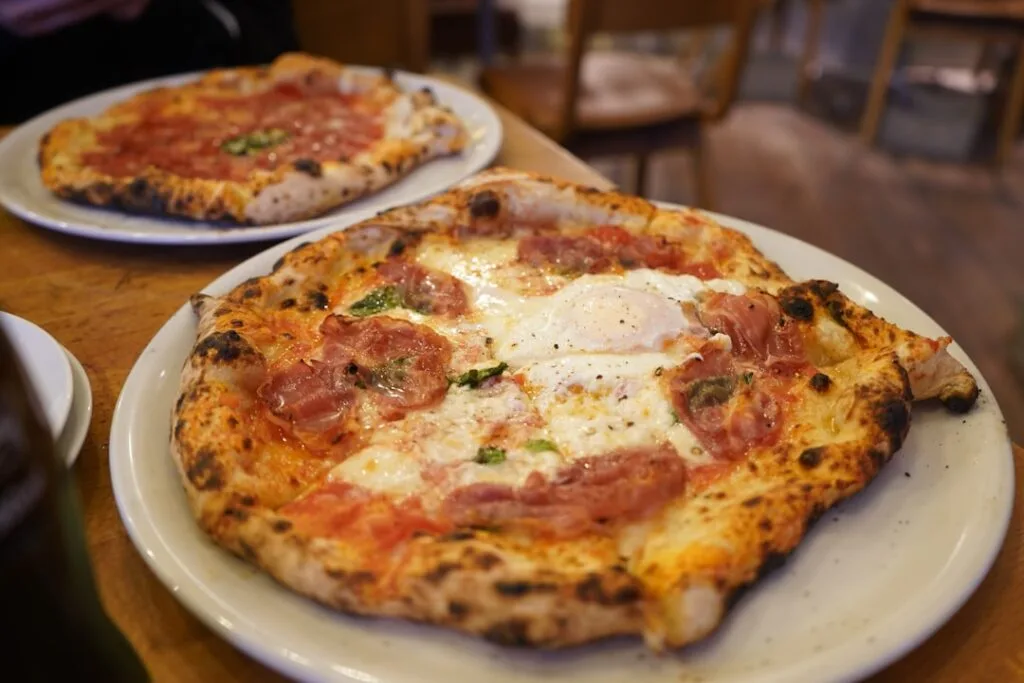
Next comes handling — an art that’s almost choreographic. The pizzaiolo kneads and stretches the dough by hand, never with a rolling pin, sometimes letting it gently fly over the shoulder to preserve air bubbles. Working in a wood-fired oven, with temperatures reaching 430–485 °C in a traditional oven, gives the pizza only 60–90 seconds to cook: the crust should be supple, lightly charred in spots (the cornicione), and the base should stay soft, not crisp like a Roman-style pizza. These techniques, often passed down orally and by watching, are rituals each pizzaiolo refines day after day.
But the secrets aren’t only technical: they’re social and geographical too. Neighborhoods like the Quartieri Spagnoli, Via dei Tribunali, Piazza Dante and Vico Equense have birthed distinct pizza schools, each favoring local ingredients — Mozzarella di Bufala Campana DOP, San Marzano tomatoes from the Agro Sarnese-Nocerino, extra virgin olive oil from the Amalfi coast. The pizzeria is also a meeting place: families, workers and artists gather around tables, talk football and swap stories. The pizzaiolo becomes a confidant and a witness to popular culture.
Finally, this article aims to demystify those secrets by giving you exact addresses, opening hours, price ranges, immersive descriptions and practical tips to experience authentic Neapolitan pizza. Whether you’re hunting down Antica Pizzeria da Michele, the famous Gino Sorbillo, the technical precision of Pizzeria 50 Kalò, or lesser-known family-run spots, I’ll guide you step by step: how to order, when to go, what to taste, and how to respect local ritual. Get ready to smell the smoke, watch the pizzaiolo’s performance, and taste pizzas that tell the story of Naples in every bite.
The Historic Temples: Addresses, Hours and Experiences You Can’t Miss
To understand Neapolitan pizza, you need to go to its sanctuaries. Here are four historic pizzerias where the secrets are written in the hands and the ovens.
Antica Pizzeria da Michele
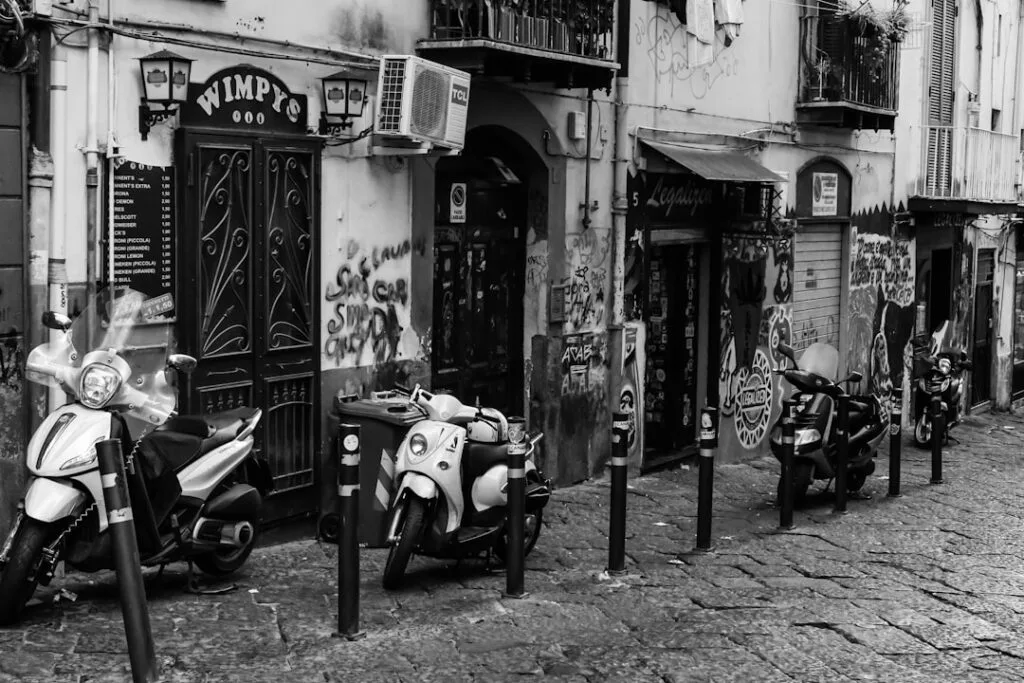
Address: Via Cesare Sersale, 1, 80139 Napoli NA. Opening hours: daily 11:00–23:00 (closing times can vary, check locally). Price guide: Margherita €5–€7, Marinara €4–€6. Description: Founded in 1870, Da Michele is often described as the quintessence of Neapolitan pizza — a minimalist menu, two flagship pizzas (Margherita and Marinara), and an unwavering craft. The interior is narrow and always full; expect to queue, often outside among scooters and delivery riders. The pizzaiolo works at a relentless pace, stretching dough balls in front of you and sliding them into an old wood-fired oven. The dough is light, the cornicione generous and pillowy, with golden charred spots typical of high-temperature baking.
Gino Sorbillo
Address: Via dei Tribunali, 32, 80138 Napoli NA. Opening hours: Tuesday–Sunday 12:00–15:00 and 19:00–00:00, closed Monday (hours subject to change). Prices: Margherita €8–€10, specialty pizzas €10–€15. Description: Gino Sorbillo represents a more contemporary pizzeria, while remaining deeply rooted in Neapolitan tradition. Located on the famous Via dei Tribunali, Sorbillo combines a legendary address with a crowded dining room, youthful energy and creative recipes. Buffalo mozzarella is used judiciously to elevate flavors, and San Marzano tomatoes are front and center. The service is fast and warm. Arrive early or reserve if you can — the queues are legendary, but the wait is worth it.
Pizzeria 50 Kalò di Ciro Salvo
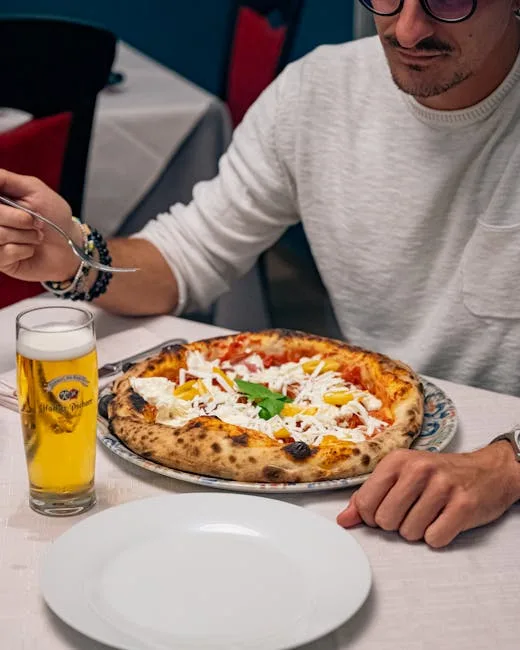
Address: Via Carlo Poerio, 50, 80121 Napoli NA. Opening hours: daily 12:00–15:00 and 19:00–23:00 (hours may vary by season). Prices: Margherita €7–€12, specialty creations €12–€18. Description: 50 Kalò is the laboratory of perfect dough according to Ciro Salvo. Here, the science of fermentation is pushed to the extreme: high hydration, long fermentations and precise temperature control. The result: an almost airy cornicione full of bubbles, and a base that’s soft yet resilient. The setting is more modern and the approach almost neo-culinary. Eating a pizza here is to watch the finesse of a technique honed over years.
Pizzeria Starita
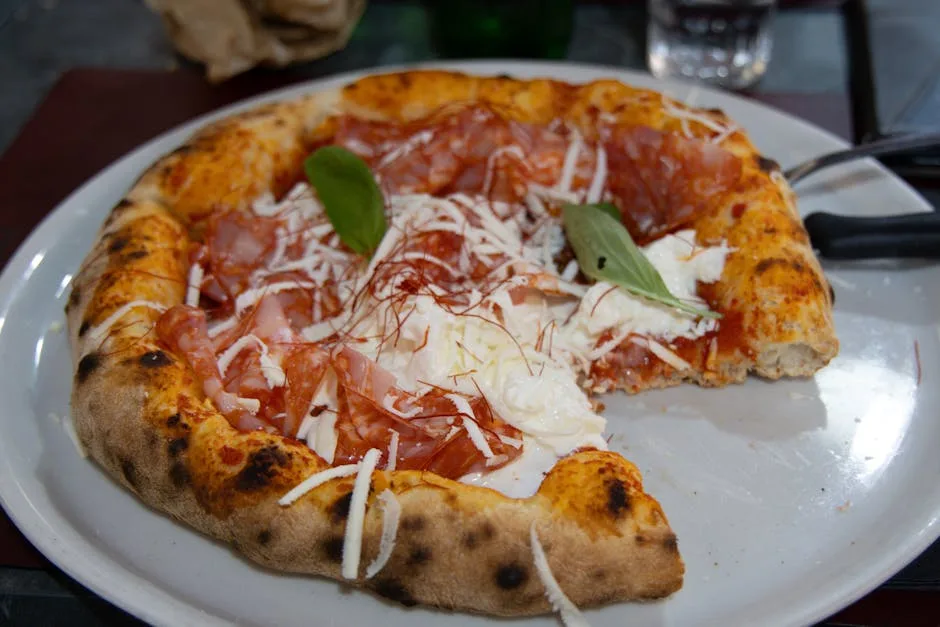
Address: Via Materdei, 27, 80136 Napoli NA. Opening hours: daily 10:00–23:30 (some nights open until midnight). Prices: Margherita €6–€9, specialties €9–€14. Description: Starita, founded in 1901, is an institution that blends tradition and innovation (legendary for the « Montanara fritta » — a fried pizza finished in the oven with sauce and cheese). The cooking area is visible from the dining room and the atmosphere is family-oriented. The fried pizza is a different sensory experience: crunchy outside, soft inside, topped with fragrant tomato sauce and often fresh basil.
The Pizzaiolo’s Secret Techniques: Flour, Water, Fermentation, Kneading and the Oven
The superiority of a Neapolitan pizza rests on a chain of mastered steps. Each has precise tricks — from ingredient choices to the micro-gestures of the hands. Here’s a technical, practical deep dive that’s also useful if you want to try a Neapolitan-style pizza at home.
Flour and hydration: Napolitan pizzaioli mainly use type 00 flour, sometimes blended with a portion of high-strength flour (high W) for better elasticity. Hydration (water/flour ratio) is often between 60% and 75% depending on the method: more water favors an open crumb and a gentler cooking of the center. Practical tip: to start, try 65% hydration and adjust based on the flour and the weather (Naples is humid).
Local water: Naples’ water has a particular mineral composition, which can influence texture. Some local pizzaioli use filtered or mineral water to stabilize quality. For travelers reproducing dough abroad: use low-chlorine, room-temperature water (20–22 °C) for the dough.
Fermentation: The most-cited secret is long fermentation. Pizzaioli favor a slow first fermentation at a controlled temperature, then a shorter second fermentation after shaping. Yeast can be fresh (lievito di birra) or natural sourdough; sourdough gives more complex aromas but requires greater skill. Tip: let the dough rest at least 24 hours in the refrigerator (0–4 °C) to develop flavor.
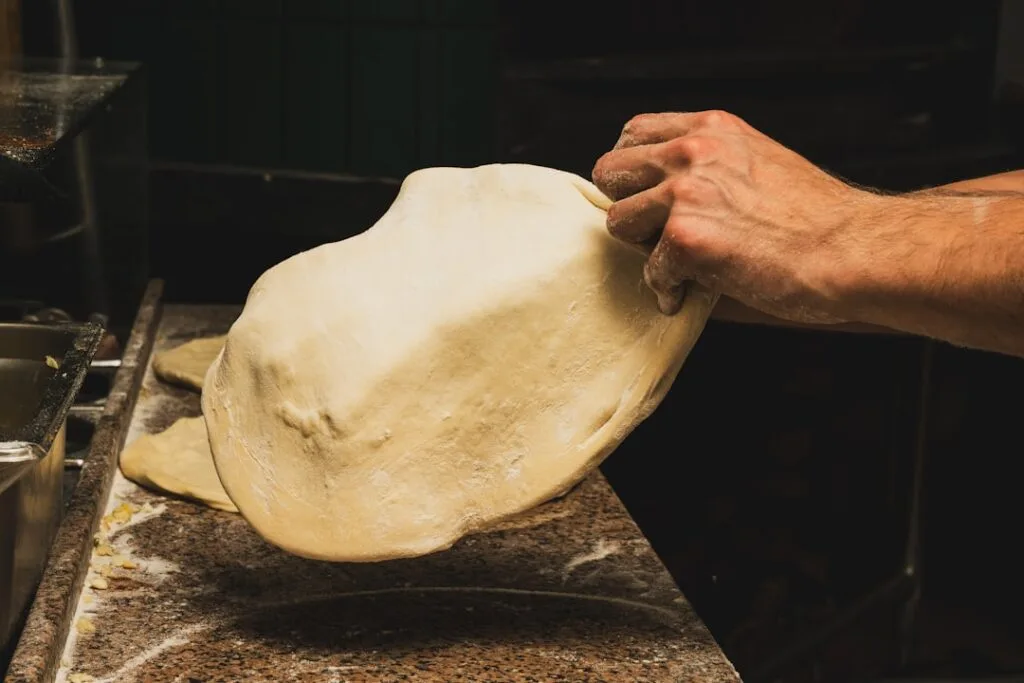
Kneading and shaping: Neapolitan kneading is energetic but bubble-friendly. Many work by hand, stretching the dough without squashing it, and form the cornicione (edge) by quick rotations over the forearm. Avoid a rolling pin that crushes the air bubbles. For classic shaping: form a ball, let the dough relax 20–30 minutes, then gently stretch from the center toward the edges.
Wood-fired baking: Baking in 60–90 seconds at 430–485 °C characterizes Neapolitan pizza. The wood fire (often beech or oak) creates charred spots that are prized. Without a wood oven, a home oven at its maximum temperature with a baking stone and the broiler on can get you closer, but the difference will remain noticeable. Pizzaiolo tip: preheat the stone for 1 hour at maximum temperature and use a peel to turn the pizza so it cooks evenly.
Local Ingredients and Pairings: Tomatoes, Mozzarella, Olive Oil and Basil
Ingredients are the region’s flavor memory. A Neapolitan pizzaiolo knows exactly what tomato, which mozzarella and which olive oil to use for each recipe. Here’s a precise inventory and pairing advice, plus addresses for buying local products in Naples.
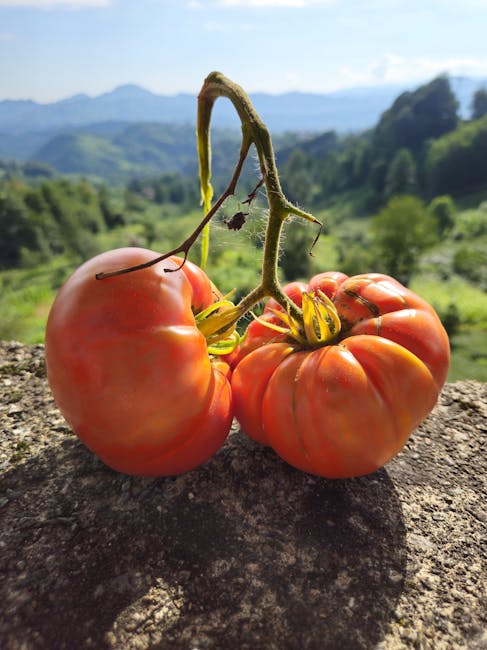
San Marzano tomatoes: These elongated tomatoes, grown in the volcanic plain of Vesuvius, offer sweet flesh and low acidity — ideal for pizza. In Naples, you can find them at Salumeria Vesi (Piazza dei Martiri, 9/10, 80121 Napoli) and at markets like Mercato di Porta Nolana (Piazza Nolana, 80137 Napoli). Price guide: canned San Marzano DOP €3–€6 per can. Tip: lightly crush the tomatoes by hand and season with a drizzle of olive oil before spreading.
Mozzarella di Bufala Campana DOP: A flagship product of Campania, buffalo mozzarella brings creaminess and a milky aroma. Recommended purchases at Caseificio La Cavallerizza (Via Cavallerizza, 31, 80121 Napoli) or Antica Latteria Sorrento for regional varieties. Price: 125 g ball of buffalo mozzarella €2.50–€4.50 depending on quality and DOP. Tip: add mozzarella only after the pizza comes out of the oven if you want a silkier texture, or two minutes before the end for a fully melted effect.
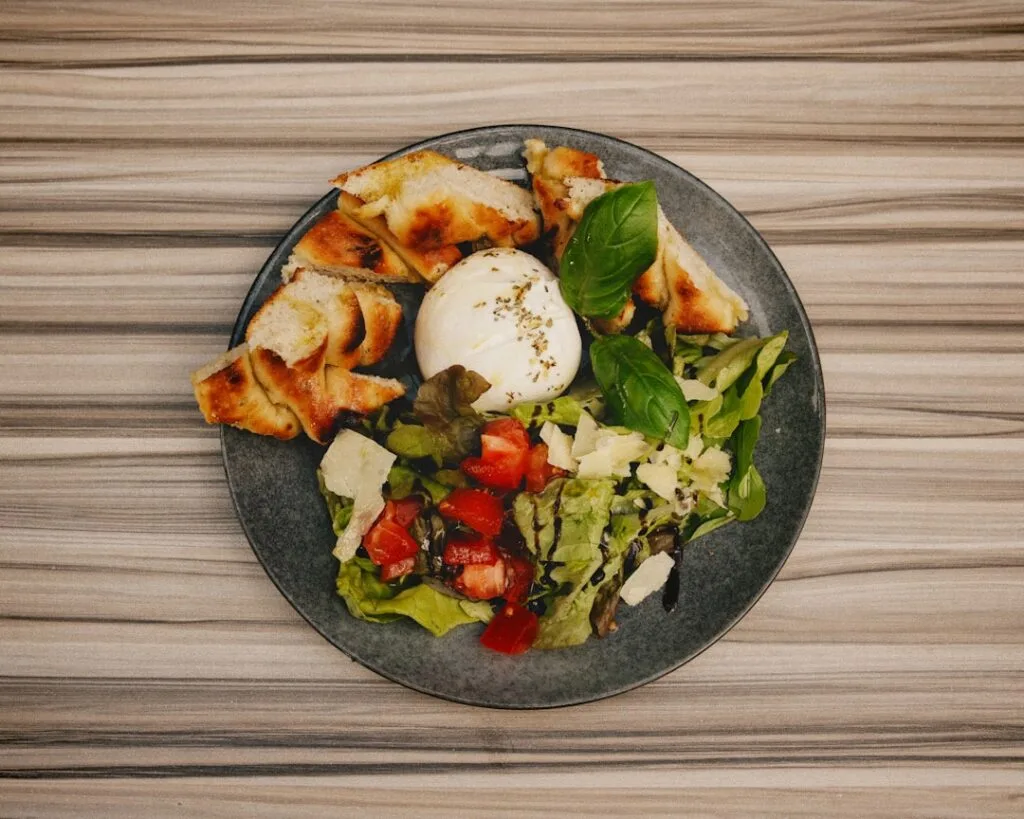
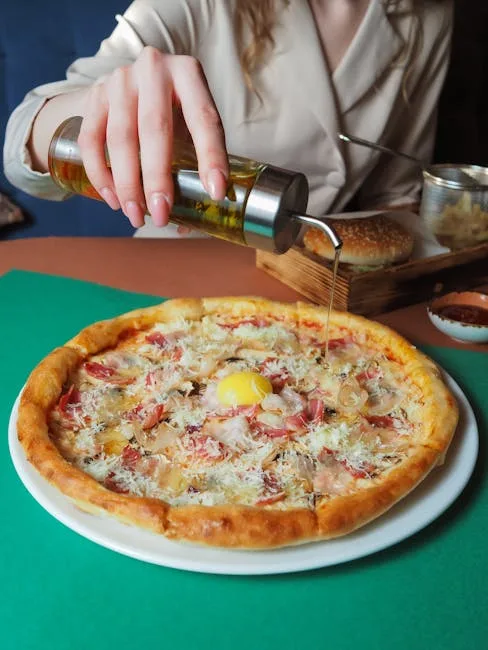
Extra virgin olive oil and basil: Extra virgin olive oil (Amalfi, Cilento regions) is used raw as a finishing touch: a drizzle after baking elevates aroma. Buy quality bottles at Enoteca Belledonne (Via Toledo, 315, 80134 Napoli) or specialty shops in the center. Price: 500 ml bottle €8–€25 depending on origin and vintage. Neapolitan basil, fresh and added right after the oven, provides a vital herbaceous note. Practical tip: don’t drown the pizza in oil — a teaspoon is enough for one pizza.
Local Practical Tips: When to Go, How to Order, Getting Around and Budget
Exploring Neapolitan pizza takes a bit of planning. Here are tried-and-true tips to optimize your visits, avoid disappointment and get the most out of the experience.
When to go and queues: Iconic pizzerias (Da Michele, Sorbillo, Starita) often have lines. Best time slots: lunch between 12:00–13:00 or early dinner 19:00–20:00 to reduce waiting. Avoid 13:30–15:00 and 20:30–22:00 when the rush is at its peak. For Da Michele and Sorbillo, expect 30–90 minutes of waiting during high season. Tip: if you’re solo or a couple, ask for a spot at the counter for faster turnover.
How to order: In Italian, “una Margherita, per favore” is enough. If you want to specify buffalo mozzarella, say “con mozzarella di bufala.” Pizzas are often served whole (30–35 cm diameter): share or ask for a separate plate. Service is quick; bread or antipasti aren’t always served automatically — check your bill. Tipping: in Italy tipping isn’t mandatory; it’s common to leave a few euros (€1–€3) for good service or round up the bill.
Getting around: Naples is easy to explore on foot in the historic center (Spaccanapoli, Via dei Tribunali). To get there: the Campi Flegrei / Linea 2 and Metro Linea 1 serve several points; useful stations include Garibaldi (Stazione Centrale), Toledo, Università. The funiculars (Funicolare Centrale, Funicolare di Montesanto) connect higher neighborhoods. To reach the coast or the Amalfi, the Circumvesuviana (Napoli Porta Nolana station) is handy. Taxis: insist on official fares or use local apps (ItTaxi). Transport budget: metro tickets €1.10 (single ride), funicular €1.10.
Overall budget: For a classic pizza at a historic pizzeria expect €5–€12. Add a drink (€2–€4 for a 33 cl local beer, €1.50–€3 for mineral water) and perhaps an antipasto (€4–€8). A complete meal for two without wine often comes to €20–€40 depending on the venue.
Conclusion: Bringing the Essence of Naples Home
The secrets of Neapolitan pizzaioli are at once simple and profound: the right flour, water that speaks of terroir, controlled fermentation, handling that preserves air and lightness in the dough, and the use of top-quality ingredients — San Marzano, buffalo mozzarella, extra virgin olive oil. Beyond recipes and technique, Neapolitan pizza is a social language, an urban ritual where the pizzeria is a place for sharing, debate and conviviality. When visiting Naples, don’t just taste — watch: the pizzaiolo’s gaze, the rotation of pizzas in the oven, the way the cornicione reveals golden air bubbles in the wood fire.
For travelers, the key is an open mind: accept waiting, speak little and savor a lot. Sit at the counter of a historic pizzeria like Antica Pizzeria da Michele (Via Cesare Sersale, 1, 80139 Napoli NA), taste Gino Sorbillo’s creativity (Via dei Tribunali, 32, 80138 Napoli NA), admire Pizzeria 50 Kalò’s technique (Via Carlo Poerio, 50, 80121 Napoli NA), and let Starita surprise you (Via Materdei, 27, 80136 Napoli NA). Note the addresses, respect opening hours (most open between 10:00–12:00 for lunch and reopen for dinner), set a reasonable budget (a pizza ranges from €4 to €18 depending on the place), and remember that the best pizza is often the one shared at a tight table, with a glass of local beer or wine.
Finally, if you want to bring a piece of Naples home, start with good canned San Marzano tomatoes, a fresh high-quality buffalo mozzarella to consume quickly, and an extra virgin olive oil from Campania. Reproducing Neapolitan pizza at home will require adaptations (a home oven won’t reach 485 °C), but by following the principles — slow fermentation, proper hydration, shaping without a rolling pin — you’ll get close to the essence. And above all, cultivate the Neapolitan spirit: simplicity, generosity and pure indulgence.
Happy culinary travels in Naples — let the city and its pizzaioli teach you their secrets, one slice at a time.