





Introduction
Naples is a city where history, popular faith and everyday celebration are inseparably woven together. Down its ancient alleys, across its monumental squares and in its cafés, Neapolitan cultural life unfolds all year long through festivals, religious processions, concerts, plays and exhibitions. Understanding Naples’s cultural calendar is the key to experiencing the city like a local: picking the right moment to see masterpieces without the crowds, stumbling into an authentic celebration, or timing a visit to a major monument to coincide with a neighborhood event.
This article offers a practical, immersive guide: an overview of the most important festivals — from the Festa di San Gennaro to contemporary events like the Napoli Teatro Festival Italia — plus a detailed inventory of must‑see monuments (Cappella Sansevero, Museo Archeologico Nazionale, Teatro di San Carlo, Duomo di Napoli, Castel dell’Ovo, Castel Nuovo / Maschio Angioino, Piazza del Plebiscito, and more). For each site you’ll find the exact address, typical opening hours, entrance fees in euros, a sensory description and local practical tips (best times to visit, access, skip‑the‑line options, variations during festivals).
Beyond practical details, the aim is to convey atmosphere: imagine the fervor during the San Gennaro miracle, feel music fill the unique acoustics of the Teatro di San Carlo, or watch the Bay of Naples from the walls of Castel dell’Ovo at sunset. Whether you’re planning a weekend break, a multi‑day cultural trip or are simply curious, this guide will help you build a balanced itinerary between lively events and heritage visits while optimizing your time and avoiding common tourist pitfalls.
Finally, practical tips complete each section: how to buy tickets online to avoid queues, which transport to favor (metro, funicular, taxi), where to grab local specialties after a visit (Neapolitan pizza, sfogliatella, cuoppo), and how to show respect during a religious or popular celebration. Enjoy your cultural journey in Naples: get ready to be surprised by the emotion, music, flavors and boundless energy of Italy’s southern capital.
Annual calendar of major Neapolitan festivals
Naples moves to a packed festival beat that mixes ancient religious feasts, contemporary arts festivals and popular celebrations. Planning your stay around these events can turn a standard cultural trip into a vivid, memorable experience. Here’s a month‑by‑month snapshot of the most notable dates.
January – La Befana: The Befana tradition (January 6) is celebrated across several neighborhoods, especially on squares like Piazza Dante and along Via Toledo, with markets, sweet stalls and street performances. Families gather for typical treats, and kids hope to find presents in their stockings.
February – Carnival: Less extravagant than Venice, Naples’s carnival comes alive through local events, masked parades in the historic quarters and children’s shows — a great option for family trips.
March–April – Holy Week (Settimana Santa): Religious processions, particularly around the Duomo di Napoli (Cattedrale di San Gennaro, Via Duomo, 147), draw authentic devotion. Reenacted rites and Stations of the Cross offer insight into local customs.
May – Maggio dei Monumenti: A major cultural event held in May. Many monuments open their doors for special visits, thematic guided tours and temporary exhibitions. It’s a chance to access spaces usually closed to the public.
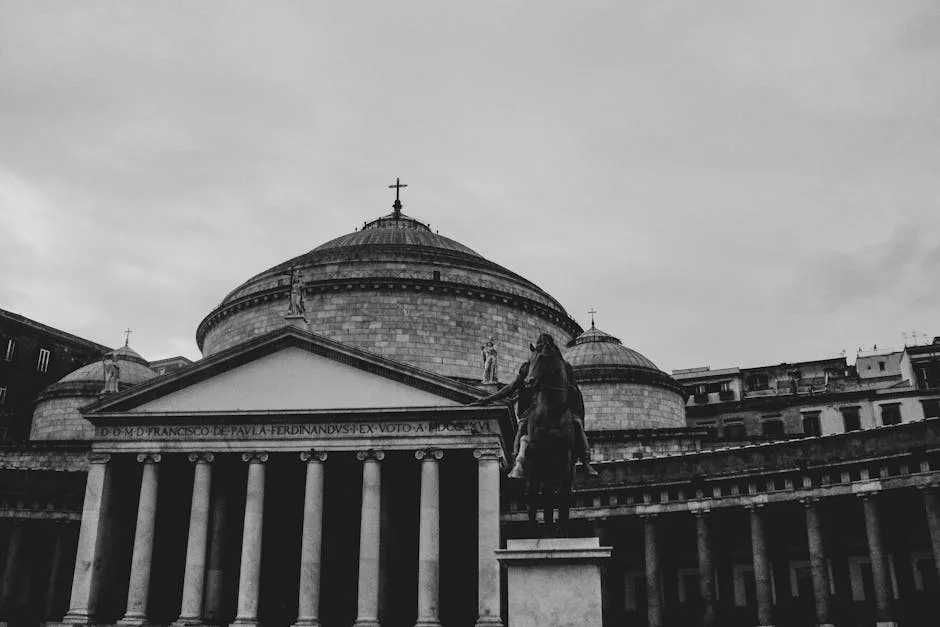
June–July – Napoli Teatro Festival Italia: An international festival of theatre, dance and contemporary music. Events take place in iconic locations such as the Teatro di San Carlo (Via San Carlo, 98) and Piazza del Plebiscito. Programs are often bilingual, with outdoor performances and experimental shows.
September – Festa di San Gennaro: The most emblematic Neapolitan celebration centers on the Duomo (Cattedrale di San Gennaro, Via Duomo, 147). Thousands of faithful gather to witness the liquefaction of San Gennaro’s blood; processions, markets and concerts punctuate the festivities. Another September event is the festa della Madonna di Piedigrotta, featuring traditional songs and processions in the Piedigrotta neighborhood.
October – Napoli Città Libro / Festival della Canzone Napoletana: A celebration of books and traditional music. Concerts of Neapolitan song, exhibitions and author meetings take place in libraries and theatres around the city.
December – Christmas markets and December 8: Christmas markets, festive lights along shopping streets (Spaccanapoli, Via Toledo), religious celebrations and solemn Masses at the Duomo in the run‑up to Christmas. The atmosphere is warm and punctuated by seasonal culinary specialties.
Practical tips: for major religious feasts (San Gennaro, Holy Week) arrive early and expect queues; for arts festivals, book tickets online in advance (student and senior discounts often apply); for outdoor events check the city municipality site (Comune di Napoli) for schedules and weather‑related changes.
Must‑see monuments: practical details, prices and immersive descriptions
Visiting Naples means encountering masterpieces and fortresses, smelling coffee and sea air, hearing voices that tell centuries of history. Here are the landmarks you should include in your itinerary, with precise addresses, typical opening hours, fees, sensory descriptions and tips to make the most of your visit.
Cappella Sansevero (Cappella di Sansevero)
Address: Via Francesco De Sanctis, 19, 80134 Napoli.
Opening hours: Usually 9:00–19:00 (last entry 18:30), closed on some public holidays; check the official site before you go.
Price: Admission around €10 (standard rate), reduced tickets for students/young visitors depending on the season.
Description: Cappella Sansevero is famous for Giuseppe Sanmartino’s « Cristo Velato » (Veiled Christ), a Baroque sculpture of extraordinary finesse: the marble veil looks diaphanous and almost translucent. The chapel’s atmosphere is almost sacred, lit to highlight the marbles, anatomical models (Calchi Anatomici) and frescoes. Each step echoes on the polished floor and the acoustics hush the noise, inviting silence and wonder.
Practical tips: Arrive at opening to avoid school groups; guided tours are helpful to understand the symbolism of the works. Photography may sometimes be restricted — follow the local rules. Buy tickets online for a timed slot to skip the line. For a themed route including the Cappella and other Baroque sites, look for alternative cultural itineraries for curious couples.

Museo Archeologico Nazionale di Napoli (MANN)
Address: Piazza Museo, 19, 80135 Napoli.
Opening hours: Generally 9:00–19:30 (closed Mondays); hours may vary with special exhibitions; check before visiting.
Price: Standard admission around €15 (full price), reduced rates for young people and seniors; combined tickets sometimes available with the archaeological sites of Pompeii/Herculaneum.
Description: The Museo Archeologico Nazionale (MANN) houses one of the world’s richest Greco‑Roman collections: mosaics, frescoes, sculptures and everyday objects recovered from Pompeii and Herculaneum. Walk through dim, climate‑controlled rooms, admire the « Sala del Toro Farnese » with its imposing sculptural group and get lost in the details of ancient daily life. The museum offers a visual and educational journey that helps reconstruct life in the towns buried by Vesuvius.
Practical tips: Allow at least 2–3 hours for a focused visit. Audioguides are recommended; if short on time, prioritize the mosaic rooms and the Egyptian collection. Cloakrooms and lockers are available; avoid bulky bags for easier circulation.
Teatro di San Carlo
Address: Via San Carlo, 98, 80132 Napoli.
Opening hours: The theatre ticket office is usually open 9:00–13:00 and 15:00–19:00; performance times vary with the season’s program.
Price: Guided theatre tours around €10–€12; performance tickets vary (€20–€150 depending on event and seating).
Description: Founded in 1737, the Teatro di San Carlo is the oldest continuously active opera house in Europe. Its horseshoe auditorium, gilded woodwork and red seating create a sumptuous atmosphere. The exceptional acoustics bring you close to the voices and orchestra; even a simple guided tour immerses you in Naples’s musical history, from great Romantic works to contemporary stagings.
Practical tips: If you plan to attend a performance, book several weeks in advance for peak seasons and festivals; for guided visits check for English‑language slots if needed. Arrive at least 30 minutes before a show to enjoy the foyer and historic staircases.
Duomo di Napoli (Cattedrale di San Gennaro)
Address: Via Duomo, 147, 80138 Napoli.
Opening hours: The church is usually open 9:00–17:00 (mass times vary); the Museo del Tesoro di San Gennaro and the Cappella del Tesoro may have separate hours and fees.
Price: Entrance to the cathedral is often free; visiting the treasury and museum costs around €5–€8.
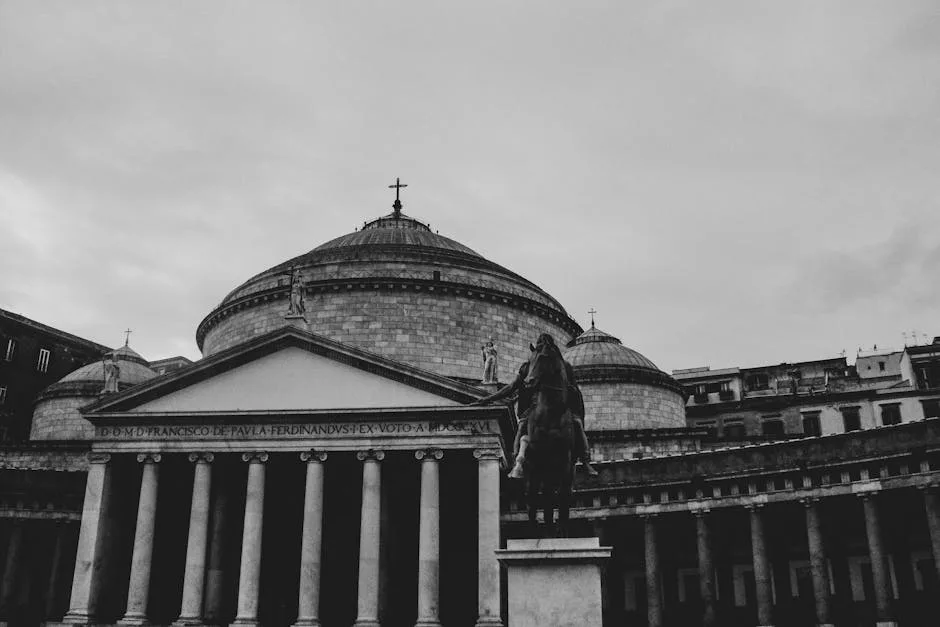
Description: The spiritual center of Naples, the Duomo houses the treasure of San Gennaro and the famed Cappella del Tesoro where the blood liquefaction ceremony takes place. The architecture blends Gothic, Baroque and Neo‑Classical elements. The façade and interior contain richly decorated chapels, marbles and paintings. During the Festa di San Gennaro (September) the square becomes a stage of devotion and fervor.
Practical tips: To witness the San Gennaro celebration, arrive early and follow local media updates. Respect official guidelines during religious ceremonies (dress modestly, keep quiet during rites). The treasure is visited with a separate ticket; if the museum is closed during a festival, check for exceptional opening times.
 Click here to book your guided tour of Cappella Sansevero
Click here to book your ticket for the Museo Archeologico Nazionale
In‑depth focus: castles, squares and seafront walks
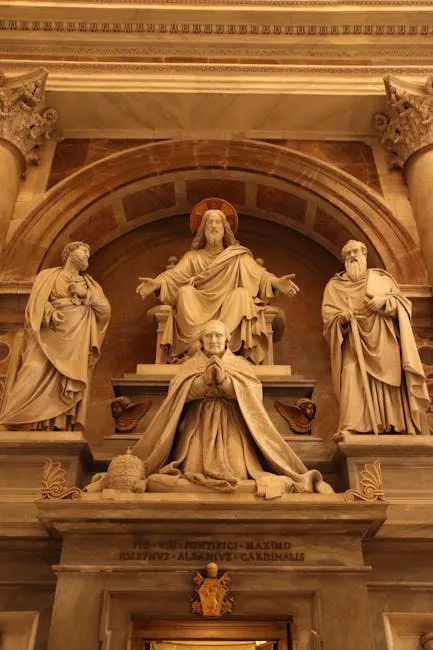
Naples’s military monuments and grand squares show another side of the city: broader, rooted in the sea and shaped by dynastic history. Here are sites to include on a themed walk, with practical info and route tips.
Castel dell’Ovo
Address: Via Eldorado, 3, 80132 Napoli.
Opening hours: Usually open 9:00–19:00 (hours may change with the season).
Price: Access to the promontory and park is often free; certain sections and temporary exhibitions may charge a small fee (approx. €3–€6).
Description: Naples’s oldest castle, perched on the islet of Megaride, offers panoramic views of the gulf, Vesuvius and the waterfront. The stroll along Lungomare Caracciolo that leads to the castle is one of the city’s loveliest: fishermen, cafés and gelato stands enliven the route while salty air and the lap of waves heighten the sensory experience.
Practical tips: Ideal at sunset for unforgettable photos. Combine the visit with a stop at the Borgo Marinari for a seafood lunch in a local trattoria. If you plan to see an indoor exhibition, check ticketing and seasonal opening times.
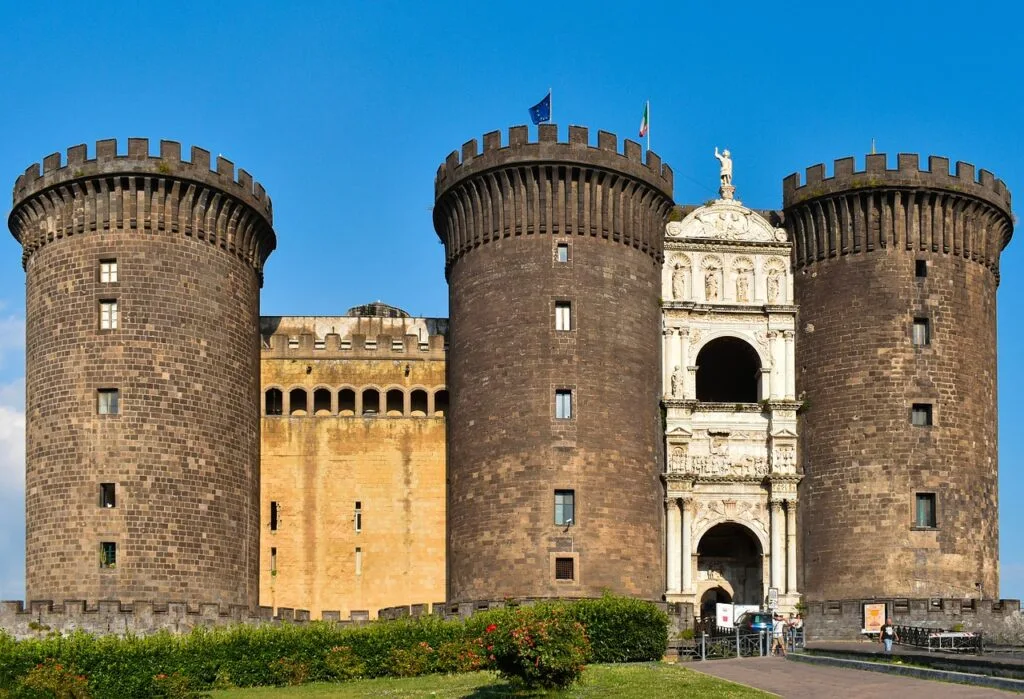
Castel Nuovo (Maschio Angioino) and Piazza Municipio
Address: Piazza Municipio, 80133 Napoli (Castel Nuovo).
Opening hours: Museum and castle usually open 9:00–19:00; some exhibition spaces may vary.
Price: Ticket roughly €6–€8 for museum and towers; reduced rates possible.
Description: This imposing medieval fortress symbolizes Naples’s political identity and stands facing the port and Piazza Municipio. The crenellated towers tell the story of the Angevin and Aragonese eras; the halls host temporary exhibitions and cultural events. Its proximity to Molo Beverello makes it easy to catch connections to Capri and Ischia.
Practical tips: Combine the visit with a climb to the terrace for wide views of the bay. After your visit, walk toward Via Toledo or take the funicular up to Vomero for a panoramic view from higher up the city.
Click here to book a Capri & Blue Grotto excursion
Click here to discover the Amalfi Coast by boat
Itineraries and practical tips for combining festivals and visits
Organizing your stay in Naples requires flexibility: festivals often change museum hours and street openings. Here are sample itineraries and recommendations to help you make the most of events and monuments.
Itinerary 1 – Cultural weekend (2 days)
- Day 1 morning: Museo Archeologico Nazionale (Piazza Museo, 19). Allow 2–3 hours. Price approx. €15.
- Day 1 afternoon: Walk Spaccanapoli, visit the Duomo di Napoli (Via Duomo, 147), and its treasure (€5–€8). Finish at Cappella Sansevero (€10) to see the Veiled Christ in the late afternoon when the light is often better.
- Day 2 morning: Castel Nuovo (Piazza Municipio) then stroll to the Lungomare and Castel dell’Ovo (Via Eldorado, 3) for lunch at the Borgo Marinari.
- Day 2 evening: Book a performance at Teatro di San Carlo (Via San Carlo, 98) or enjoy a concert in Piazza del Plebiscito.
Itinerary 2 – Trip during Napoli Teatro Festival (3 days)
- Attend festival performances scheduled morning/ evening across different venues (Teatro di San Carlo, outdoor spaces). Book tickets in advance.
- Fit in short visits: Cappella Sansevero, Galleria Umberto I, and an afternoon at the MANN.
- Take advantage of festival‑run exhibitions and workshops to meet artists and learn behind‑the‑scenes stories.
General tips :
- Tickets: Buy online for Cappella Sansevero, MANN and Teatro di San Carlo. For festivals, sign up for newsletters to access pre‑sales.
- Transport: Use the metro (Museo station for the MANN, Dante station for the historic center) and funiculars to reach Vomero. Official taxis are white and use a meter; avoid haggling over fares in most cases.
- Safety and behavior: During religious processions, be respectful—dress modestly and stay quiet during rites. Keep an eye on your belongings in crowded tourist areas.
- Food: After visits, treat yourself to a Neapolitan pizza — for example at L’Antica Pizzeria da Michele — and finish with a sfogliatella at a historic pastry shop.
Special events and local experiences not to miss
To truly live Naples, certain local events and experiences offer full immersion: neighborhood processions, markets, street performances and cooking workshops. Here’s a selection of activities that will enrich your stay.
Witness the liquefaction of San Gennaro: This is a moment of tension and emotion: thousands gather at the Duomo (Via Duomo, 147) to see whether the saint’s blood liquefies. Even if you’re not religious, the event demonstrates the power of Neapolitan popular traditions. Arrive early, be prepared to stand, and follow local authorities’ instructions.
Markets and fairs: The Poggioreale market (Via Napoli) and markets in the historic center offer fresh produce, textiles and artisanal souvenirs. Markets are hubs of exchange and social observation: talk with vendors, taste local specialties and bargain politely.
Workshops and masterclasses: During Napoli Teatro Festival and Maggio dei Monumenti, masterclasses, lectures and cooking workshops are often offered. Book ahead—places are limited and highly popular with curious visitors.
Traditional music concerts: Look for evenings of Neapolitan song (Canzone Napoletana) in small clubs and cafés downtown. The intimate atmosphere lets you connect directly with the local musical culture.
Click here to attend a Neapolitan music concert
Click here to join a Neapolitan cooking class

Conclusion
Naples is a city of contrasts and continuities: each monument tells a story of conquest, art and devotion, while the annual calendar reveals a vibrant city always ready to celebrate. By combining visits to major sites like Cappella Sansevero, the Museo Archeologico Nazionale, the Teatro di San Carlo, the Duomo di Napoli and the seaside castles with participation in festivals and popular celebrations, you’ll get a full sensory — visual, sonic and gustatory — experience of the Neapolitan capital.
To prepare your trip, keep these guidelines in mind: book tickets for the most in‑demand sites and shows (Cappella Sansevero, MANN, Teatro di San Carlo); plan your days around festival calendars (Maggio dei Monumenti, Napoli Teatro Festival Italia, Festa di San Gennaro); use local transport and walk to enjoy panoramas and discover hidden treasures in the alleys. Most importantly, leave time for the unexpected: a procession spilling into the street, an impromptu concert in a square, or an invitation to share a coffee — these are the moments that make Naples truly charming.
Whether you come for Baroque art, archaeology, opera or popular devotion, Naples offers a rich cultural calendar and monuments that will stay with you. Plan your visits wisely, respect local customs and, above all, open your senses: Naples’s real treasure is not just in museums, it’s in the salty gulf air, the music drifting from a window and the warmth of encounters around every corner.