





Introduction
In the heart of Naples, where the buzz of scooters mixes with the strong aromas of coffee and pizza, stands Castel Nuovo—known to locals as the Maschio Angioino. Perched at the harbor entrance and facing the broad Piazza Municipio, this medieval fortress is far more than a relic: it’s a living symbol of Naples’ political, military and cultural past. If you’re planning a trip to the Campania capital, a visit to Castel Nuovo helps you unpack centuries of dynasties—Angevins, Aragonese, Bourbons—and admire architecture that blends Romanesque, Gothic and Renaissance influences.
Castel Nuovo isn’t just something to admire from the outside. Push open its heavy medieval doors and you’ll find richly decorated rooms, a civic museum, frescoes, sculptures and a monumental stone triumphal arch that opens onto a spectacular inner courtyard. Its position on the Riviera di Chiaia overlooking the Gulf of Naples also delivers breathtaking views—especially of Vesuvius and the harbor—making every photo postcard-ready. The stairways, machicolations and battlements tell stories of sieges and battles the castle endured, while modern interventions have made the site comfortable and informative for visitors today.
In this practical guide I’ll take you through the details: exact addresses, opening hours, up-to-date prices, the best times to avoid crowds, recommended routes inside, how to get to the castle from Napoli Centrale or the airport, and local tips—where to grab an authentic Neapolitan pizza after your visit, which façade to photograph at sunset, and how to combine the trip with the Royal Palace (Palazzo Reale di Napoli) and the Teatro di San Carlo. The info here is meant to make your visit to the Maschio Angioino smooth, rewarding and memorable—whether you’re a history buff, an amateur photographer, a traveler on a tight schedule or a family out for a stroll.
I’ll also include practical recommendations about tickets (online purchases, combined tickets), guided tour options (typical prices and durations), and small local tips—like the best time to sit on the terraces or the sfogliatella vendor to try afterward. Castel Nuovo is a concentrate of Naples: history, sea views, urban energy and culinary conviviality. Pack comfortable shoes, bring your camera and curiosity—Maschio Angioino has stories to tell in every stone.
History and architecture of Castel Nuovo (Maschio Angioino)
Castel Nuovo was founded in the 13th century: construction began in 1279 under Charles I of Anjou, which gave the fortress its nickname « Maschio Angioino. » Located at Piazza Municipio, 1, 80133 Napoli NA, Italy, the building results from many phases of construction and restoration that absorbed a range of styles. The current complex combines a sturdy medieval core with late Gothic elements and Renaissance touches—most notably the imposing stone triumphal arch at the entrance, which served as a ceremonial backdrop for royal events.
Architecturally, the castle consists of a massive central keep, thick ramparts, machicolations and an inner courtyard (cortile) lined with arcades. The famous Arco Trionfale at the entrance, dating from the 15th century and associated with the Aragonese court, is a highlight for lovers of medieval sculpture. Inside, the rooms of the Museo Civico di Castel Nuovo display movable artworks and sculptural pieces, reused Roman columns and paintings that reveal the layered history of the site.
The castle has been the stage for major events: coronations, sieges, political negotiations and royal residence. Under the Aragonese in the 15th century it took on a central political role; later it served as an arsenal and a prison. 20th-century restoration campaigns stabilized the structure and reorganized spaces for public access while retaining authentic historical character. Today, Maschio Angioino is a living blend of defensive history and modern cultural functions.
Architecture enthusiasts should look out for the details: the mullioned windows, grotesque head sculptures on the corbels, stonemasons’ marks, and the different masonry techniques and materials reused over time. These clues tell the story of the building’s evolution and the craft of its successive builders.

Practical visit info: tickets, opening hours, prices and access
Castel Nuovo houses the Museo Civico, which manages most cultural visits. Exact address for the main entrance: Piazza Municipio, 1, 80133 Napoli NA, Italy. Typical opening hours (subject to seasonal changes and public holidays): Tuesday to Sunday from 9:00 to 19:00, closed on Mondays. Ticket offices usually close 30 to 45 minutes before the official closing time. It’s strongly recommended to double-check hours on the official website or with the Naples tourist office the day before your visit.
Indicative prices (2024 — verify at purchase): full ticket for the Museo Civico di Castel Nuovo €6, reduced (students, seniors, EU citizens 18–25) €4. For a guided tour in French or English expect to pay around €10–€15 per person extra, or a flat fee for a private group (often €60–€100 depending on group size and language). Some combined tickets include entry to the Palazzo Reale di Napoli (Piazza del Plebiscito, 1) and typically cost between €10 and €15 for a museum/day pass. Children under 6 are often admitted free.
How to get there: the nearest metro stop is Municipio (Line 1) — exit at Piazza Municipio. From Napoli Centrale (Piazza Garibaldi) take Metro Line 1 toward Piscinola and get off at Municipio (about two stops) or hop in a taxi (10–15 minutes depending on traffic). Urban buses (L1, C14) also serve Piazza Municipio. If you arrive by ferry or cruise, the port is only a few minutes’ walk away.
Ticket-buying tips: buy online to skip queues on weekends and during high season (April–September). Arrive early—opening at 9:00 often gives you the chance to explore the courtyard and terraces in soft light with fewer people. If it’s very busy, consider a guided tour—the guide will organize the route and help you avoid waiting in interpretation areas.
What to see inside and around: rooms, museums and nearby sites
Inside Castel Nuovo, several highlights deserve a close look. The Museo Civico lays out chronological exhibition rooms: an armory, decorated halls with frescoes and paintings, and a collection of medieval and Renaissance works. The Sala dei Baroni (Hall of the Barons) is famed for its history as a place of trials and political intrigue—take time to admire its vaults and restored decorations. You’ll also find Roman remains and impressive marble sculptures displayed in thoughtfully curated museum spaces.
Don’t miss the terraces and battlement walkways: from the crenellations you get spectacular views of the Gulf of Naples and Vesuvius, especially at sunrise or sunset. These viewpoints are ideal for photos and help you understand the castle’s strategic position relative to the port. From the ramparts you can also glimpse the Royal Palace and the wide Piazza del Plebiscito nearby.
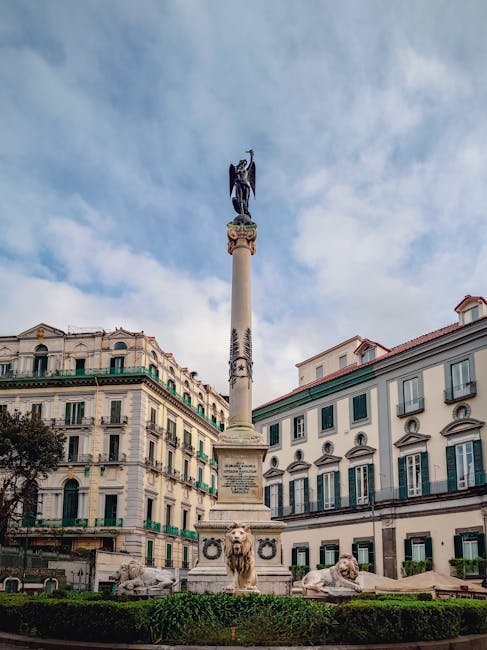
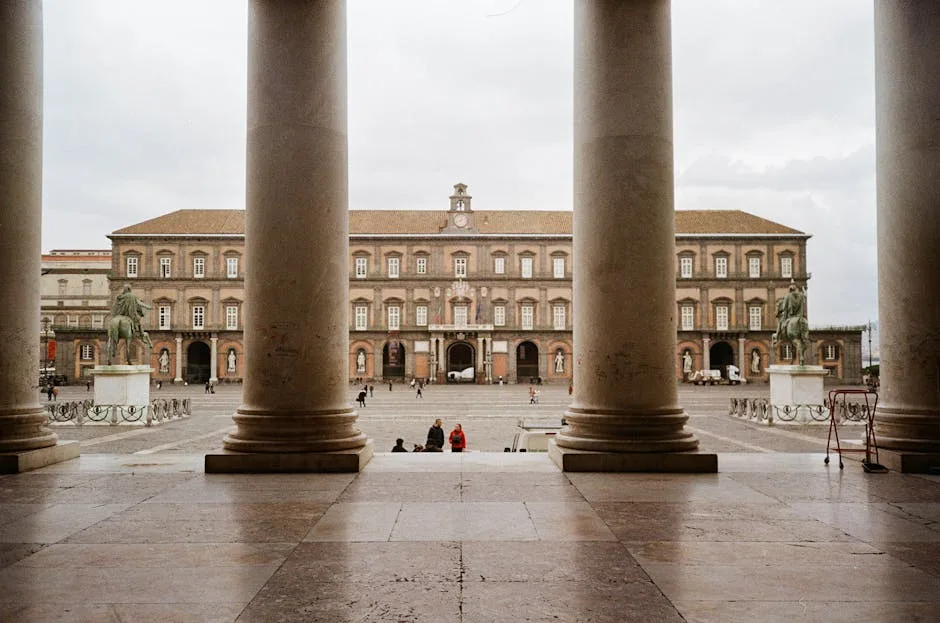
Around Castel Nuovo you’ll find several complementary sites within easy walking distance: the Palazzo Reale di Napoli (Piazza del Plebiscito, 1 — typically open 9:00–19:00, tickets around €10), the Teatro di San Carlo (Via San Carlo, 98 — guided tours and ticketing vary, impressive façade), and the Galleria Umberto I (Via San Carlo) for a coffee under an elegant glass roof. For a tasty stop, the legendary Pizzeria Brandi (Salita S. Anna di Palazzo, 1/2) claims to have invented the Margherita—expect about €6–€12 for a traditional pizza.
If you love museums, combine a visit to Maschio Angioino with the Museo Archeologico Nazionale di Napoli (Piazza Museo, 19), home to one of the world’s most important collections of Roman and Pompeian antiquities. These sites connect nicely and are walkable or a short taxi/public transport ride apart.

Local tips, safety and suggested routes
To make the most of Maschio Angioino and its surroundings, here are some tips from local experience. First, aim for off-peak hours: 9:00–11:00 or 16:00–18:00 if visiting in high season. Summer afternoons can be very hot and the light harsh for photography; late afternoon brings warm, golden tones on the stone.
Transport and parking: avoid driving if you can—the area is often congested. If you do come by car, the most convenient options are the parking on Via Marina or paid lots around Piazza Municipio, with rates around €2–€3 per hour depending on the area. Taxis are plentiful along the seafront; agree an approximate fare or ask to use the meter. For a local experience, take the metro to Municipio (Line 1) or walk from Toledo station to enjoy a scenic stroll.
Safety: Naples is vibrant and generally safe for tourists, but like any large city be aware of petty crime (pickpockets) in tourist areas and on public transport. Keep valuables in an inner pocket or a zipped bag and don’t leave bags or cameras unattended while you grab a coffee on a terrace.
Half-day suggested itinerary: start at Castel Nuovo at 9:00, explore the rooms and ramparts (1.5–2 hours), then head to Piazza del Plebiscito to visit the Palazzo Reale. Lunch at Pizzeria Brandi or in the Galleria Umberto I. In the afternoon wander down Spaccanapoli to immerse yourself in the historic center, or head to Lungomare Caracciolo for a seaside walk to Castel dell’Ovo.
Accessibility: parts of the castle include stairs and limited access for visitors with reduced mobility. Check with the ticket office for adapted routes, lifts or assistance. To book a guided tour in French, contact the Naples tourist office or certified local guides: reserve in advance, especially in high season.

Conclusion
Castel Nuovo, or Maschio Angioino, is a must-see when you visit Naples. Beyond its historical and strategic role, it offers a multi-sensory experience: the solidity of medieval stone, refined interior decorations, sea views across the gulf to Vesuvius, and proximity to other Neapolitan treasures like the Palazzo Reale and the Teatro di San Carlo. This practical guide gave you the essentials to prepare your visit: the exact address (Piazza Municipio, 1, 80133 Napoli NA), usual opening hours (Tuesday–Sunday 9:00–19:00), indicative prices (full ticket ~€6, reduced ~€4), plus logistical and culinary recommendations to round out your plans.
Planning your visit around opening hours and favoring online tickets will save time; a guided tour will deepen your understanding and highlight details often missed by hurried visitors. Don’t forget to schedule breaks: the seafront and historic cafés nearby let you combine heritage, relaxation and gastronomy. Walking the ramparts at sunset or discovering the Sala dei Baroni with a guide are moments that stay with travelers long after they leave.
Finally, take time to wander the neighborhood after your visit: Naples is also discovered through its lively streets, craft shops, markets and pizzerias. Maschio Angioino is an ideal starting point for a wider itinerary through the city, from the historic center to the lungomare. Whether you’re a history enthusiast, photographer, foodie or family traveler, Castel Nuovo is welcoming, educational and inspiring. Allow Naples some time to surprise you—here every stone has a story, and every view brings an emotion.