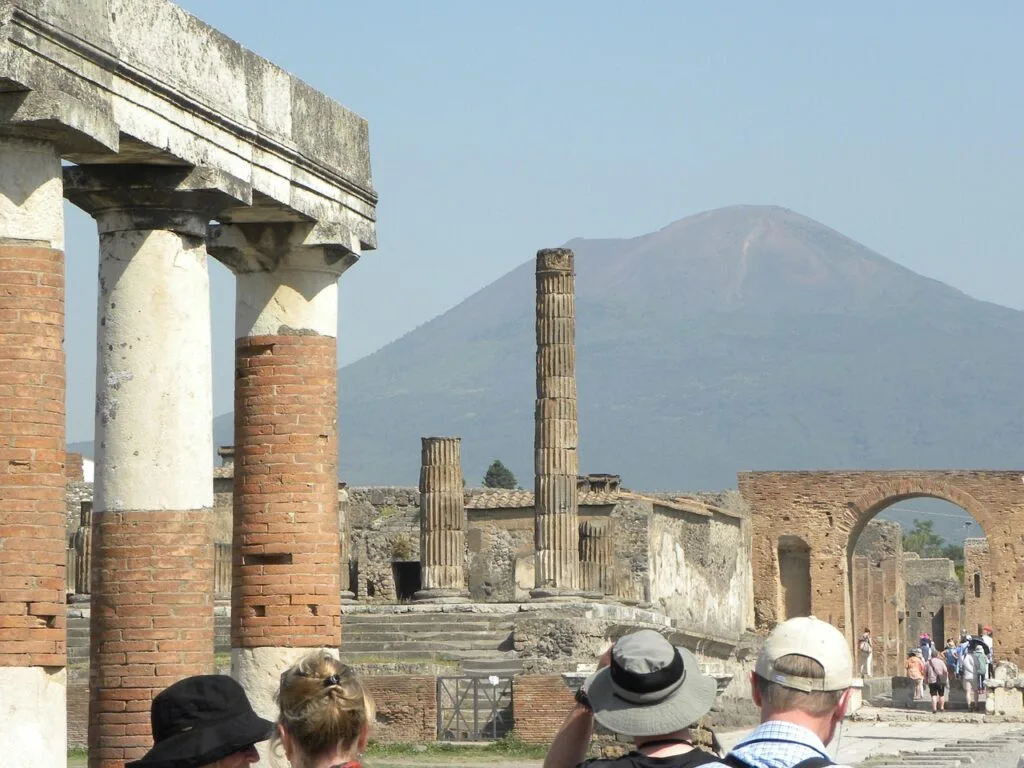






Introduction — Why the Pompeii vs. Vesuvius Dilemma?
Naples sits on the edge of a living volcano and is steeped in ancient history, baroque art, bustling alleyways and sweeping Mediterranean views. Two experiences inevitably draw visitors: exploring the archaeological site of Parco Archeologico di Pompei (Pompeii) and hiking up to the crater of the Parco Nazionale del Vesuvio (Vesuvius). But which should you do first to make the most of your time, the light, the crowds and the way the ruins and volcanic landscape complement each other? The question of “Pompeii first” or “Vesuvius first” isn’t just about logistics — it’s about weather, physical rhythm, photographic opportunities and travel connections from Naples.
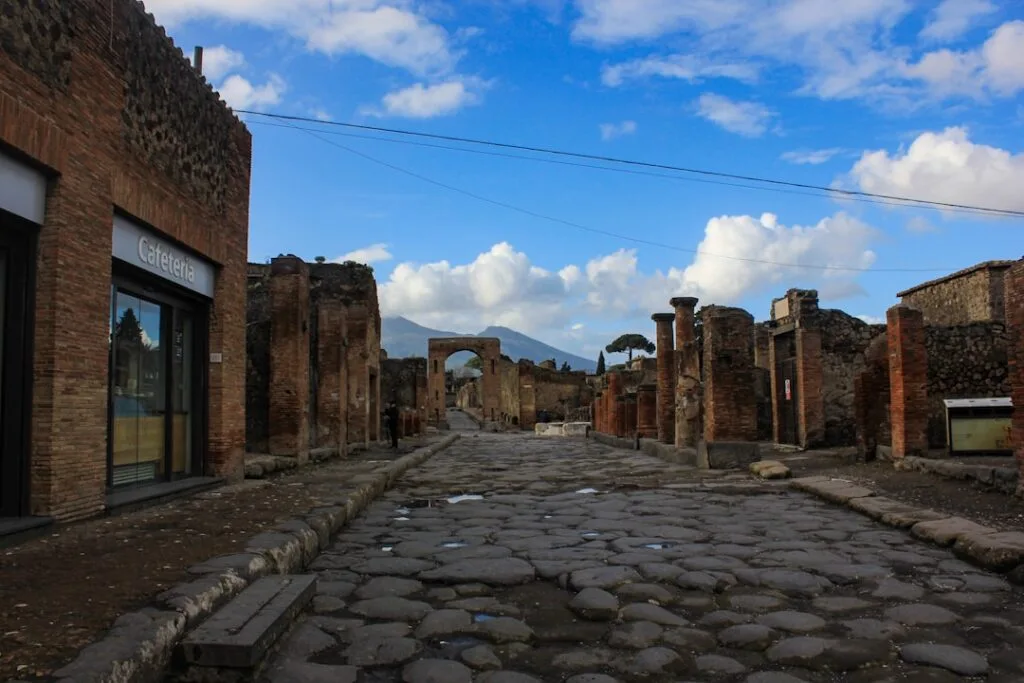
Pompeii is frozen in time yet eerily alive: a Roman town buried under ash and pumice after the eruption of AD 79. Its street grid, frescoed houses, forum, amphitheatre, baths and shops give a vivid sense of daily Roman life. Vesuvius, by contrast, towers over the Bay of Naples: a 30–60 minute climb brings you to the crater rim with panoramic views of Naples, the coastline, Capri, Ischia and the surrounding lava fields. The contrast is striking — the intimacy of ancient alleys versus the vastness of a volcanic crater.
In this detailed, practical guide I’ll walk you through the pros and cons of each order, and give you essential info: exact addresses, opening hours, prices in euros, immersive descriptions, recommended routes from Naples, and local tips on hydration, photography, transport and safety. The goal is to help you choose based on your profile — early riser, amateur photographer, casual hiker, family with kids, or a one-day sightseer.
By the end of this article you’ll not only know which order to favour, but also how to take advantage of weather windows, opening hours and the best times for photos and quiet. I’ll cover combo options — guided tours, skip-the-line tickets, private transfers, Circumvesuviana trains and local buses — plus precise tips to avoid common mistakes (underestimating the heat, ignoring footwear, booking without checking daylight saving times). Lace up your walking shoes, slather on sunscreen and bring your curiosity: Pompeii and Vesuvius together tell the story of both a geological catastrophe and a rediscovered civilisation.
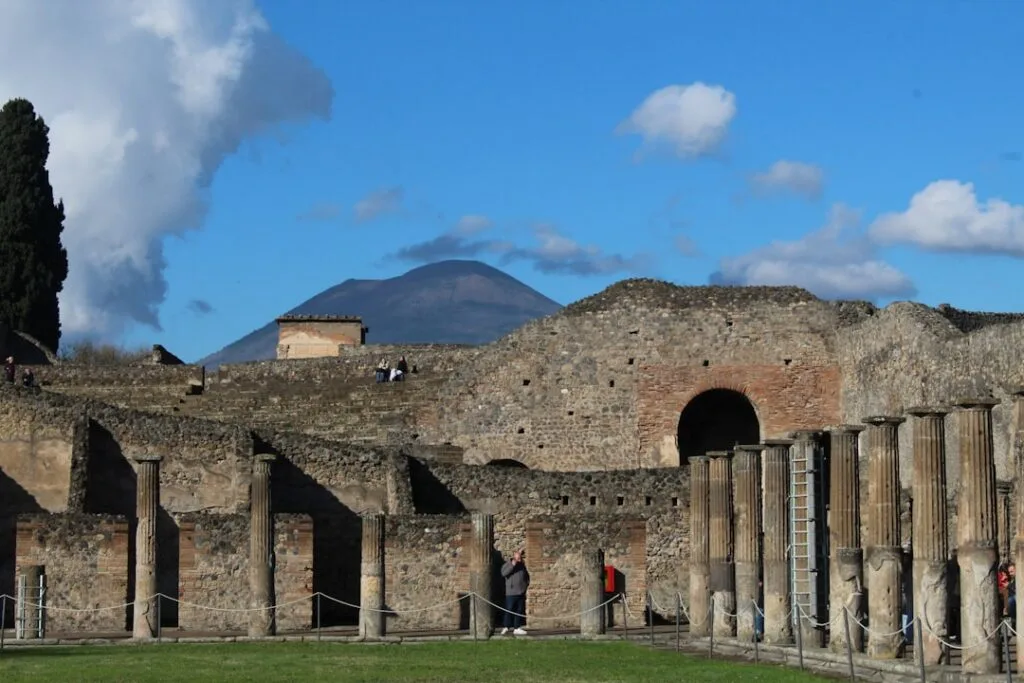
Section 1 — Pompeii First: Why a Morning Visit Works Best
Visiting Parco Archeologico di Pompei first has a lot of practical and emotional advantages. The main entrance address is Piazza Anfiteatro, 1, 80045 Pompei NA, Italy. The site’s gates (the most used entrances are Porta Marina Molo and Piazza Anfiteatro) generally open at 09:00 and close around 18:30 (times vary by season; in summer closing can be later). A standard ticket is roughly €18 (reduced fares and exemptions apply — EU youth 18–25 about €11, free for under-18s; check the official site for updates).
Why start with Pompeii in the morning? First, morning light brings out the textures in frescoes, columns and cobbled streets, producing softer, less contrasty photos than harsh midday sun. Second, temperatures are milder: the site is large (allow 3–5 hours for a full visit) and shade is scarce in summer. Finally, most tour groups arrive later in the morning, so an early start helps you explore highlights like the Casa del Fauno, the Teatro Grande and the Forum with fewer people around.
Immersive description: entering via Porta Marina you first feel the weight of ancient ground beneath your feet, the dry scent of sun-warmed stone and the low murmur of guides recounting lives from centuries ago. The intricate mosaics of the Casa dei Vettii glint in the morning sun, while baths and shops conjure the bustle of market days long past. Pause and listen to your footsteps on the large slabs and picture carts and pedestrians moving through this lively town.
Practical tips for Pompeii:
- Recommended duration: 3 to 5 hours
- Tickets: buy in advance on the official site « parcopa… » or use the Campania>Artecard depending on season
- Gear: comfortable closed shoes, hat, water (there are drinking fountains inside), sunscreen
- Transport: take the Circumvesuviana train from Napoli Piazza Garibaldi (direction Sorrento), get off at « Pompei Scavi – Villa dei Misteri »
- Other places to pair: Museo Archeologico Nazionale di Napoli (Piazza Museo, 19, 80135 Napoli NA) to see artifacts excavated from Pompeii and Herculaneum
 Click here to discover Pompeii with a walking tour in French
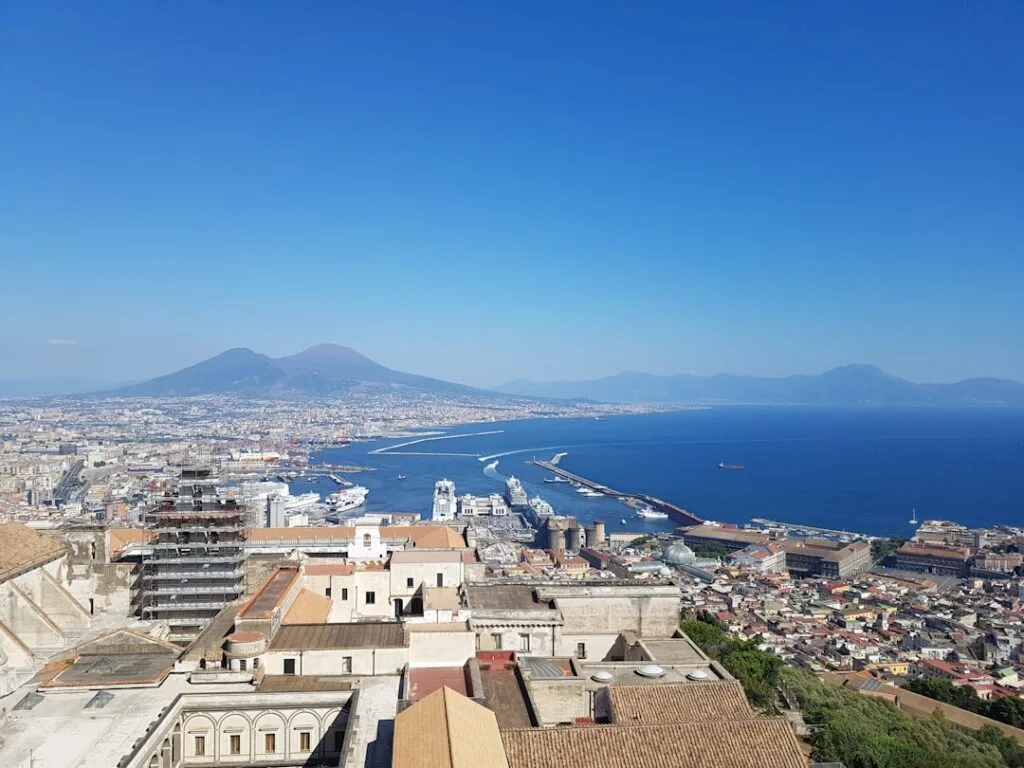
Section 2 — Vesuvius First: Why Start with the Volcano?
Starting with Vesuvius shifts the day’s rhythm entirely. The Parco Nazionale del Vesuvio offers a more physical, panoramic experience. Park offices and access points vary, but common starting addresses include Via Vesuvio, 80040 Ercolano NA / 80045 Ottaviano NA (parking and trailheads are often around Torre del Greco and Ercolano). Access to the Gran Cono trail is typically open from 09:00 to 17:00 in low season and extended in summer; the trail is ticketed via a local booth or shuttle from the parking area and costs around €10–€15 for trail access plus shuttle (prices may fluctuate).
Advantages of hiking Vesuvius first: morning light often gives clear views across the Bay of Naples and the air is cooler — perfect for a climb (30–60 minutes depending on fitness). Tourist crowds tend to be lighter early, and if visibility is good you can even spot Pompeii from the summit, which helps you visualise the volcano’s relationship with the ancient town.
Immersive description: the ascent usually starts on black tuff and sparse vegetation. The scent of Mediterranean scrub accompanies your steps — rockrose, rosemary and broom. As you near the rim the wind picks up, the slope reveals layered strata and the first glimpse of the crater — a dark ochre chasm — hits you with raw drama. From the top you can take in Capri, Ischia and Procida, the city of Naples and the valleys shaded by ancient lava flows.
Practical tips for Vesuvius:
- Recommended duration: 2 to 4 hours (allow for transport + climb + crater visit)
- Gear: sturdy hiking shoes, windbreaker, water (little shade on the trail), sunglasses
- Tickets: often bought at the parking/booth or via local operators; bring cash and card
- Transport from Naples: EAV/GT buses or guided tours; you can also combine Circumvesuviana + local bus
- Safety: avoid the rim in strong winds; respect official signs and barriers
Click here to book the Vesuvius tour with ticket included
Section 3 — Which Order Fits Your Traveller Type?
The best order really comes down to your priorities and travel style. Here are concrete scenarios to help you decide:
– If you’re a photographer or into soft, flattering light: start at Pompeii at opening time to capture frescoes and ruins in low-angle light, then head to Vesuvius later in the afternoon once any haze has burned off and visibility is at its best. This works well outside extreme summer heat.
– If you’re a hiker or prefer the panoramic experience without rushing: climb Vesuvius in the morning for cooler conditions, then come down and finish the day at Pompeii. This avoids ending the day exhausted from heat.
– If you’re traveling with kids: prioritize Pompeii first (educational, tactile history) and leave Vesuvius for when the children are rested. Note: Vesuvius trails can be rocky and exposed to sun.
– If you only have one day: plan around transport timings. One feasible plan is an early departure from Naples to Pompeii (Circumvesuviana), a ~3-hour visit, then transfer by bus or taxi to Vesuvius for a late-afternoon climb. Watch transit times and consider skip-the-line tickets where possible.
Timing tips:
- Avoid Pompeii between 11:00 and 15:00 in peak summer — heat and crowds
- Vesuvius tends to be windier in the afternoon; mornings usually offer calmer air and clearer views
- Plan trips from Napoli Piazza Garibaldi: Circumvesuviana trains (to Pompeii/Herculaneum) and buses (to Vesuvius) run frequently but can be crowded in high season
Section 4 — Logistics & Combinations: Practical Routes from Naples
Naples is the perfect base for both excursions. Here are precise itineraries, addresses and timings to help you optimise your day.
Itinerary 1 — Pompeii then Vesuvius (typical day):
- Depart: Napoli Centrale / Napoli Piazza Garibaldi (Piazza Giuseppe Garibaldi, 80142 Napoli NA)
- Train: Circumvesuviana towards Sorrento — get off at Pompei Scavi – Villa dei Misteri (journey ~30–40 min). Trains run frequently from 06:00; tickets ~€2.80
- Visit: Parco Archeologico di Pompei (Piazza Anfiteatro, 1) — 09:00 to 18:30; tickets ~€18
- Transfer to Vesuvius: taxi (~40 min) or direct bus (seasonal) to the Vesuvius parking area
- Climb Vesuvius: buy tickets at the parking booth; access to the Gran Cono trail ~€10–15
Itinerary 2 — Vesuvius then Pompeii (morning for hikers):
- Leave early by car or join a guided tour from Naples (pick-up often available at hotels/port)
- Arrive at the Parco Nazionale del Vesuvio around 08:30–09:00 — morning climb
- Descend and head to Parco Archeologico di Pompei for an afternoon visit
- Return to Naples in the evening
Other sites to add if you have time:
- Museo Archeologico Nazionale di Napoli, Piazza Museo 19, 80135 Napoli NA — typical hours 09:00–19:30; ticket ~€12
- Teatro di San Carlo, Via San Carlo 98, 80132 Napoli NA — guided tours and performance tickets; hours vary
- Castel dell’Ovo, Via Eldorado 3, 80132 Napoli NA — free access to the island, museum and bay views
- Cattedrale di Santa Maria Assunta (Duomo di Napoli), Via Duomo 147, 80138 Napoli NA — visits and treasury; hours vary, sometimes a small entry fee
Click here to book a combined Pompeii and Vesuvius excursion from Naples
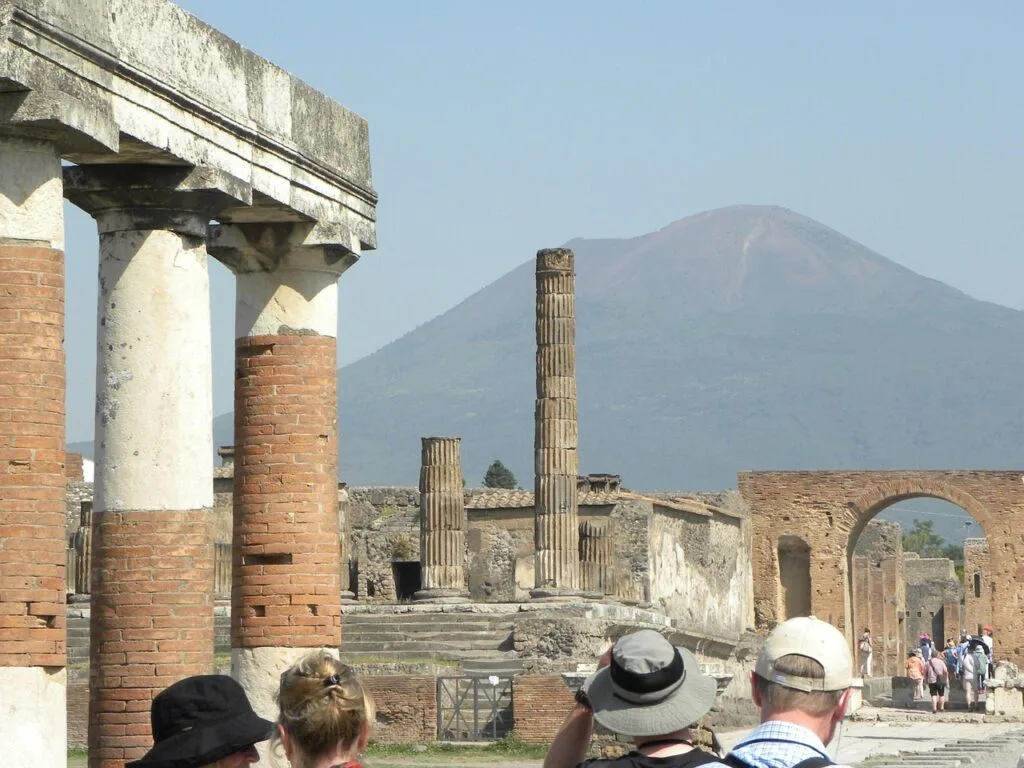
Section 5 — Local Practical Tips and Common Mistakes
To get the most out of a Pompeii + Vesuvius day, here’s a list of concrete tips and frequent mistakes to avoid.
Practical tips:
- Hydration: carry 1.5–2 litres of water per person for the day, especially in summer — there are fountains at Pompeii but they can be far apart
- Shoes: avoid sandals if you plan to do both Vesuvius and Pompeii — uneven stones demand closed, sturdy footwear
- Tickets: book Pompeii online to avoid queues (timed/skip-the-line tickets), and check whether Vesuvius requires advance booking during busy periods
- Transport: the Circumvesuviana is cheap but crowded — if you’re short on time, a private taxi or organised transfer is quicker
- Food: avoid restaurants immediately outside Pompeii’s entrance (prices are often inflated); head into the town of Pompei for more authentic trattorie
- Weather: visibility from Vesuvius can be reduced by morning haze — check forecasts and aim for a clear window
- Safety: follow the park rules — don’t cross barriers around the crater
Common mistakes to avoid:
- Trying to cram an unrealistic itinerary into one day: Pompeii + Vesuvius + another major site = tired and frustrated
- Not checking seasonal opening hours (early closures in winter)
- Relying on ticket machines on the day to buy entry
- Thinking Pompeii can be seen in an hour — for a proper understanding allow at least 3 hours
Conclusion — Which Strategy Should You Pick?
There’s no one-size-fits-all answer to “Pompeii first” or “Vesuvius first”: it depends on your pace, the weather, the season and whether your priorities are photographic or physical. If you want a contemplative, photo-friendly approach, I recommend starting at Pompeii right at opening — the morning light flatters frescoes and crowds are smaller — then reserve the afternoon for Vesuvius if the sky stays clear. If the physical challenge appeals to you or you want the clearest views at sunrise, hike Vesuvius in the morning and visit Pompeii afterwards. For families and visitors who prefer less walking, do Pompeii first for a more educational experience.
Whatever you choose, keep these priorities in mind: book tickets in advance when possible, bring sturdy shoes and plenty of water, check seasonal opening hours and adapt your route to the weather. Naples, with its living heritage — from the Parco Archeologico di Pompei to the omnipresent silhouette of the Parco Nazionale del Vesuvio — offers complementary experiences. One highlights human history, the other the might of natural forces. Together they give a fuller picture of how life was organised at the foot of a sleeping giant and how the landscape still bears the marks of that relationship.
Finally, don’t forget to include the Museo Archeologico Nazionale di Napoli (Piazza Museo, 19, 80135 Napoli NA) in your itinerary to see artifacts unearthed from Pompeii and Herculaneum, and take a stroll along Naples’ waterfront to taste an authentic Neapolitan pizza. Safe travels — whether you start in the buried city or at the smoking summit, either choice promises an unforgettable day of discovery.