





Introduction: Why avoiding the crowds at Pompeii and Vesuvius changes your visit
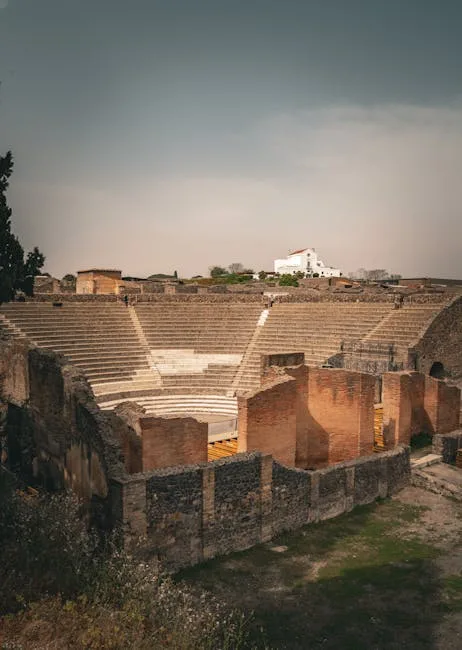
Seeing Pompeii and Mount Vesuvius from Naples is unforgettable: two major historical sites, one frozen in time by the AD 79 eruption, the other still alive and offering spectacular views over the Bay of Naples. But their proximity to Naples and easy access draw millions of visitors every year. Long queues, large tour groups and fixed routes can quickly turn a discovery day into an obstacle course. If you truly want to soak up the atmosphere, the light, the architectural details and the vistas, learning how to dodge the crowds is essential.
Avoiding the crowds doesn’t mean skipping the must-sees; it’s about picking the right time and approach so you can feel the raw emotion of the places: the smell of sun-warmed stone in Pompeii’s lanes, the sweeping view of the Gulf of Naples from Vesuvius’s crater, the chance to linger in front of a restored house, a gladiator fight painted on a wall or a private Roman garden without being jostled. With a little prep — choosing the right hours, buying tickets in advance, selecting alternative routes, using lesser-known local transport and following practical tips — you can save hours and enjoy each experience more intimately.
In this article I offer concrete, tried-and-tested tips to get around Pompeii and Vesuvius more peacefully from Naples: when to book, how to pick a less-busy entrance, which hours to favor, which local services to contact, useful addresses to remember (ticket offices, stations, parking), how much to prepay, which guides or audio guides to prioritize, and on-the-ground advice (shoes, water, sun protection). Each tip includes full addresses, price ranges in euros and usual opening hours to help you plan your day precisely. The goal: turn a potentially stressful visit into a half- or full-day of calm, discovery-rich, photo-ready moments away from the crush.
Pick the right slot: hours, seasons and tickets for Pompeii
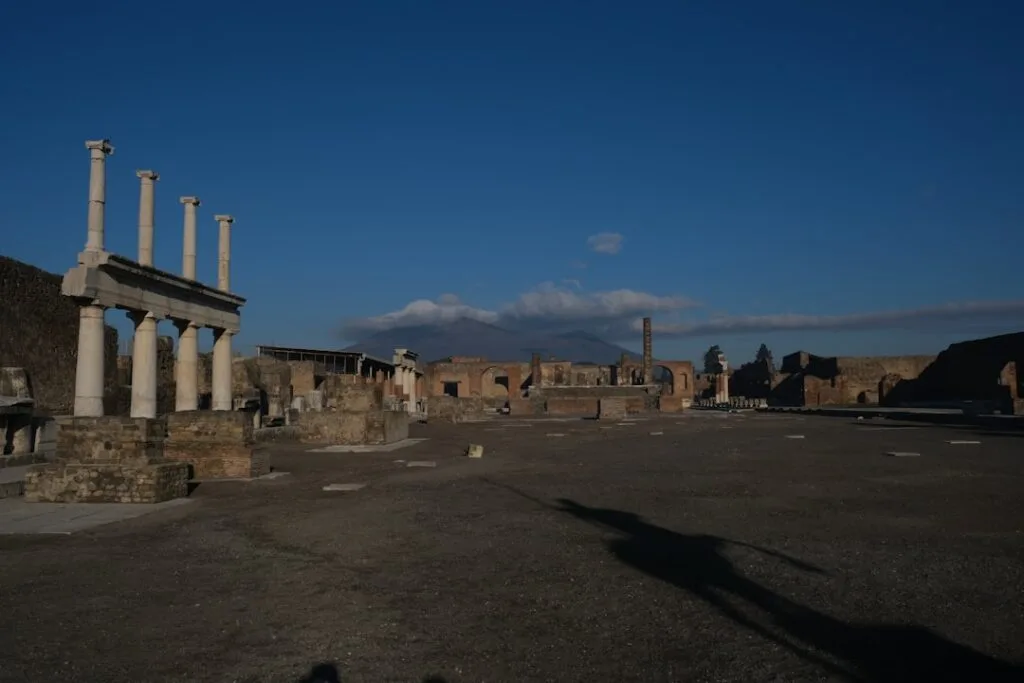
The single best trick to beat the crowds at Pompeii is mastering the timing. The Parco Archeologico di Pompei (main address: Parco Archeologico di Pompei, Via Villa dei Misteri 2, 80045 Pompei NA, Italy) generally opens at 09:00 year-round. In high season (April to September) hours often extend until 19:30 (last entry 18:00), while in low season (October to March) closing is usually around 17:00 (last entry 16:00). Times can shift slightly for public holidays; check the official site before you go.
Ticket prices: full-price adult tickets are around €18 (standard entry, sometimes combined with temporary exhibitions), reduced rates for EU citizens aged 18–25 are about €9, and entry is free for under-18s. There are also combined tickets that include nearby sites such as Oplontis or Herculaneum, and regional Campania archaeological passes that can lower the overall cost if you visit several sites in the same week.
Practical timing tips:
- Arrive at opening (09:00): The first hours of the morning are the quietest. You’ll get soft light for photos and almost-empty streets.
- Late-afternoon visits: If you spend the morning in Naples or along the coast, returning to Pompeii after 16:00 outside peak season helps avoid morning coach groups. Late-afternoon light is warm and crowds thin out.
- Avoid Wednesdays and weekends in high season: Day trips from Naples spike attendance significantly.
- Skip-the-line tickets: Buy online on the Parco Archeologico di Pompei official site for a specific time slot. Time slots reduce ticket-office waits but don’t guarantee total solitude inside.
 Click here to book your Pompeii entry with audio guide
Alternative entrances and less-crowded routes
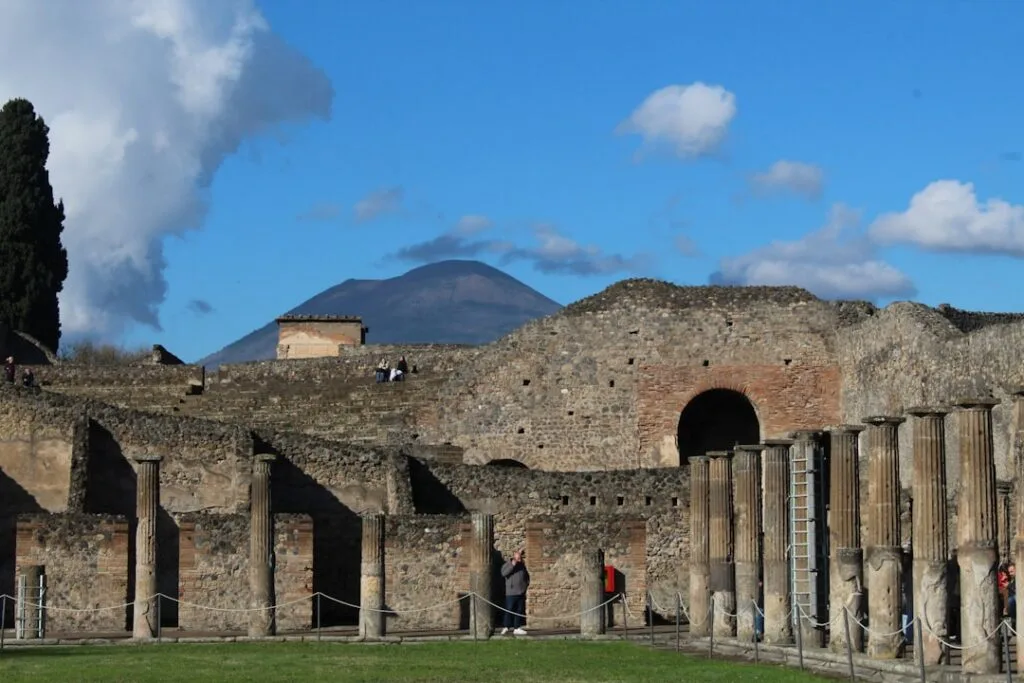
Pompeii has several access points: Porta Marina Superiore (near the beach), Via Villa dei Misteri (main entrance close to the Circumvesuviana station Pompei Scavi – Villa dei Misteri) and the Piazza Esedra entrance. To dodge big groups, use the Via Villa dei Misteri entrance (address above) but then walk toward the less popular sections like the Fullonica quarter, the House of the Faun (with its mosaics) and the Garden of the Fugitives, where many visitors don’t linger. Ask for a detailed map at the information point (via the main entrance reception) and plan a loop route to avoid trailing the majority.
Getting to Vesuvius smartly: access, shuttles and opening times
Vesuvius is managed by the Parco Nazionale del Vesuvio. Road access to the trailhead at the base of the crater is possible, but parking is limited and often full in high season. The administrative address often given for local info is Parco Nazionale del Vesuvio, Via Resina, 80053 Torre del Greco NA, Italy (offices and information points are located at various spots around the park). The official starting point for the walk up to the crater is at the « Rifugio del Vesuvio » / « Vesuvio Ticket Office » (depending on tourist flows). Official hours to access the crater typically run from 09:00 to 17:00/18:00 depending on the season; ticket offices close earlier (check exact times on the Parco Nazionale del Vesuvio website).
Entry fees: Official prices to reach the crater are often around €10 per person (rates vary depending on whether you take just trail access or an official guide). There are also paid shuttle services (minibuses) from Ercolano Scavi station or from Pompei/Porta Marina; these shuttles usually cost between €3 and €10 round-trip depending on departure point and season. Private guided day tours from Naples can range from €50 to €100 per person depending on group size and inclusions (transport, guide, entrance fee).
Tips to avoid the crowds at Vesuvius:
- Go early or late: Early opening (from 09:00) is ideal for peace. If you prefer sunset views, check closing times carefully — some periods don’t allow visitors to stay until sunset for safety reasons.
- Choose a less-touristy season: April–May and September–October offer pleasant temperatures and far fewer people than July–August.
- Hike from quieter villages: Starting from Ercolano (Parco Nazionale del Vesuvio east side) or Torre del Greco can sometimes avoid the mass that ascends from the Pompeii area.
- Book the official shuttle: Shuttles run by EAV or the Park provide arrival times outside the main tourist flows. Book online or ask at the local info point.
Click here to book your Vesuvius and Pompeii day trip

Alternative routes and nearby sites to escape the crowds
If Pompeii and Vesuvius are too crowded the day you plan to visit, the region has plenty of nearby alternatives that keep the archaeological and volcanic vibe: Herculaneum (Ercolano), Oplontis (Torre Annunziata) and the Parco Archeologico di Boscoreale. Each has its own feel and generally attracts fewer visitors.
Herculaneum – Address: Parco Archeologico di Ercolano, Corso Resina 187, 80056 Ercolano NA, Italy. Hours: typically 09:00–19:00 (varies by season). Price: full ticket around €13, reduced for EU youth often €7–€8. Herculaneum is smaller than Pompeii, but the remains are exceptionally well preserved (charred woodwork, mosaics). The visit is shorter and lets you trace daily Roman life away from the coach crowds concentrated in Pompeii.
Click here to discover Herculaneum with a guided tour

Oplontis – Address: Villa Poppaea (Villa di Poppea), Via Delle Terme 28, 80059 Torre Annunziata NA, Italy. Hours: often 09:00–19:00 depending on season; Price: around €8–€10. This Roman villa, attributed to Poppaea Sabina (Nero’s wife), has remarkable frescoes and is generally less visited, giving you more time to reflect.
Parco Archeologico di Boscoreale – Address: Via Villa Regina 1, 80041 Boscoreale NA, Italy. Lesser-known, it’s an excellent complement for anyone wanting to deepen their understanding of rural settlements and villas around Vesuvius, often visited by small study groups and enthusiasts.
Transport from Naples: trains, buses, parking and practical tips
Getting to Pompeii and Vesuvius from central Naples is straightforward, but to save time and avoid queues, some transport choices are smarter than others.
By Trenitalia/Circumvesuviana: Take the Circumvesuviana from Napoli Garibaldi (Piazza Garibaldi, 80142 Napoli NA) toward Sorrento and get off at « Pompei Scavi – Villa dei Misteri » station to be a two-minute walk from Pompeii’s main entrance (Via Villa dei Misteri 2). Frequency: roughly every 20–30 minutes depending on season. Price: single Napoli–Pompei ticket about €2.80–€3.00. Aim for an early train to reduce time on crowded platforms and avoid packed carriages.

For Vesuvius: From Naples take the Circumvesuviana to Ercolano Scavi (for the east side) or Pompei (for the south side). From there, official buses/minibuses (« EAV bus ») or private shuttles go up to the Vesuvius parking and trail ticket office. Main shuttle pickup points are often Piazza Anfiteatro (Pompei) or Via Marconi (Ercolano); check locally as departure points can change with the season.
If you drive, plan parking ahead: at Vesuvius the official parking « Via IV Novembre » / « Rifugio del Vesuvio » fills up fast. Parking fees range from €5 to €15 depending on duration and season. In Pompeii paid parking is available around Via Roma and Porta Marina; the archaeological park itself has no large free lot.
Click here to book a Pompeii tour with transfer included

Local practical tips: language, payment, food
Language and communication: Learn a few basic Italian phrases (thank you = grazie, please = per favore, where = dove); it smooths interactions with shuttle drivers and small shop owners. Many staff speak English, but in villages around Vesuvius Italian is often preferred.
Payments: Always carry some cash in small denominations (coins of €1, €2 and €5/10 notes) for toilets, street vendors and some local buses; most museums and major ticket offices accept cards. Prefer a card with no foreign transaction fees to avoid extra bank charges.
Food: To avoid crowded tourist traps, choose trattorie frequented by locals. In Pompei, Trattoria « Da Peppino » (example: Via Roma 100 — check the local listing) a little bit away from the entrance often serves residents; in Ercolano look for cafés near Corso Resina for a quick espresso before the climb. Pack a snack and water for the Vesuvius hike; there are only a few seasonal stalls at the trail base.
Guides, audio guides and private tours: save time without the crowds
Investing in a local guide or a quality audio guide can transform your visit and cut time spent searching for information. At the Parco Archeologico di Pompei, official guides wear badges; a private 2-hour guided tour typically costs between €120 and €200 for a small group (prices vary by season). Official guides know alternative routes and can take you to quieter areas like thermopolia, lesser-restored houses, and explain details you often miss solo.
Official audio guides provided by the park usually cost around €6–€8 and can be reserved in advance. Paid mobile apps also offer offline routes to avoid queueing: some provide « off the beaten track » tours that route you through quieter sections.
Tip: Combine a short guided tour in the morning (1.5–2h) to get the keys to the most historically rich areas, then continue independently with a map and an audio guide to dive deeper without trailing a group. This approach gives you historical context without being tied to a group all day.
Click here to book a Pompeii guided tour with an archaeologist
Conclusion: turn high attendance into an advantage
Avoiding the crowds at Pompeii and Vesuvius isn’t just about comfort: it’s a strategy to gain a deeper understanding of the past, to feel the spaces and to capture photos and emotions that many hurried visitors miss. By carefully planning your time slots, booking tickets in advance, choosing alternate entrances and routes, and combining local guides with audio guides, you can turn a potentially superficial visit into a deep, memorable exploration.
Remember the key points: arrive at opening (09:00), favor April–May or September–October for pleasant temperatures and fewer people, use the Circumvesuviana for an economical and quick trip, book official shuttles to reach Vesuvius, and consider short guided tours to get historical context without being stuck in a group all day. Bring suitable shoes, water, sun protection and some cash for local services; these practical details reduce stress and let you enjoy the experience fully.
Finally, keep in mind the Naples region is full of exciting alternatives — Herculaneum, Oplontis and Boscoreale — where you can extend the day in peace. By combining these sites with a smart visit to Pompeii and a thoughtful ascent of Vesuvius, you’ll craft a rich, intimate and respectful heritage experience. So book your tickets, raise anchor early, and leave the crowds behind to discover the quiet magic of these two exceptional witnesses of history.