





Introduction: A Stroll Along the Lungomare of Naples — an Itinerary to Feel the City
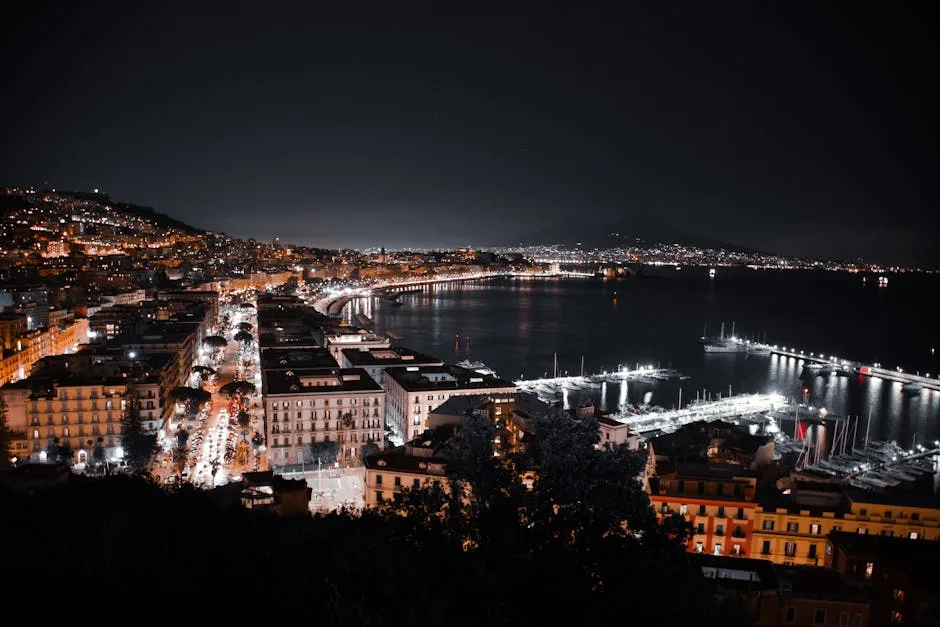
The Lungomare di Napoli, often called Lungomare Caracciolo or simply Naples’ seafront, is one of Italy’s most iconic urban promenades. Stretching along the Gulf of Naples with views of Vesuvius and the gulf islands (Capri, Ischia, Procida), the Lungomare is where the city reveals itself in both its everyday intensity and its sweeping panoramas. Walking here means moving through centuries of history, feeling local life, breathing salty air and soaking up the unmistakable Mediterranean light that turns facades into living paintings at dawn and dusk.
This introduction sets the scene for a must-do route — designed for visitors who want to experience the best of the seafront in half a day or a full day. I’ll outline the key stops, give exact addresses, suggested opening times, price ranges and practical tips to make the most of your walk: where to park, which sections to favor depending on the hour and season, how to combine sightseeing with a food break, and how to avoid tourist traps. Naples is vibrant and sometimes chaotic; the Lungomare embodies that mix of reclaimed elegance and popular authenticity.
On this walk you’ll encounter historic sites like Castel dell’Ovo (Via Eldorado, 3), lively neighborhoods like the Borgo Marinari, public gardens such as the Villa Comunale (Via Francesco Caracciolo, 7), as well as viewpoints and cafes with sea views. The seafront also connects the historic port to the Vomero/Posillipo areas and offers several ferry access points to Capri and Ischia from Molo Beverello. The atmosphere changes by the hour: mornings are for runners and fishermen, early afternoons for a coffee and a nap, and late afternoons and sunsets for couples and photographers.
Finally, this itinerary includes practical information: museum and castle fees, approximate opening hours (confirm seasonally), recommended cafes and restaurants along the Lungomare, and local etiquette tips (how to deal with street vendors, how to negotiate a service, etc.). Whether you’re a history buff, a photographer chasing light, a foodie or a casual stroller, this route will give you the keys to feel Naples through its shoreline. Pack comfortable shoes, your camera and a healthy appetite: the sea, the city and Neapolitan cuisine are waiting.

Understanding the Lungomare and Its History
The Lungomare di Napoli has a geography and history that explain its central role in Neapolitan life. About 3 kilometres long, the promenade starts near Castel Nuovo (Maschio Angioino) and runs westward along the Villa Comunale, Molo Beverello and the famed Lungomare Caracciolo, reaching the residential areas of Santa Lucia and Posillipo. Historically, the seafront has been redeveloped several times; under Ferdinand II and later in the 19th century, tree-lined promenades and public gardens were created to provide a place of leisure for residents and visitors. The Villa Comunale, for instance, is a public garden established in the early 1800s at the initiative of the Bourbon rulers.
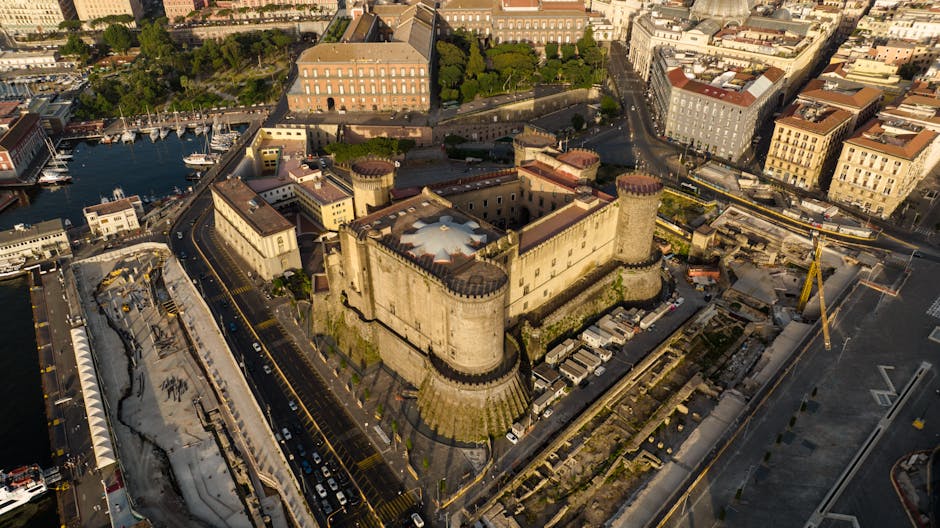
The monuments along the Lungomare carry memories of different eras. Castel Nuovo (Piazza Municipio, 1) is a medieval fortress that became a symbol of Aragonese and Angevin power. Castel dell’Ovo, sitting on a small islet connected by a causeway (Via Eldorado, 3), rises above ancient settlement remains and today offers a dramatic silhouette facing the gulf. The Borgo Marinari, tucked beside Castel dell’Ovo on the little marina, preserves the spirit of a fishing village with narrow lanes and seafood restaurants. Between these landmarks, the elegant facades on Via Francesco Caracciolo and tree-planted terraces tell the story of urban development and Naples’ long relationship with the sea.
Socially, the Lungomare is a meeting place across generations: joggers and cyclists share the space with older people playing cards, families cooling off and tourists photographing Vesuvius. Seasonal events frequently take place on the promenade: street festivals, temporary exhibitions at Castel dell’Ovo, craft markets and open-air concerts. The presence of the port (Molo Beverello and Porto di Napoli) and maritime connections also makes the Lungomare a logistical hub for travel to the islands and the Amalfi Coast.
Finally, the heritage value is visible in the architectural variety: neoclassical buildings, Art Nouveau hotels, modern structures and ancient remains sit side by side. A slow walk not only rewards you with wide sea views but also lets you appreciate details like balconies, carved wooden doors and small neighborhood chapels. The promenade is a landscape project, a leisure area and an open-air urban museum — largely free to access most of the day (public gardens typically open from morning until dusk) — making it a precious place for anyone wanting to understand Naples by the sea.

Step-by-step Recommended Route (3 km loop, about 2 to 4 hours)
This route starts in the historic centre and gradually builds in visual impact up to the Posillipo plateau. It’s designed as a pleasant loop at a relaxed pace: photo stops, a coffee, a museum visit and a lunch break.
Starting point: Piazza Municipio, in front of Castel Nuovo (Maschio Angioino).
- Address: Castel Nuovo, Piazza Municipio, 1, 80133 Napoli NA. Hours: museum generally 9:00–19:00 (closed Mondays seasonally). Price: around €6–10 for the Museo Civico di Castel Nuovo. Tip: buy a skip-the-line ticket in high season.
From there, walk down Via Chiatamone and join Lungomare Caracciolo. The first major stop is the Villa Comunale (Via Francesco Caracciolo, 7): a long, shady public garden perfect for a quiet stroll and for spotting the distant Capodimonte observatory. Villa Comunale is typically open from 7:00 until around 20:00 depending on the season; free entry.
Continue toward Molo Beverello (Porto di Napoli) to observe port activity and, if you plan an excursion to Capri, buy or check your ferry tickets here. Address: Molo Beverello, Via Acton, 80132 Napoli NA. Ferry prices: Cataldi/Alilauro/SNAV — trips to Capri typically €20–45 depending on route and season. Tickets are sold at counters or online. Tip: check early departures if you’re doing a day trip.
Keep walking to the Borgo Marinari and Castel dell’Ovo. The Borgo Marinari is a picturesque little islet where several seafood restaurants cluster — ideal for a fish-based lunch. Address Castel dell’Ovo: Via Eldorado, 3, 80132 Napoli NA. Hours: exterior access is free; exhibitions and events often run 9:00–19:00. Entry: most outdoor areas are free, special exhibitions may charge €5–10.
From Castel dell’Ovo, return along the Lungomare and finish your loop at Palazzo Donn’Anna (Via Francesco Caracciolo, 44) and the Santa Lucia promenade, which offers some of the most photographed views of Vesuvius and Capri in the distance. This stretch is particularly beautiful at sunset. If you still have energy, head up to the Posillipo neighborhood for an even higher, quieter panorama.
Detailed Points of Interest: Monuments, Museums and Places to Pause
Castel Nuovo (Maschio Angioino)
Address: Piazza Municipio, 1, 80133 Napoli NA. Hours: museum 9:00–19:00 (check weekly closures). Price: approx. €6–10 (reduced rates for students and children). The Maschio Angioino is one of Naples’ symbols: a massive gatehouse, medieval towers and rooms displaying art collections and historical objects. The interior is worth visiting for its frescoes and the Parliament Hall.
Villa Comunale
Address: Via Francesco Caracciolo, 7, 80121 Napoli NA. Hours: open from morning until dusk (roughly 7:00–20:00). Price: free entry. This 19th-century public garden with shaded paths, playgrounds and statues is a peaceful refuge in the city centre — perfect for a picnic or a coffee in the pine shade.
Molo Beverello and Porto di Napoli
Address: Molo Beverello, Via Acton, 80132 Napoli NA. Hours: ticket office hours vary (roughly 7:00–20:00) depending on the company. Price: trips to Capri/Ischia/Procida €20–45 depending on season and vessel type. The port is the logistics point for reaching the islands and the coast. Its view of the gulf, especially in the morning light, is very photogenic. Mind the boat schedules: in summer frequency increases but lines can be long.
Borgo Marinari and Castel dell’Ovo
Address Castel dell’Ovo: Via Eldorado, 3, 80132 Napoli NA. Hours: exterior access free; exhibits and rooms 9:00–19:00 depending on programming. Price: free access to outdoor spaces, exhibitions €5–10. The Borgo Marinari is the fishing village by the castle with narrow streets and seafood restaurants (for example Ristorante Zi Teresa, Via Borgo Marinari 3, 80132 Napoli; main courses €15–35). It’s an ideal spot for a seaside lunch.
Palazzo Donn’Anna and Lungomare Santa Lucia
Address: Palazzo Donn’Anna, Via Francesco Caracciolo, 44, 80121 Napoli NA. Hours: facade visible at all times; interior visits during private events. Price: free to view from the outside. The palace, partly romantically ruined on the water’s edge, is a photo icon for its baroque architecture. Nearby, the Santa Lucia promenade has cafes and small bars where you can finish your walk with a spritz or a coffee.

Food and Cafes Along the Lungomare
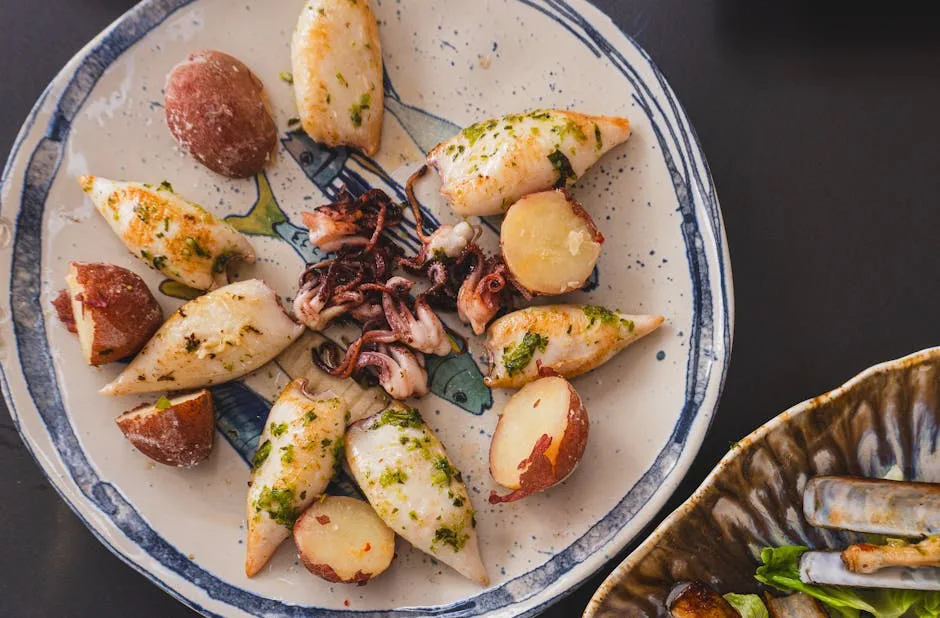
The cuisine along Naples’ seafront obviously focuses on seafood, but the Lungomare also offers Neapolitan classics: pizza, sfogliatella, strong Neapolitan espresso and limoncello. Here are some recommended spots with addresses, price ranges and ordering tips:
- Ristorante Zi Teresa — Address: Borgo Marinari, 3, 80132 Napoli NA. Specialty: fish and seafood. Price: menus €25–50 per person depending on choices. Tip: reserve the terrace; try the crudo di mare and the fritto misto.
- Gran Caffè Gambrinus — Address: Via Chiaia, 1/2, 80132 Napoli NA (a short walk from the Lungomare). Hours: 7:30–23:00. Price: coffee €1–3, pastries €2–6. A historic cafe for enjoying a sfogliatella and a Neapolitan espresso on the terrace.
- Pizzeria di Mare (local examples) — many pizzerias around Piazza Vittoria / Via Partenope serve classic Neapolitan pizza. Price: pizzas €7–15.
- Bar Salvatore (terrace for aperitivo) — Address: Lungomare Caracciolo, near Villa Comunale. Price: aperitifs €6–12. Tip: come at sunset for an aperitivo facing Vesuvius.
For sweet lovers: don’t miss the sfogliatella (a pastry filled with ricotta or custard) and the rum-soaked baba — two Neapolitan classics. Bars often offer small plates to share; opt for the local fish of the day (pesce del giorno) and pair it with Campanian white wines like Fiano di Avellino or Greco di Tufo when eating seafood.
Some practical tips: in high season, reservations are essential for Borgo Marinari restaurants and seafront venues. Check whether service includes VAT and whether a ‘coperto’ (cover charge) is applied — it’s common to pay €1–3 per person for the cover in Italian restaurants. For a tighter budget, sandwich kiosks and small trattorie offer excellent options for €6–12.
Local Practical Tips and Safety
To fully enjoy the Lungomare, here are practical, locally-rooted tips based on common practice and experience:
- Best times: early morning (7:00–9:00) for soft light and fewer people; late afternoon (17:00–20:00) for sunset and atmosphere. Avoid the scorching midday sun in summer.
- Transport: the Lungomare is accessible by metro (Municipio station for Castel Nuovo) and by ANM buses (lines 140, 151 depending on route). For parking, look for public car parks around Via Chiaia and Piazza Vittoria; daily rates €15–30 depending on location. Taxis are convenient but prefer official ride-hailing services or the white taxis at ranks.
- Safety: Naples is generally safe for tourists, but be mindful of personal belongings, especially in high-traffic tourist spots like Molo Beverello. Avoid accepting unsolicited goods or services and always agree on prices before booking an impromptu tour.
- Money and payments: most restaurants accept cards (Visa/Mastercard) but some small cafes or kiosks prefer cash. Carry some notes and coins for the coperto and tips (5–10% is not mandatory but appreciated).
- Language and communication: a good level of English is common in tourist establishments; however, learning a few Italian greetings (« Buongiorno », « Grazie », « Per favore ») will smooth interactions.
- Prepare for the day: bring a water bottle, hat and sunscreen in summer; a lightweight umbrella for spring/autumn showers. Comfortable shoes are a must: uneven cobbles and long distances on foot.
- Respect the place: Naples is proud of its local traditions. Respect quiet hours at night and avoid leaving litter — use public bins and follow recycling guidance where provided.
Finally, check official sites for updates on opening hours and prices: the Comune di Napoli and ferry companies (Alilauro, SNAV, Caremar, Medmar) regularly publish seasonal schedules. In case of local events or transport strikes, allow extra time for connections. With these precautions, a walk along the Lungomare will feel like a luminous, sensory pause in the heart of Naples.

Conclusion: Why Take This Walk Today
Naples’ Lungomare is an experience that blends scenery, history, food and everyday life. This stroll is more than a tourist route: it’s a moment to sense the soul of Naples. Walking from Castel Nuovo to Castel dell’Ovo and through the Villa Comunale, you’ll pick up historical and human layers: medieval fortresses, 19th-century bourgeois gardens, historic cafes and fishermen’s restaurants. Each stop tells a story — a window onto Naples’ past and present.
The practical details in this itinerary (addresses, approximate hours, indicative prices) are meant to help you plan, but remember that times can change with season and events. Always verify official sites before you go (for example: the official Comune di Napoli site and ferry companies like Alilauro/SNAV). By choosing the best times of day (morning for calm, late afternoon for light) and following a few simple rules (reserve for Borgo Marinari restaurants, watch your belongings), you’ll set yourself up for a perfect day.
Lastly, leave room for the unexpected: a temporary exhibition at Castel dell’Ovo, a small concert on the promenade, or an impromptu tasting of local produce. Naples often reveals itself in those unplanned moments. Whether you have an hour or a whole day, the Lungomare will deliver a condensed dose of sensations: salty air, the sound of waves on the rocks, the scent of freshly ground coffee and Vesuvius’ majestic silhouette on the horizon. Take your photos, taste the local food, sit on a bench and watch life go by: a walk along the Lungomare is, above all, an invitation to slow down and feel Naples in all its humanity and beauty.