





Introduction: Secret Naples — an invitation to explore off the beaten track
Naples often gets reduced to iconic shots of Piazza del Plebiscito, Mount Vesuvius and a steaming plate of pizza. But away from the crowds on Via Toledo and the usual tourist routes, the city hides fragments of history, popular art and everyday life that reveal a different Naples — more intimate, rougher around the edges, and more authentic. This guide is designed to lead you to those lesser-documented spots: narrow alleys, workshops, monumental cemeteries and markets where the real Neapolitan character comes through.
Below you’ll find practical routes, exact addresses, opening times, prices and local tips to visit sites often overlooked by traditional guides. We cover places as varied as the Cimitero delle Fontanelle, a poignant testimony to popular beliefs; lesser-visited catacombs; hidden Baroque palazzi tucked into working-class neighborhoods; food markets where you can eat like a local; and parks or viewpoints offering exceptional vistas without the tourist crush. The aim is to balance practical information with sensory immersion: smell the coffee in the alleys at dawn, listen to market sellers, touch the worn stone of century-old stairways.
This guide does more than list sites: it gives you strategies to get around efficiently (which funicular to take, where to park if you’re driving), recommendations by season and time of day, and safety and cultural-respect tips so you can have authentic, responsible experiences. You’ll also find addresses for quick, affordable bites, galleries and workshops open by appointment, and themed walks to help you understand Naples’ social and historical layers.
Whether you have half a day or several days, this off-the-beaten-track route will encourage you to slow down, lift your eyes from maps and talk to the city. The sites suggested are chosen for their capacity to surprise: a cemetery turned secular shrine, a stairway that’s a work of art in a Baroque courtyard, a market where fish is still sold by auction, a villa with a little-known museum, or a belvedere overlooking the sea and industrial port. Following these leads, you can build your own Naples — away from tourist flows, rich in encounters and discoveries.
1. Cimitero delle Fontanelle and underground spirituality
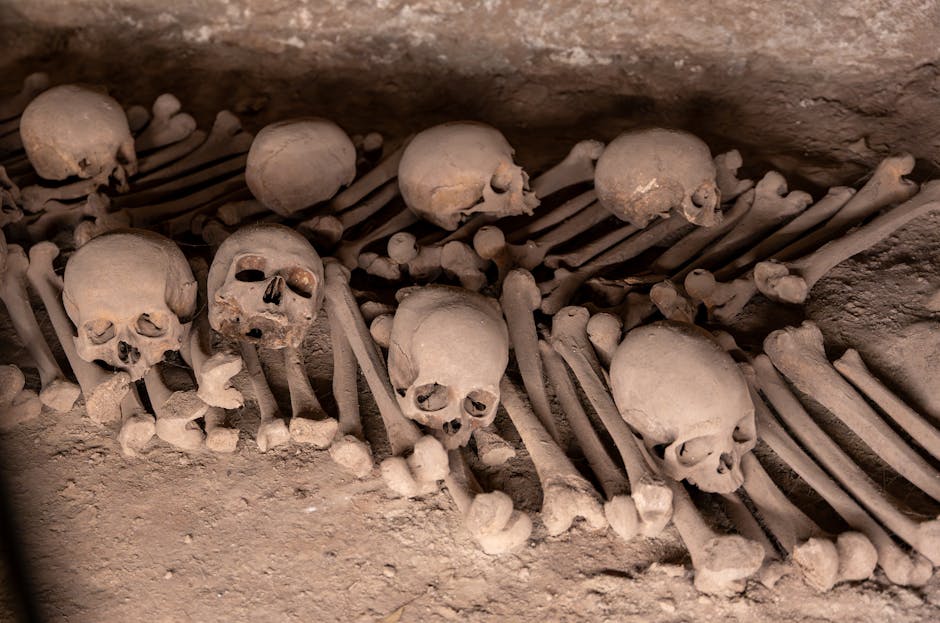
The Cimitero delle Fontanelle, at Via Fontanelle, 80, 80135 Napoli NA, is one of the most singular places in Naples. Created in the 17th century to hold victims of epidemics and wars, this vast underground ossuary served for centuries as a place of popular devotion. You’ll find thousands of skulls and bones arranged with a macabre yet deeply human aesthetic. The entrance is at number 80 on Via Fontanelle; access is usually by way of a small donation or an entrance fee: approx. €3–€5 per person.
Opening times: the crypt is open Tuesday to Sunday, from 09:30 to 13:00 and from 14:30 to 17:30. Closed on Mondays. Check the hours before you go, as masses, conservation work or cultural events can change the schedule. Guided tours, often run by local associations, add valuable historical and anthropological context (guide fee around €6–€10 extra).
Immersive description: descending the stairwell, you enter an atmosphere that is at once calm and charged. Filtered light reveals lined-up bones, ex-votos and popular icons. Neapolitans have long had a particular relationship with death — a mix of superstition, prayer and spiritual protection — and in the Cimitero delle Fontanelle you can see marks of care on some skulls, dedicated to local « santi’ommé » (folk saints). Take a moment to sit and listen: the underground silence is almost tangible.
Local tips: dress modestly and respectfully, avoid intrusive flash photography, and bring a few coins for the donation. The access path can get muddy after rain, so wear appropriate shoes. To get there, take Metro Line 1 to Materdei and walk 10–12 minutes, or take a taxi from the city center (about €8–€12 depending on traffic).

2. Quartieri Spagnoli, Palazzo dello Spagnolo and popular architecture
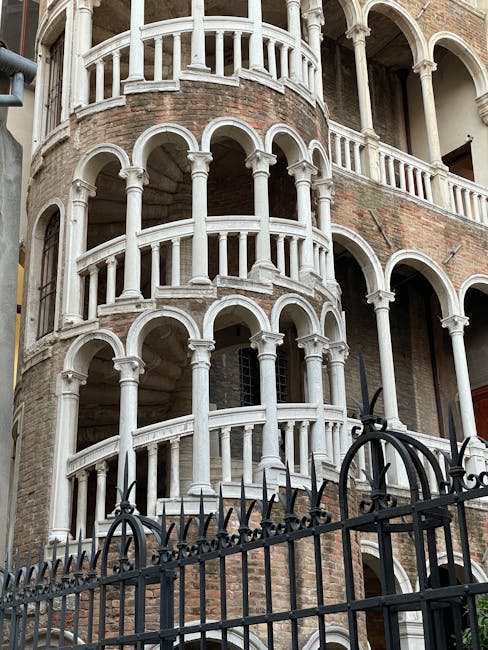
The Quartieri Spagnoli is a dense, lively area sitting between Via Toledo and Via Duomo. Often passed through quickly, these neighborhoods nonetheless preserve a fascinating urban and social fabric: inner courtyards, artisan workshops, small churches and hidden Baroque courtyards. One lesser-known architectural gem is the Palazzo dello Spagnolo, at Vico Lungo Teatro Nuovo, 103, 80134 Napoli NA. This 18th-century palace is famous for its spectacular horseshoe-shaped staircase, pierced and ornamented — a favorite subject for architecture lovers.
The Palazzo dello Spagnolo isn’t always open to the public regularly: access can be granted during occasional guided visits or cultural events. When a visit is organized, the fee is usually modest, around €5–€10. Independent visitors can often enter the courtyard and glimpse the staircase from the ground floor most of the time. Opening times vary, so check with the local tourist office or neighborhood associations before you go.
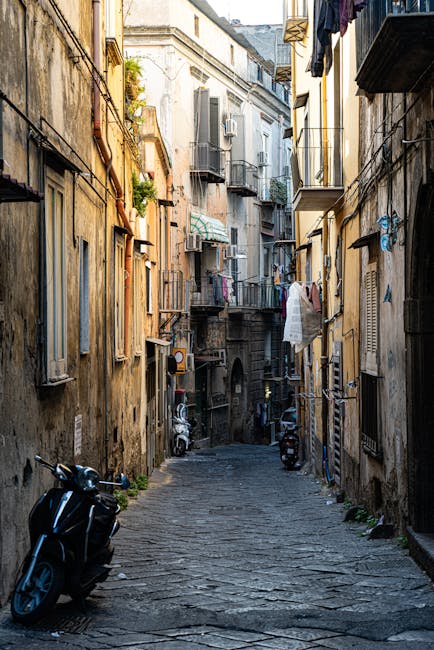
Immersive description: wandering the Quartieri Spagnoli lets you feel the pulse of popular Naples. Balconies are draped with colorful laundry drying in the sun, and conversations echo through the narrow streets. Artisan workshops (cobblers, wood turners, luthiers) smell of leather and worked wood — push a door and ask if you can watch; most of the time you’ll be offered a demonstration or a story.
Practical tips: avoid going alone late at night and prefer daytime visits, especially in the morning as the neighborhood wakes up. For a local lunch, try a « frittatina di pasta » or a fried pizza from a friggitoria in the area: prices range between €2 and €6. Nearest metro station: Toledo (Line 1), or take the funicular to reach some of the higher parts. Photographers will find the best light in the morning or late afternoon, which highlights the contrast between stone and laundry-filled windows.
3. Pignasecca, neighborhood market and popular gastronomy
The Pignasecca market is Naples’ oldest street market and a living laboratory of Neapolitan gastronomy. Located on Via Pignasecca, 80134 Napoli NA (stretching along Via Pignasecca between Piazza Carità and Via Giudecca Vecchia), the market is open every day except Sunday, generally from 06:00 to 14:00. Entrance is free and the culinary experience is affordable: expect to pay between €1.50 and €5 for a street snack, and between €5 and €15 for a full meal on site depending on the stall and dish.
Immersive description: strolling through Pignasecca means being enveloped by the scents of fresh fish, basil and coffee. Fish stalls display marine offerings: calamari, sardines, octopus, often sold by auction. Fruits and vegetables are stacked in colorful pyramids, and sellers are happy to advise on how to prepare particular ingredients. Specialties to try on the spot: frittura di paranza (small fried fish) eaten hot, Neapolitan-style arancini (small fried rice balls) and sfogliatelle for dessert (around €1.50–€3 for a pastry).
Local tips: arrive early, before 09:00, to see the stalls being set up and to get the best selection. Bring cash for quick purchases and avoid large bulky bags during peak hours. For an authentic lunch, head to « Antico Forno del Gennaro » (locations along Via Pignasecca) for pizza al taglio or a focaccia; slices cost about €2–€4. Vendors are used to curious visitors: if you ask for a recipe, they’ll often explain it gladly.
How to get there: nearest metro stations are Toledo or Municipio (Line 1), then a 5–10 minute walk. Several tram and bus lines serve Via Toledo and nearby streets. After the market, extend your walk toward the port or nearby shopping streets to compare flavors.

4. Villa Floridiana and a little-known belvedere over the Gulf
Perched in the Vomero district, Villa Floridiana is a peaceful haven with a surprising view over the Gulf of Naples. The exact address for the park and museum is Via Cimarosa, 77, 80127 Napoli NA. The site is best known for the Museo Duca di Martina, which houses a rich collection of ceramics and decorative objects, and for its landscaped gardens. Opening times: the park is freely accessible every day; the museum is usually open Tuesday to Sunday, from 09:00 to 19:30, closed Monday. Museum admission: about €6 (reduced rates for students and seniors).
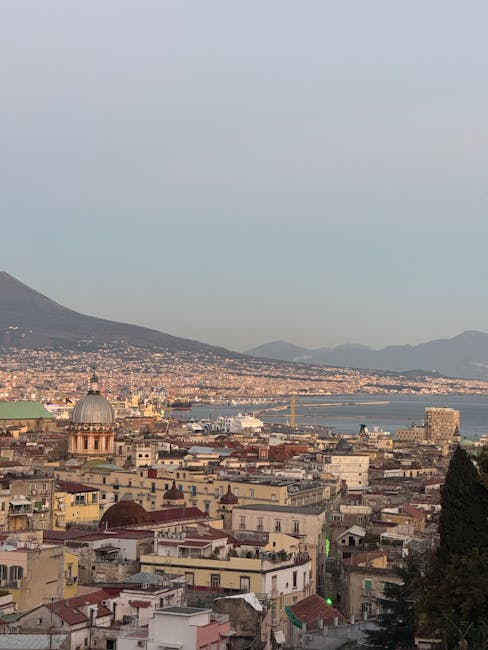
Immersive description: entering the gardens, you’re greeted by shaded paths, groves and viewpoints that open gradually onto the bay. In spring, flowerbeds are dotted with blooms and benches make a perfect spot for a picnic bought at the market. The walk gently climbs to belvederes where you can observe the port and the silhouette of Vesuvius, often wrapped in dramatic light at sunset.
Practical tips: combine a visit to Villa Floridiana with a stroll along Via Luca Giordano and the Vomero shopping streets. If you want to avoid stairs, take the Funicolare Centrale to Vomero station (single integrated network ticket: about €1.30). For photographers, the golden hour (late afternoon) is the best time when the bay warms to honeyed tones. Bring water and comfortable shoes: paths can be uneven.
Complementary activities: the Museo Duca di Martina sometimes hosts temporary exhibitions and thematic guided tours (check the museum calendar online). Nearby you’ll find cafés and small trattorie where you can try a caffè sospeso — the Neapolitan tradition of paying for an extra coffee for someone in need. Coffee prices in local bars: about €1–€1.50.
Conclusion: build your own secret Neapolitan itinerary
Exploring Naples off the beaten path requires curiosity, respect and a sense of urban adventure. The places featured in this guide — from the Cimitero delle Fontanelle to the Baroque staircases of Palazzo dello Spagnolo, from the lively Pignasecca market to the peaceful belvederes of Villa Floridiana — offer fragments of a multifaceted city where history and daily life intertwine. Each of these sites provides a different sensory experience: underground silence and reflection, market bustle, the poetry of inner courtyards and calming seaside views. Combining these elements will give you a nuanced picture of Naples, far from clichés.
Practice slowness: allow yourself time to wander, to listen, to ask questions of locals. Don’t hesitate to stop a seller or an artisan to learn a gesture or a recipe — Neapolitans are often proud to share their know-how. Carry cash for markets and small purchases, check site opening times (they can change due to local events) and favor daytime visits to make the most of the light and safety. Above all, respect places of worship and memorial spaces: some sites, like the Cimitero delle Fontanelle, call for quiet and respectful behavior.
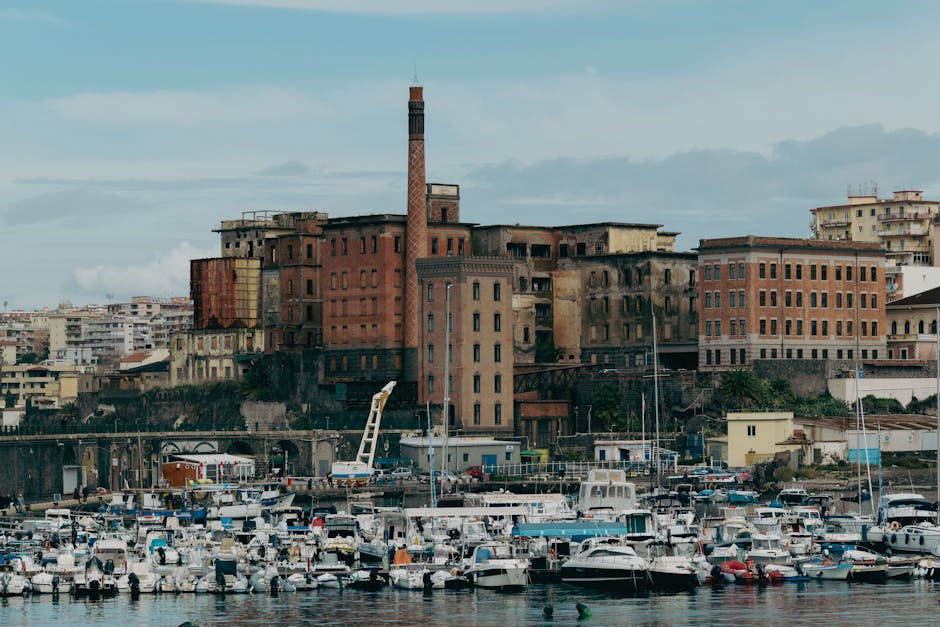
To extend your discovery, consider walks along the lungomare to Castel dell’Ovo (Via Eldorado, 3, 80132 Napoli NA) for a contrast between port industry and seascape; the funiculars linking Vomero to the city center are an experience in themselves (ticket €1.30). Four or five days in Naples will let you alternate themed visits, meals in locals’ homes, workshops and moments of observation. But even on a short stay, these addresses and tips will help you feel the authentic soul of Naples.
Ultimately, the best way to walk through secret Naples is to leave room for the unexpected: a half-open door, a conversation on a landing, a scent that leads you to a forgotten friggitoria. Take notes, capture images without invading private spaces, and remember that you’re visiting the everyday life of a city that lives, works and celebrates. Safe travels — or as Neapolitans say, buon viaggio e buon appetito!