





Introduction: Naples, the Harbor, the Sea and Fishing Traditions
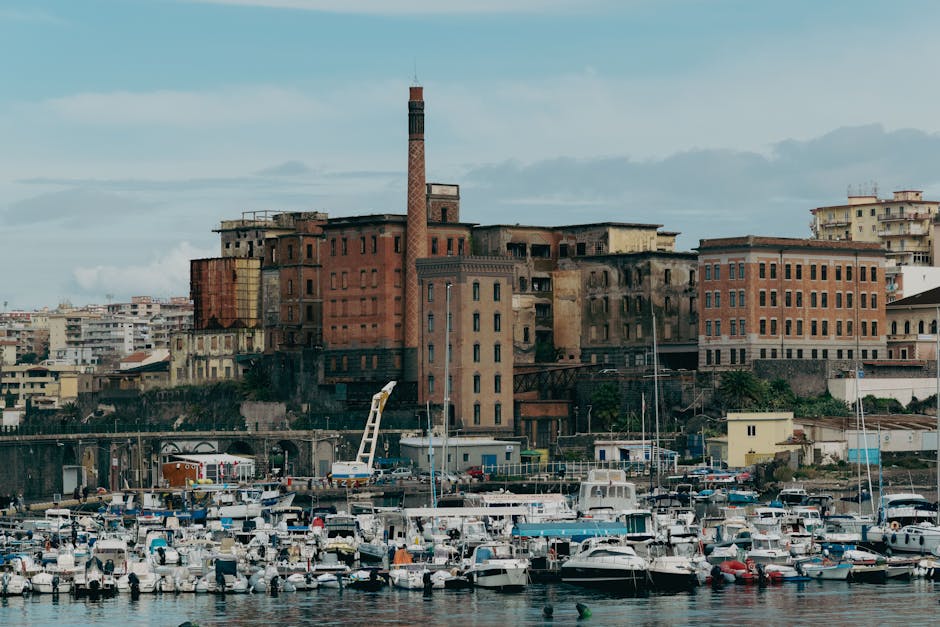
Naples is a city that carries the sea in its veins. From the historic center to the bay’s edges, Naples harbor is a hub for travelers, a living stage for maritime activity, and a guardian of age-old fishing traditions. The route I’m proposing focuses on the unique relationship between the city and fishing: trips at sea, fish markets, encounters with fishermen, and cooking workshops using fish caught that very morning. Following this trail you’ll discover landmarks like Molo Beverello, Borgo Marinari and Castel dell’Ovo, as well as lesser-known spots: local cooperatives, historic fishmongers and groups of fishwives who keep long-standing customs alive.
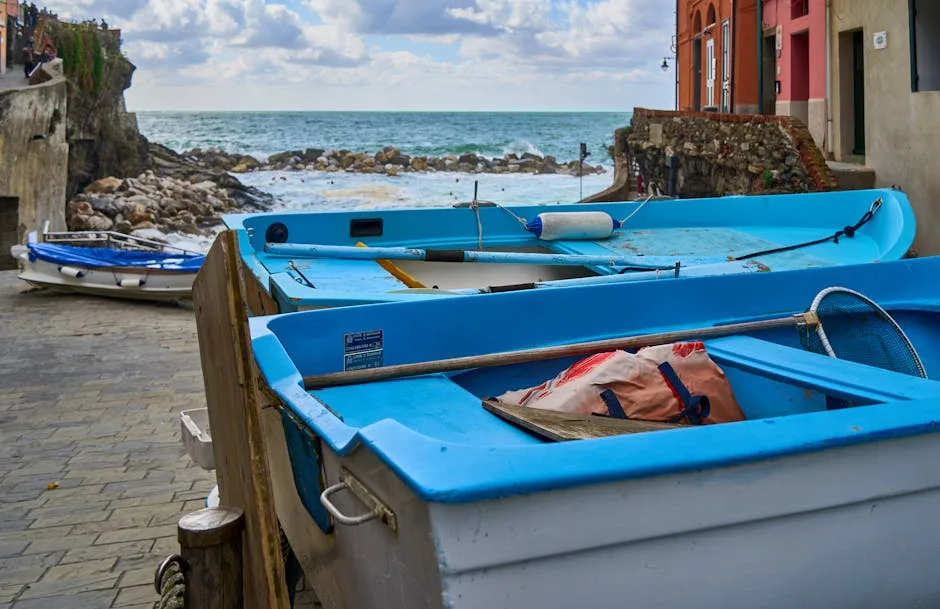
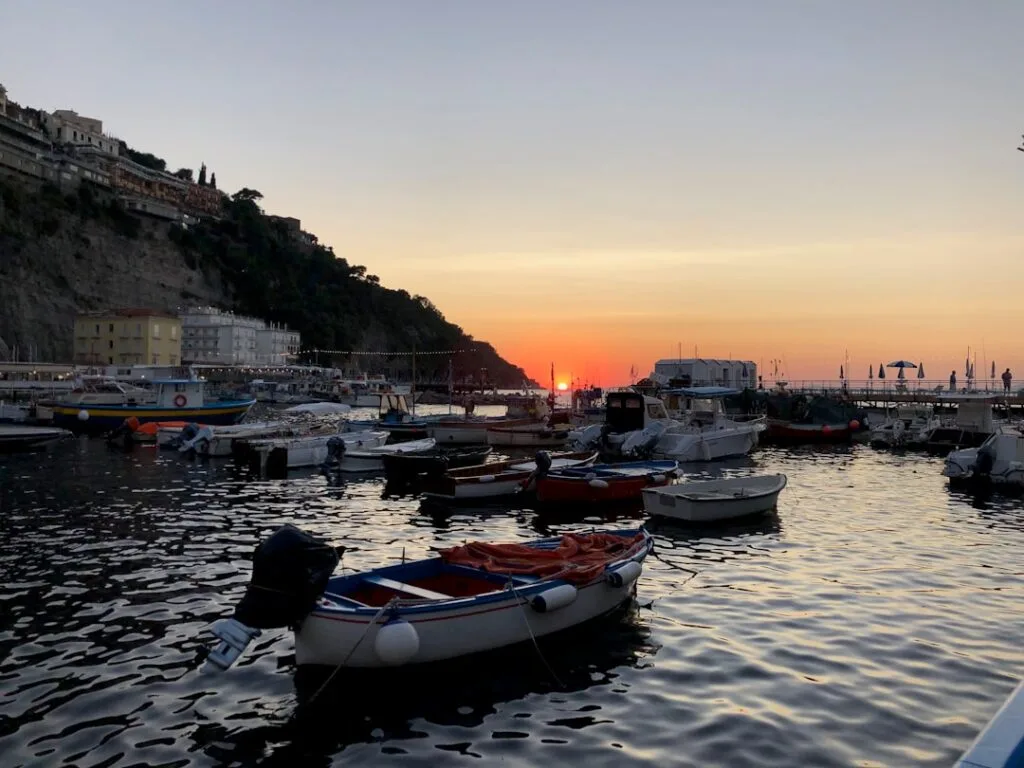
Fishing in Naples goes beyond the technical act: it’s a body of know-how, songs, shared gestures among families and friends, and recipes passed down through generations. Small boats called gozzi, nets drying in the sun, the smell of salt and fish, lively debates about the day’s catch — together they form a vivid scene best experienced by respecting the harbor’s rhythms. This itinerary is designed for travelers who don’t mind getting up early to witness the fish auction, those who love lingering by the seafront with a spritz facing Vesuvius in the evening, and food lovers eager to learn how to cook a traditional Neapolitan friggitoria dish.
I outline the key steps below, with full addresses, opening hours, approximate prices in euros, practical tips and safety recommendations. You’ll also find suggested activities offered by local cooperatives, how to rent or join a half-day fishing trip, where to buy extremely fresh fish, and which recipes to try or learn. Each place is described immersively: the atmosphere, colors and sounds. The aim is to help you plan an achievable 1–2 day route that can be adapted to your pace, how much you want to interact with fishermen, and your appetite for culinary experiences.
Before you begin, bear in mind that schedules in Naples can be fluid depending on season, weather and local religious festivals. The best times to experience harbor life are at sunrise for the auction and in the late afternoon for a stroll along Via Partenope. Finally, a respectful attitude toward the sea workers (don’t get in the way on the quays, ask permission before close-up photos, observe hygiene rules during cooking classes) will open more doors than anything else. Welcome to a salty, lively and generous Naples.
Getting Ready: Gear, Permissions and Trusted Contacts
To make the most of a fishing-and-harbor-themed itinerary in Naples, come prepared. Start with the gear: a waterproof windbreaker, non-slip shoes (the quays are often wet), a hat and sunscreen if you head out early, and thin gloves for handling ropes or nets during hands-on activities. If you plan to fish from the quay or hop on a local boat, always check with the cooperative or guide about provided equipment: most supply rods, bait and life jackets. For sea fishing, a recreational fishing license (licenza di pesca ricreativa) usually isn’t required for tourists fishing from the shore, but organized sea excursions run by local operators handle all administrative and safety aspects.
Useful addresses and contacts:
- Molo Beverello — Piazzetta Porto, 80133 Napoli NA. The starting point for scheduled boats and a lively scene: arrive from 07:00 to catch the morning activity. Note: there’s no single ticket office for the port itself (check each ferry company for timetables and fares to Capri/Ischia).
- Borgo Marinari — Via Pedirosa, 80132 Napoli NA. A small historic harbor next to Castel dell’Ovo, perfect for meeting local fishermen and booking a gozzo trip. Open access 24/7; restaurants generally open 11:00–23:30 depending on season.
- Mercato Ittico di Porta Nolana — Via Porta Nolana, 80137 Napoli NA. Traditional fish market: very early opening hours, typically 04:00–12:00 Monday to Saturday (closed on Sundays for the auction). Expect to arrive before 08:00 for the best catch. Indicative prices: gilt-head bream 12–20 €/kg, mussels 3–6 €/kg, small fry for frying 6–10 €/kg.
- Cooperativa Pescatori Borgo Marinari — Via Borgo Marinari 7, 80132 Napoli NA. Contact point for sea outings and workshops. Office hours: 09:00–13:00 and 16:00–19:00. Trip rates: roughly 50–90 € per person for a half-day (morning), depending on group size.
Practical tips:
- Carry cash: many market transactions are still done in cash. Budget 50–150 € depending on purchases.
- Book sea outings at least 24–48 hours in advance, especially in summer.
- If you want to join the auction or buy retail, arrive very early (between 04:30 and 07:30).
- Check marine weather via the Ministry of Infrastructure or local forecasts: strong winds can make the sea rough and cancel trips.
Day 1: From Molo Beverello to Borgo Marinari — Historical Immersion and First Catches
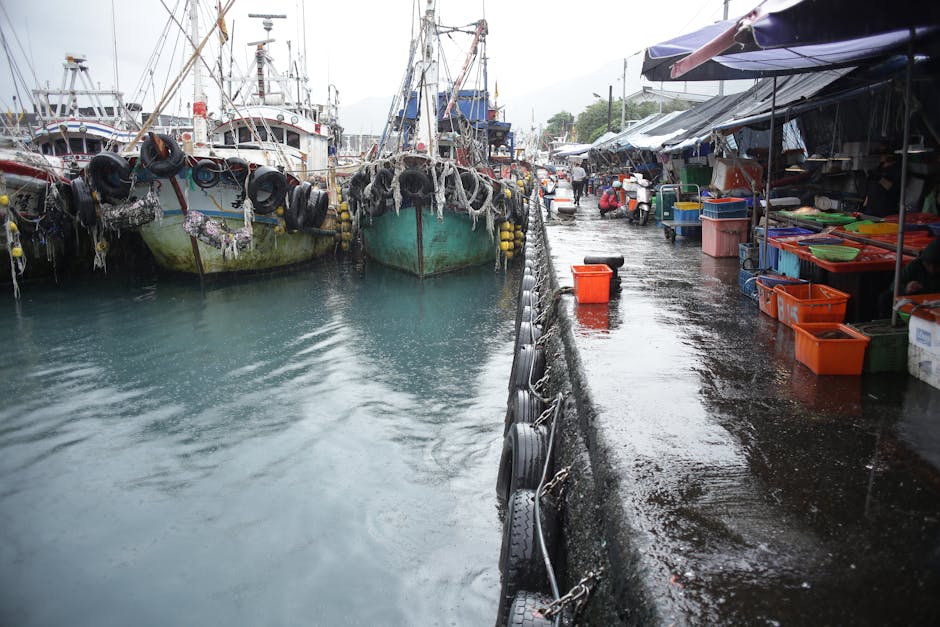
Start your first day at Molo Beverello (Piazzetta Porto, 80133 Napoli NA) at dawn. The port wakes up with last-minute arrivals and departures to the islands. Stroll the quays to watch traditional fishing boats and modern hydrofoils, and grab a coffee at a local bar before heading to Borgo Marinari. From Molo Beverello, walk about 15–20 minutes along Via Partenope southwest to Borgo Marinari (Via Pedirosa, 80132 Napoli NA). The walk offers spectacular views of the gulf, Vesuvius and the colorful façades of Neapolitan palaces.
At Borgo Marinari, arrange a trip with the Cooperativa Pescatori Borgo Marinari for a short gozzo excursion: this traditional Neapolitan boat is ideal for approaching the coast, setting traps and learning how to read the sea. Address: Via Borgo Marinari 7, 80132 Napoli NA. Typical meeting times: 06:30–09:30 for morning outings. Indicative price: 50–90 € per person for 3–4 hours depending on route and season. Onboard, the captain will explain local fishing techniques: hooks, bottom lines and crab pots. You’ll be able to take part in the work, handle maneuvers and sometimes haul in the day’s catch — a highly instructive and very photogenic experience.
After time at sea, have lunch or dinner at Ristorante La Cantinella (Via Mergellina, 31, 80122 Napoli NA) or pick a friggitoria in Borgo Marinari: fried small fish (frittura di paranza) from 8–15 € a portion. If you prefer a cultural interlude, visit nearby Castel dell’Ovo (Via Eldorado, 3, 80132 Napoli NA): the grounds are free to access; exhibitions may charge (4–8 €). The castle is a great vantage point for photographing the harbor and bay in the late afternoon.
Suggested times:
- Molo Beverello: active all day but best in the morning (06:00–10:00).
- Borgo Marinari / Cooperativa Pescatori: morning trips 06:30–09:30, cooperative reservations 09:00–19:00.
- Castel dell’Ovo: 09:00–19:00 (seasonal variations); exhibition fees 4–8 €.
Local tips:
- Bring a jacket for the boat: even in summer the breeze can be cool.
- Respect marked zones and fishermen’s instructions, especially near nets or traps.
- If you want to take your fish home, ask for an insulated bag or use ice available at the market.
Day 2: Morning Fishing, Porta Nolana Market and Cooking Workshops
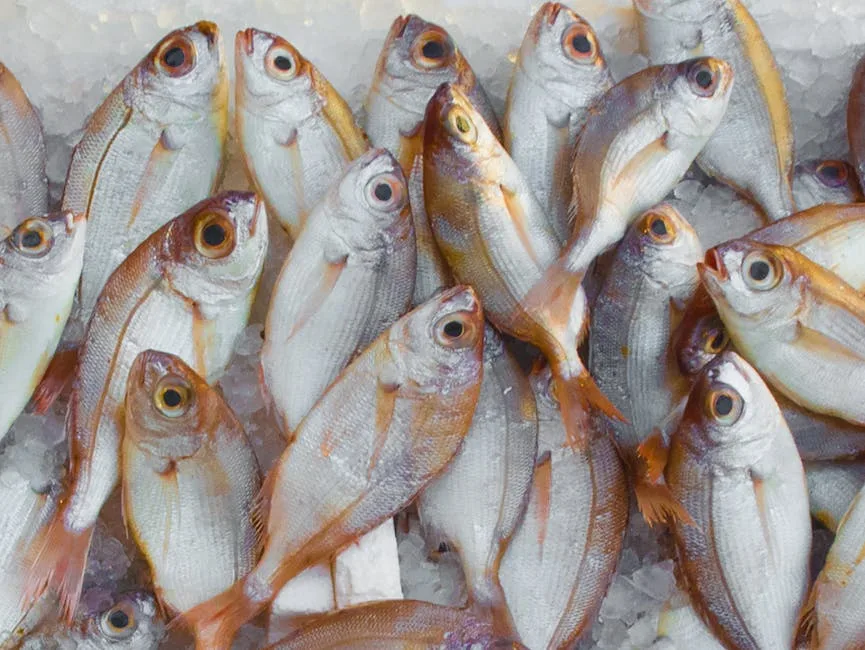
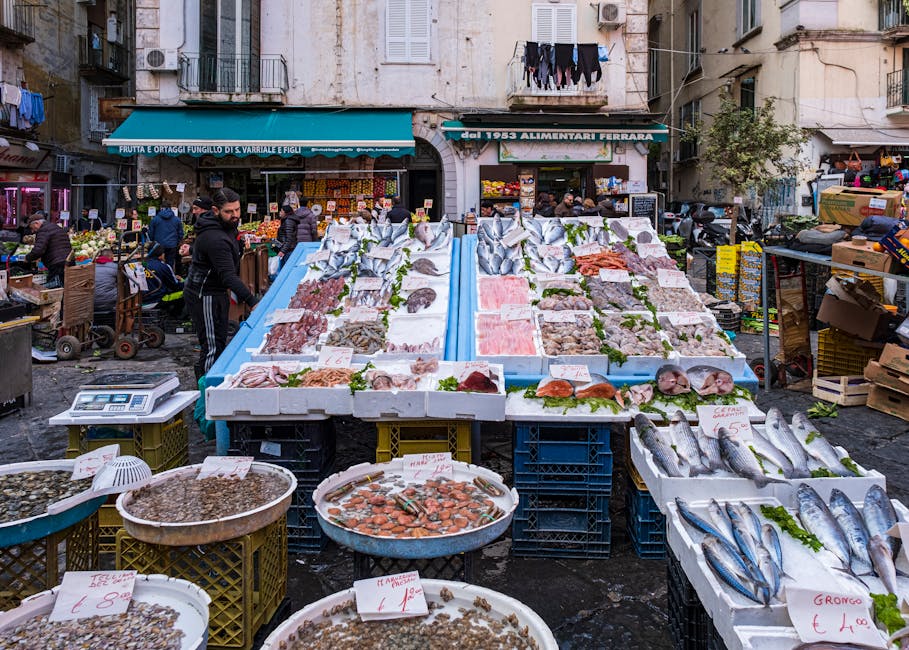
On day two, set your alarm early to get to the Mercato Ittico di Porta Nolana (Via Porta Nolana, 80137 Napoli NA). This is where the most authentic wholesale and retail trading happens: auctions, bargaining and nets full of silver fish. The market opens very early — generally between 04:00 and 07:00 — and winds down around noon. Exact location: Via Porta Nolana, bordering the central train station (stazione ferroviaria Napoli Piazza Garibaldi). If you miss the auction, you can still find good stalls until midday. Indicative prices: orata (gilt-head bream) 12–20 €/kg, merluzzo (cod) fresh or dried prices vary, alici (anchovies) 8–14 €/kg, shellfish (mussels, clams) 3–8 €/kg.
After the market, head to a traditional fish shop or a cooking workshop. Several restaurants and associations run classes focused on Neapolitan seafood cuisine. Example: Associazione Cucina del Mare Napoli, located at Via Partenope 10, 80121 Napoli NA — workshops run 10:30–13:30 and 16:00–19:00, costing 45–75 € per person depending on the format (demo + tasting or hands-on class). You’ll learn to prepare a frittura di paranza, a crudo di mare (marinated raw seafood), or pasta con le vongole (spaghetti with clams) using fish bought at the market that morning.
Alternative activity: if you prefer the sea to the kitchen, book an offshore fishing trip with professional fishing crews. Indicative contact for booking: Escursioni e Pesca Amalfi Napoli, via Amerigo Vespucci 25, 80133 Napoli NA (book 24–48h in advance). Duration: half-day (4 hours) or full day (8 hours). Rates: 70–120 € per person for a half-day, 120–200 € for a full day. These trips teach longline fishing, trolling or using traps for crustaceans, and crews often prepare the catch for you at the end.
Tips:
- Bring an insulated bag and some cash to the market; polite bargaining is normal but do so respectfully.
- If you attend a workshop, disclose allergies and dietary restrictions when you book.
- For sea fishing, confirm the boat has enough life jackets and passenger insurance.
Encounters, Traditions and Local Recipes: Understanding Harbor Culture
Beyond places and timetables, the heart of this itinerary lies in the encounters. Neapolitan fishermen may be taciturn, but they’re willing to share their knowledge if you show curiosity and respect. Tales of unbelievable catches, local names for fish, and the songs hummed while handling nets — there’s an oral culture tied to the sea. Several local initiatives create structured opportunities for meeting people:
- Themed guided tours: run by local associations, typically 2–3 hours and costing around 15–30 € per person. These tours cover the port’s history, fish processing and visit the Mercato Ittico and historic quays.
- « From net to table » workshops: combine a morning fishing session, a market visit and a cooking class. Prices: 60–120 € depending on the package and whether a meal is included.
- Participation in the fish auction: sometimes possible in small groups on request to market managers, very early (04:00–08:00). Free or symbolic fee depending on coordination.
Recipes to know and taste:
- Frittura di paranza — a mix of small fried fish: portions 8–15 € depending on size and venue (friggitorie and trattorie near the port).
- Spaghetti alle vongole — fresh pasta with clams, 10–18 € at restaurants; a Neapolitan staple that showcases product freshness.
- Crudo di mare — the Neapolitan take on raw seafood, often marinated in lemon and olive oil: 12–25 € depending on the selection.
Recommended places to eat and learn:
- Trattoria Da Nennella (Quartieri Spagnoli, Vico Lungo Teatro Nuovo 103/104, 80134 Napoli NA) — popular atmosphere, traditional seafood dishes, service 12:00–15:00 and 19:00–23:00; average price 15–25 € per dish.
- Friggitoria Vomero (Via Scarlatti 34, 80129 Napoli NA) — for an authentic friggitoria experience; open 11:00–22:00; portions 5–12 €.
Ethics and sustainability:
Ask fishermen about their catch methods: spawning seasons, minimum sizes and quotas. Many local cooperatives commit to sustainable fishing practices; favoring these actors helps support responsible fisheries. When buying fish, ask about its origin (Gulf of Naples, Ischia, Cilento) and choose local, seasonal species.
Practical Tips and Useful Info for a Great Stay
Transport and access:
- Arriving by train: Napoli Centrale station (Piazza Garibaldi, 80138 Napoli NA) is a 10–20 minute walk to the harbor depending on your arrival point (Molo Beverello or Borgo Marinari).
- Bus and metro: Municipio station (Metro Line 1) provides access to the seafront and Castel Nuovo; trams and buses serve Via Marina and Molo Beverello. Urban ticket (biglietto urbano) about 1.10 € for 90 minutes.
- Parking: the harbor has paid parking, but in high season it’s better to avoid driving and use public transport or taxis (city fares 6–12 € depending on distance).
Safety and health:
- Follow fishermen’s and guides’ safety instructions at sea. Life jackets must be worn onboard.
- If you’re offered raw fish, ask if it was properly chilled and handled hygienically. At-risk travelers (pregnant people, immunocompromised) should avoid raw seafood.
- Beware of pickpockets in busy tourist areas like Molo Beverello and the train station: keep belongings close and secure.
Best times to visit:
Spring (April–June) and autumn (September–October) offer ideal conditions: pleasant temperatures, calmer seas than winter and less crowding than peak summer. Some fisheries are seasonal (tuna, mullet); check with cooperatives for the best time to observe or fish for a particular species.
Language and communication:
Most fishermen speak Italian and the Neapolitan dialect; many guides and operators speak English or French, but learning a few phrases in Italian helps: « Buongiorno », « Posso fotografare? », « Quanto costa? » are good starters. Show respect for traditions: curiosity and politeness are well received.
Conclusion: Take the Spirit of Naples Harbor Home With You
This fishing-and-traditions route around Naples harbor is more than a list of spots to visit: it’s an immersion into a way of life. In just a few days you can move from the bustling quays of Molo Beverello to the quiet lanes of Borgo Marinari, board a gozzo for a half-day, experience the buzz of the Mercato Ittico di Porta Nolana and join a cooking workshop where freshly caught fish becomes a shared meal. The addresses and times provided will help you plan precisely: get up early for the auction (04:00–08:00), book sea trips 24–48 hours ahead, and budget for workshops (45–120 € depending on format) and market purchases (cash recommended).
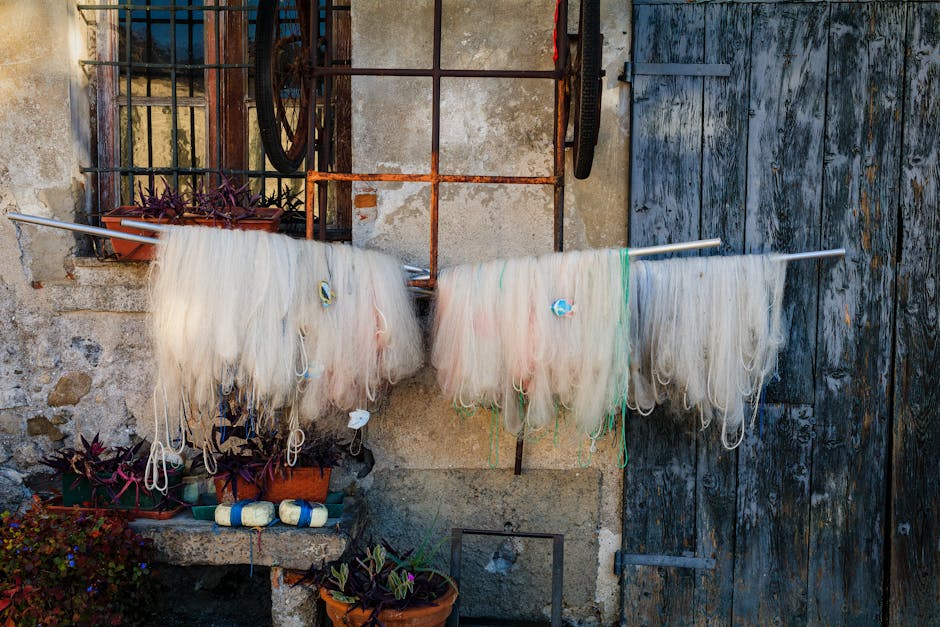
More importantly, be guided by curiosity and patience. Naples’ fishermen may seem reserved, but they’ll often share a story, a technique or a recipe if you show respect for their work. Take the time to savor a frittura di paranza by the sea, watch nets drying in the sun and listen to sailors who know every current in the bay. Bring back tangible memories: a sunrise photo over the Gulf, a handwritten recipe from a fishmonger, the lingering scent of salt and frying on your clothes — small tokens that keep the experience alive long after you leave.
Finally, contribute positively to the sustainability of these traditions: favor responsible cooperatives, respect fishing seasons and support local artisans. Each euro spent in the harbor, every workshop you take and every conversation you start helps keep these centuries-old practices alive. Naples, with its sea and its people, offers an authentic, rich experience; go prepared, keep an open heart, and you’ll return changed by the quiet strength of harbor life.