





Introduction
Naples is a city where the sacred and the everyday blend together on every corner. At the heart of this southern metropolis beats the cult of San Gennaro, the city’s patron saint, whose fame reaches far beyond Italy. The legends surrounding San Gennaro — from the miracle of the liquefying blood to the relics kept for centuries — are woven into the very soul of Naples. Exploring these stories reveals not only acts of popular faith, but also an artistic, social and political history that helped shape the city.
This article offers an immersive, historical and practical deep dive into the legends of San Gennaro and the other saints to whom Neapolitans give special devotion. We’ll visit the key sites: the Cattedrale di Santa Maria Assunta (Duomo di Napoli), the Cappella del Tesoro di San Gennaro, the Museo del Tesoro di San Gennaro, the Catacombe di San Gennaro, and a few lesser-known churches and chapels where popular piety appears through votive offerings, ex-voto and processions. Each place is described with its exact address, opening hours, typical prices, and local tips to experience it respectfully and memorably.
Throughout the article you’ll find practical information — how to attend the miracle, when to visit to avoid the crowds, what to look for in the goldsmithing treasures, and how to read the signs of Neapolitan devotion. The legends are not just stories: they take shape in objects (reliquaries, sacred ampoules, paintings), in rites (processions, solemn Masses) and in the urban fabric (streets, squares and chapels). Understanding San Gennaro also means understanding layers of Naples’ history: Antiquity, the Middle Ages, Spanish rule and popular revolts.
Finally, the article gives concrete advice for visiting these sites (best time of day, tickets to book, behaviours to adopt), price benchmarks in euros, and suggestions to extend your discovery with local food or a stroll through historic neighborhoods. Whether you’re a pilgrim, an art lover, a history buff or a traveller in search of emotion, this guide will walk you step by step into a full immersion in the legends of San Gennaro and the saints of Naples.
The Cattedrale di Santa Maria Assunta (Duomo di Napoli) and the Cappella del Tesoro di San Gennaro
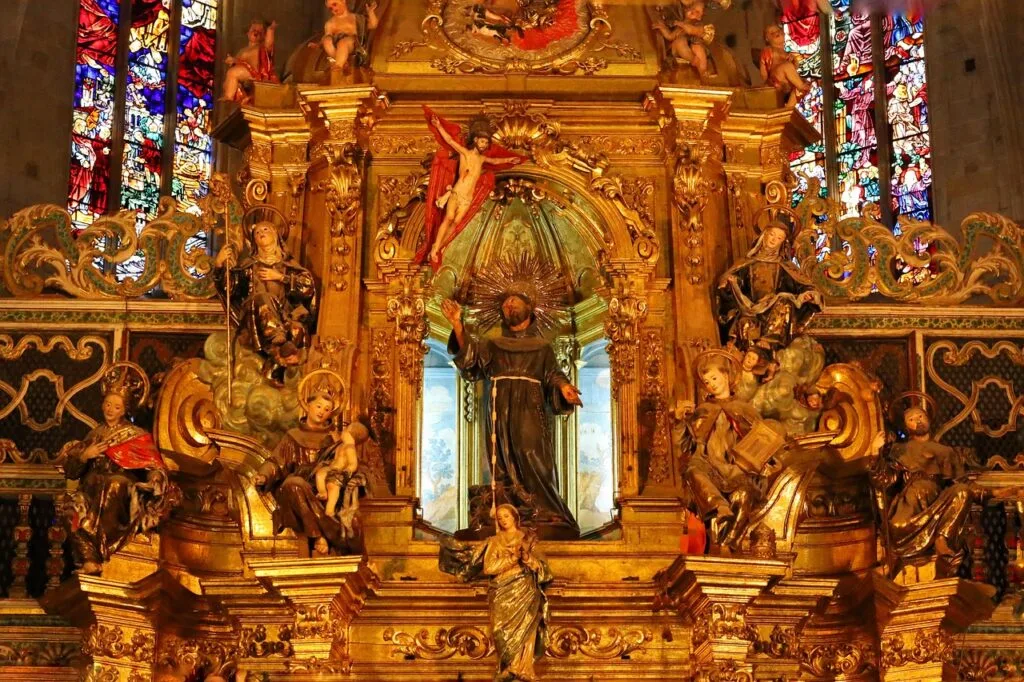
The Cattedrale di Santa Maria Assunta, commonly known as the Duomo di Napoli, is the official center of San Gennaro’s cult. Address: Piazza del Duomo, 80138 Napoli NA, Italy. This is where the famed Cappella del Tesoro di San Gennaro is located and where the liquefaction of the saint’s blood is celebrated at every public appearance. The Duomo, with its mixed architecture combining Gothic, Baroque and neoclassical elements, can be visited freely; entry to the cathedral is free, but the chapel and the associated museum require a ticket.
Opening hours (subject to seasonal changes): Duomo di Napoli is usually open from 7:30 to 19:30; the Cappella del Tesoro di San Gennaro and the Museo del Tesoro often open between 9:00 and 18:00 (ticket desks may close in the late afternoon). Price indications: Museo del Tesoro di San Gennaro around €9 (full price), and guided visits to the Cappella typically cost about €5–€8 depending on the option. Religious services (Masses) are free; check the schedule for Sunday and special solemn Masses on the official site or at the Duomo entrance.
The experience is both visual and sensory: mosaics, frescoes, vaulted ceilings and a treasury of goldsmithing (diadems, chalices, jewel-encrusted reliquaries) tell of devotion across generations. The Cappella del Tesoro houses the reliquary that contains the vial of blood attributed to San Gennaro. In the chapel, Neapolitans light candles, hang ex-voto (plaques or small silver representations) and pray for personal intentions — healings, safety, prosperity. The ex-voto items illustrate popular devotion and often the artistic creativity of those who bear witness to favors received.
Practical tips: arrive early in the morning to visit the chapel before the crowds, or book a skip-the-line ticket if you’re visiting in high season. Respect silence during services and observe dress codes (shoulders and knees covered in liturgical spaces). If you want to photograph the interior, ask permission: some areas may prohibit flash or photography.
The Miracle of San Gennaro’s Blood: dates, rituals and interpretations
The best-known miracle linked to San Gennaro is the liquefaction of his blood. According to tradition, the vial holding a fragment of the saint’s blood liquefies at certain times of the year, sparking joy and prayer among the faithful — and sometimes concern if the liquidification does not occur. The three main occasions are: the first Saturday in May (commemorating the translation of the relics), September 19 (San Gennaro’s feast day), and December 16 (the anniversary of his martyrdom or other historical events associated with him).
The rite is public and solemn: opening the chapel and exposing the vial is accompanied by clergy and often civil authorities. The faithful crowd in and pray, sometimes singing litanies. Psychologically and sociologically, the miracle serves as a communal glue: it creates moments of collective communion, strengthens Neapolitan identity and becomes a symbol of hope in times of crisis. Historically, instances when the blood did not liquefy have sparked political and religious interpretations, giving the rite significance beyond purely religious spheres.
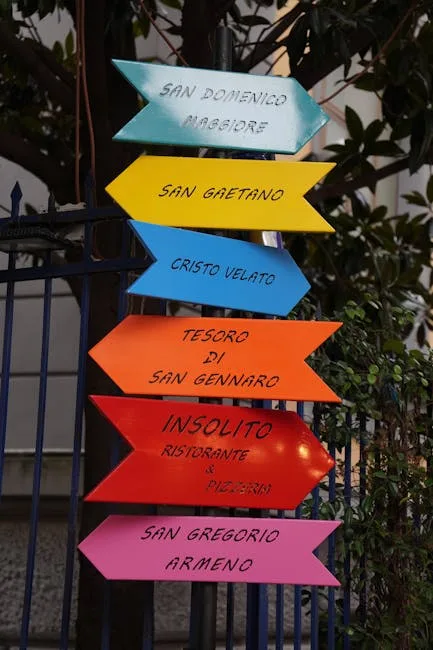
Practical tips for attending: if you want to experience the event, plan your trip around September 19 (major feast day, large crowds) or the first Saturday in May for a more solemn vibe. Expect heightened security and regulated access; arrive several hours early if you want a spot near the chapel. For a more intimate encounter, prefer an ordinary daily Mass or a visit outside miracle days. Above all, follow local rules: remain quiet, avoid pushing and don’t carry bulky items into procession areas.
Catacombe di San Gennaro and other sites of saintly memory
The Catacombe di San Gennaro provide a striking contrast to the Baroque splendor of the Duomo. Address: Via Capodimonte, 13, 80136 Napoli NA, Italy. These catacombs, located on the northern slope of the city, bear witness to early Christianity in Naples and contain frescoes, tombs and sarcophagi dating back to the first centuries AD. Hours: typically 9:30–13:00 and 14:30–18:00; weekly closures vary (check ahead). Price: guided visits around €10 per person. Tours are almost exclusively guided for conservation reasons.
Descending into the catacombs is an immersive experience: dim light, narrow corridors, palimpsest inscriptions. You’ll also see traces of San Gennaro’s early cult, with funerary chapels dedicated to bishops and local martyrs. The catacombs help explain the continuity of the saint’s cult from Antiquity to the present, and how the memory of martyrs shaped Naples’ religious landscape.
Other stops: Chiesa di San Gennaro all’Olmo (in the Spaccanapoli neighborhood) and Chiesa di San Gennaro extra Moenia are good options for those who want to explore popular devotion in its most concrete forms — ex-voto, statues carried in procession, and small confraternities. These churches are in the historic center; during Mass times you can often witness local services where popular fervor is expressed openly.
 Click here to book your guided tour of the Catacombs of San Gennaro

Practical tips: in the catacombs wear closed shoes and bring a light jacket; temperatures are cool and humidity is high. Follow the guide’s instructions: don’t touch frescoes and avoid using flash. For small churches, stay discreet during services and avoid group visits during major liturgical times.
The Museo del Tesoro di San Gennaro and the art of devotion
The Museo del Tesoro di San Gennaro, located at the same address as the Duomo (Via Duomo, 149, 80138 Napoli NA, Italy), preserves part of the treasure amassed around the saint’s cult: jewelry, vestments, precious ex-voto, paintings and historical documents. Hours: often 9:00–19:00; price: around €9 for full entry, with reduced rates for students and seniors. The museum allows you to contemplate the material wealth tied to devotion and to understand the political and social dimension of collecting offerings over the centuries.
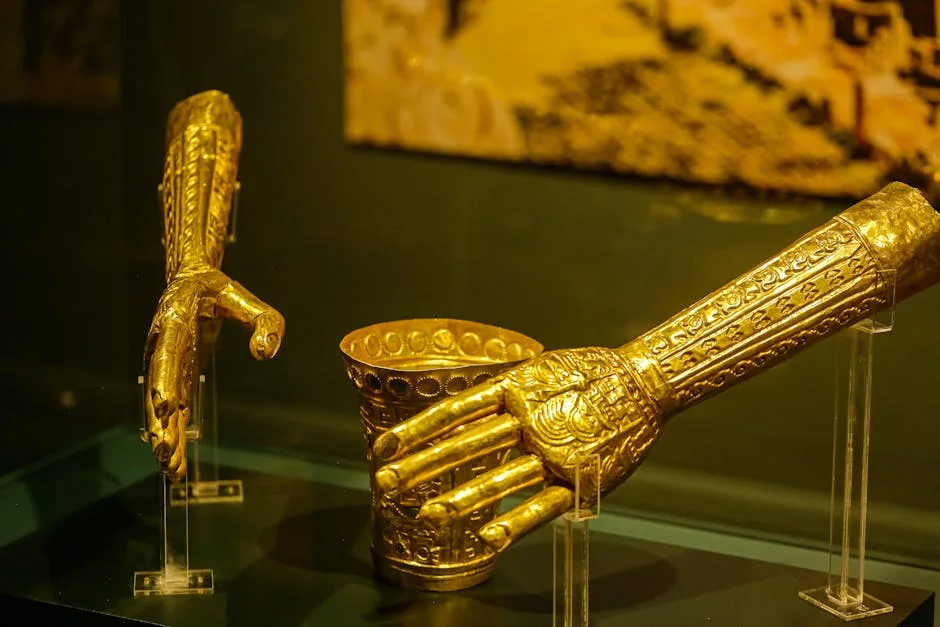
Notable pieces include diadems donated by the nobility, decorated armors, and paintings by major Neapolitan artists who immortalized the saint in miracle scenes. The display highlights the tension between the intimate (metal ex-voto representing healed body parts) and the spectacular (sumptuous goldsmithing offered by elites and institutions). The museum sometimes offers audio guides and themed tours (history, sacred art, restoration), useful for digging deeper into the layers of meaning.
Practical tips: combine the museum visit with the Cappella tour to get a complete picture of the cult. Buy tickets online in high season to skip lines. The museum has a small shop where you can buy books and reproductions; favour local editions to support cultural conservation.
Processions, festivals and tips for travellers
Processions honoring San Gennaro and other saints are moments where past and present meet. Local festivals often involve religious confraternities, marching bands and street food stalls. In particular, the September 19 celebration is the most important: expect a city buzzing with activity, street closures, many devotees and wide media coverage.
Practical tips:
- Transport: the Duomo is within walking distance of the Duomo (Line 1) metro station. The catacombs usually require a taxi or a bus from the historic centre (local line towards Capodimonte).
- Safety: keep your belongings close in crowded festivals; avoid heavy bags during processions.
- Dress: be respectful in places of worship: shoulders and knees should be covered.
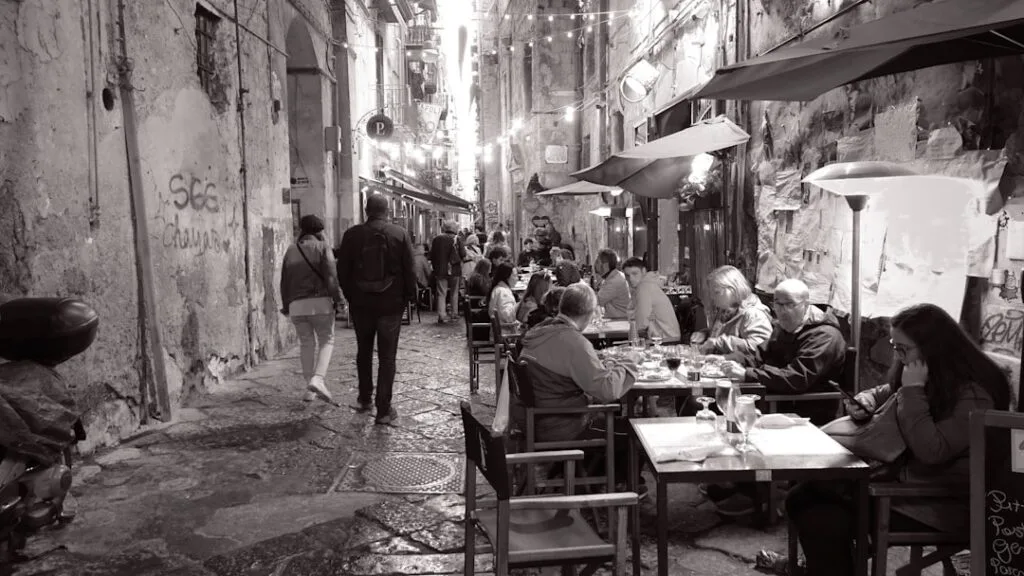
- Food: take a break at a local trattoria to enjoy Neapolitan pizza or a sfogliatella between visits.
- Language: a French-speaking guide or an audio guide in your language can improve understanding of the historical and liturgical context.
Conclusion
Diving into the legends of San Gennaro in Naples means immersing yourself in a city where sacred memory is written on walls, in objects and on faces. From the Baroque splendor of the Cappella del Tesoro di San Gennaro to the millennia-old silent spaces of the Catacombe di San Gennaro, each site tells a slice of Neapolitan history: fears, hopes, revolts and loyalties. Museums and treasures offer an artistic angle to understand how faith materialized into goldsmithing, paintings and jewelry; processions and festivals reveal the vitality of a community that continues to define itself around its saints.
For the traveller, this discovery requires time, respect and a bit of planning: check opening hours, book tickets for museums and the catacombs, find out the dates of the miracle events and, above all, stay open to the human experience. The legends of San Gennaro are more than historical anecdotes; they live on and are reinvented by each generation. Leaving Naples, you take away more than images: a deeper understanding of a city where the sacred is everyday language, a lens through which to read history and a driver of collective identity.