





Introduction
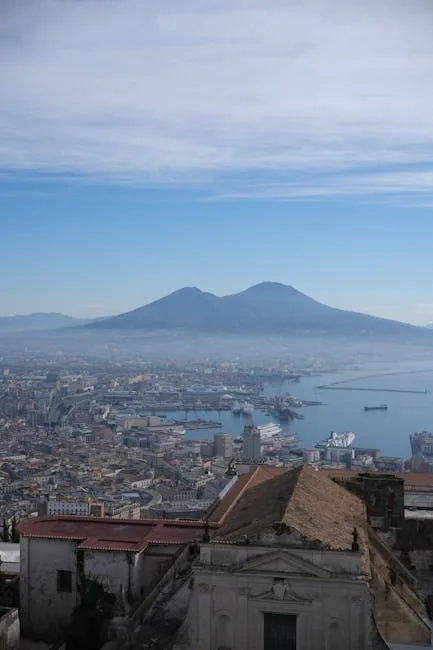
Naples beats to the rhythm of the Mediterranean: scents of spices and pizza dough, narrow streets humming with history, sweeping views over the bay and the looming silhouette of Vesuvius watching over it all. Just a few kilometres away, two headline attractions — the ruins of Pompeii and Mount Vesuvius (Vesuvio) — offer a dramatic dive into the past and a living geological spectacle. The question « When to go? Best season for Pompeii/Vesuvius » isn’t just about picking a month on the calendar: it involves weather, crowds, light for photography, opening hours, trail conditions and how well you cope with heat or cold. Choosing the right time can completely change the experience: visiting Pompeii in gentle spring light or in autumn when crowds thin is a very different experience from a summer day when the ruins bake under an intense sun and queues stretch for hundreds of metres.
In this post, anchored in the context of Naples, we’ll break down the best seasons to visit Pompeii (Parco Archeologico di Pompei) and Vesuvius (Parco Nazionale del Vesuvio). You’ll find practical details: exact addresses, indicative prices in euros, opening hours, tips on getting there from Napoli, ideas to optimise your visit, recommended gear and tricks to avoid crowds or extreme heat. Whether you’re a photographer chasing golden light, a hiker aiming for the Gran Cono, or a family after an enjoyable cultural day out, you’ll get concrete recommendations to plan your itinerary.
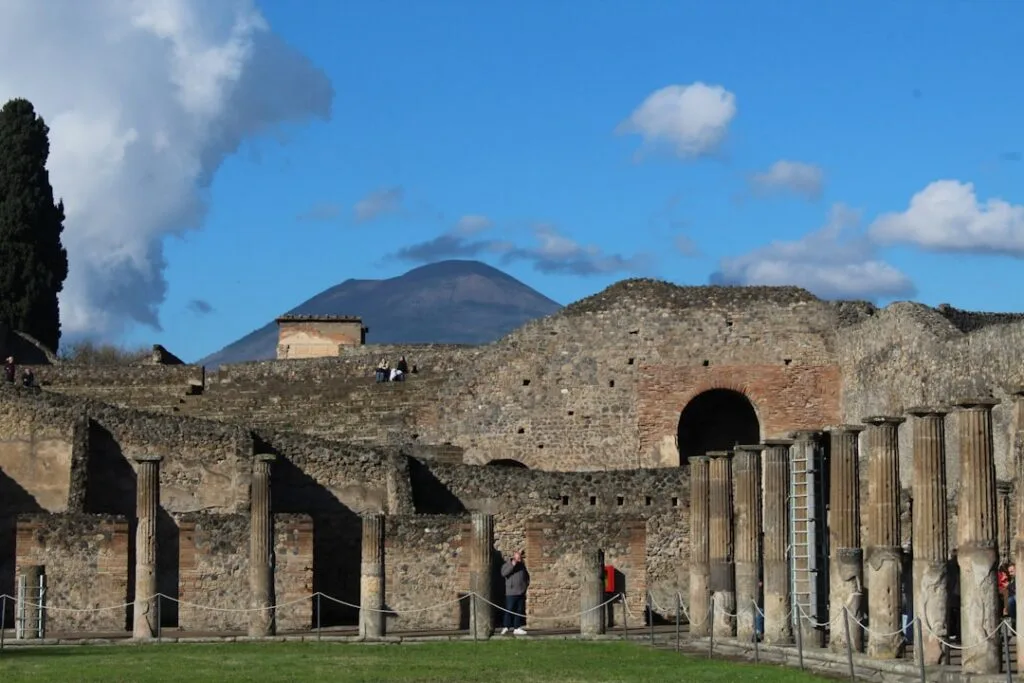
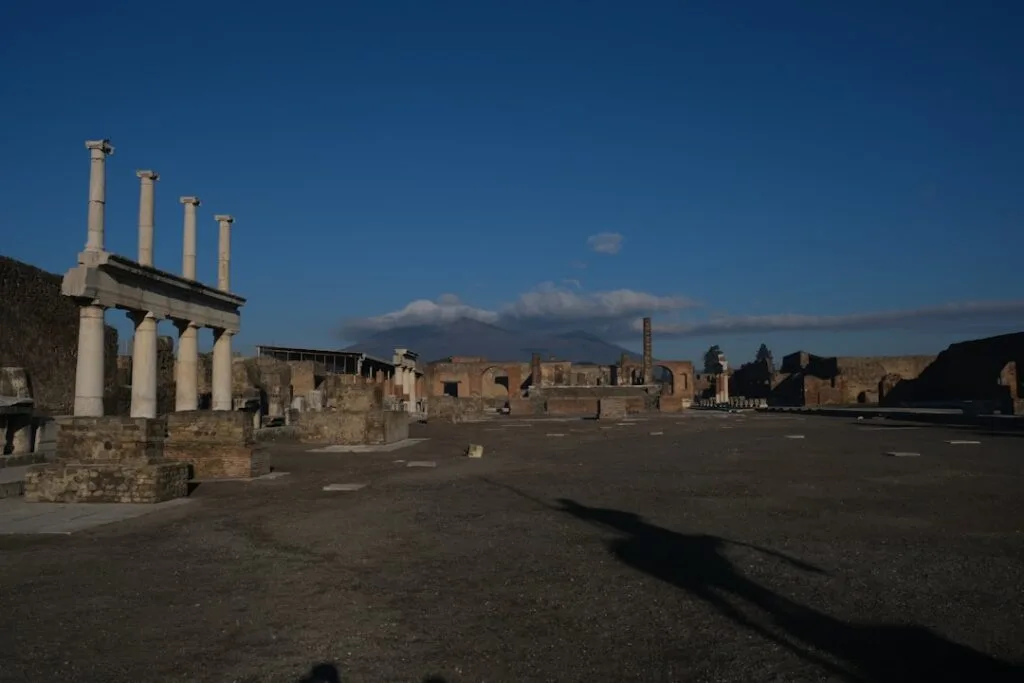
We’ll also give visual cues to help you picture each moment: panoramas from the Vesuvius summit, colourful mosaics in the Casa del Fauno in Pompeii, the Via dell’Abbondanza at dawn, the Roman theatre kissed by morning light. Prices and hours shown are recent, but you should always double-check official pages before you travel: rates and opening times change with the season, public holidays or maintenance work. Finally, we’ll cover safety tips — how to handle strong summer sun, which shoes suit volcanic trails, and the best transport options to avoid delays from Napoli Centrale.
 Click here to book a day trip to Pompeii and Vesuvius
When to Go — Overview and Key Factors
Picking the best season for Pompeii and Vesuvius depends on several practical factors: climate (temperature, rain), tourist pressure, quality of light for visits and photos, accessibility of Vesuvius trails, and available services (shuttles, tickets, guided tours). Here are the main points to weigh up when deciding the ideal time.
Climate: Naples and the Campania region enjoy a Mediterranean climate. Summers (June to August) are hot and dry, with highs often above 30 °C in Naples and sometimes 35 °C at the foot of Vesuvius and in Pompeii where the stone soaks up the heat. Winters (December to February) are relatively mild compared with northern Europe, with lows sometimes around 5–8 °C and shorter, wetter days. Spring and autumn bring milder temperatures that are pleasant for walking.
Crowds: Pompeii is one of Italy’s most visited archaeological sites. Crowds peak in high season (July–August) and around Easter. Queues at the main entrances (Porta Marina Superiore, Via Villa dei Misteri) can last 30 minutes to over an hour if you arrive without tickets. Vesuvius sees concentrated weekend and summer traffic: many people climb the Gran Cono around midday when temperatures are at their highest.
Photography and light: soft morning and evening light (golden hour) transforms Pompeii’s mosaics and the panoramic views from Vesuvius. For dramatic crater and bay shots, aim for dawn or sunset — warmer colours and longer shadows bring volcanic reliefs to life.
Accessibility: some Vesuvius paths can be closed for maintenance, bad weather or safety reasons. In winter visibility can be reduced by fog or rain; in summer you’ll need water and sun protection. Check official shuttle schedules (when they operate) and entry procedures for the Parco Archeologico di Pompei: there are several entrances (Porta Marina Superiore – Via Villa dei Misteri) with nearby stations (Pompei Scavi – Villa dei Misteri on the Circumvesuviana line).
Practical tip: if your schedule is flexible, target mid‑April to mid‑June and September to October. You’ll get a solid balance of pleasant weather, good light and moderate crowds. Book tickets in advance — especially for Pompeii — and set off early for Vesuvius to avoid heat and to enjoy often better visibility.
Spring (April, May, early June): the top recommendation
Spring is generally the best time to combine a visit to Pompeii with a hike up Vesuvius from Naples. Temperatures are mild, vegetation comes back to life around the volcano, and the light is ideal for long walks without the exhaustion caused by summer heat. Days are also long enough to fit both sites into one day if you schedule wisely.
At Pompeii, spring temperatures usually range from 15 to 23 °C. Terraces, gardens and mosaics — like the famous Casa del Fauno (Casa del Fauno, Via del Foro, 7) — catch light in a way that reveals colour and texture: the reds of stucco, mosaic tesserae and column reliefs. The official address of the archaeological park is Parco Archeologico di Pompei, Via Villa dei Misteri, 2, 80045 Pompei NA, Italy. Typical opening hours are often 09:00–19:30 (last entry usually around 18:00), but in low season these times can be earlier; always check the official site before you go. The recent standard ticket price is around €16.00; discounts exist for youth, students and certain categories (see the official site for details).
For Vesuvius, spring brings trails that are usually not muddy (unlike sometimes rainy autumn) and excellent visibility. The main access point for visitors is typically listed as Parco Nazionale del Vesuvio with various car parks and trailheads around Ercolano / Torre del Greco. Many visitors approach from Ercolano via the S.S. 268 road and other access points at the volcano’s base. Access fees vary: some years the trail to the crater requires payment (roughly €10.00 per person for guided ascent or access), sometimes complemented by an optional shuttle service (~€3–5). Crater access hours are generally 09:00–17:00 off‑season and longer during high season.
Practical spring tips:
- Book early for Pompeii online to avoid queues; aim to arrive at opening time to enjoy the site with far fewer people.
- Dress in layers: cool mornings, warm afternoons. Bring a windbreaker for the Vesuvius summit — it’s often windier and cooler up there.
- Proper footwear: closed walking shoes are essential for the volcanic trail (loose volcanic rock, fine dust).
- Hydration: even in spring, pack water for Vesuvius; there aren’t always refills along the trail.
Click here to book a combined Pompeii and Vesuvius tour
Autumn (September, October, early November): warm light and manageable crowds
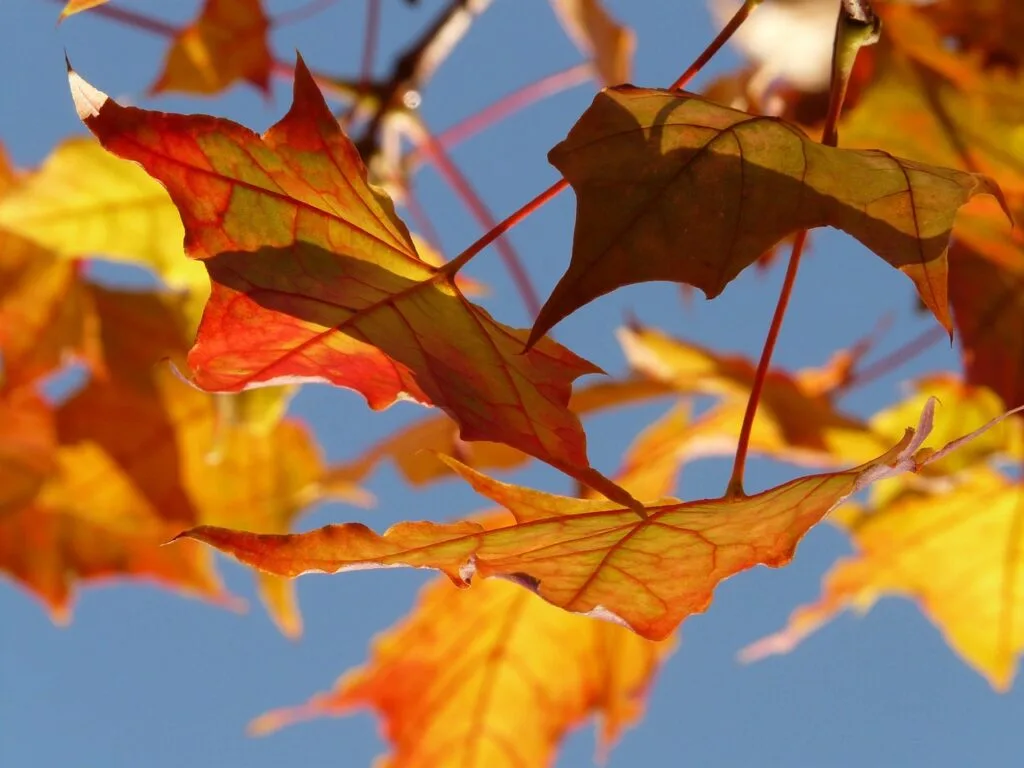
Autumn is another excellent window to visit Pompeii and Vesuvius, especially September and early October. Summer heat eases, the sea retains warmth and autumn light becomes golden — perfect for photography. Weather is often stable, though disturbances can arrive late October or early November.
At Pompeii, temps range from about 18 to 26 °C in September and cool gradually in October. This allows for longer, more comfortable visits, including deep dives into spots like the Teatro Grande (Via Teatro, Pompeii), the House of the Vettii (Casa dei Vettii, Via dell’Abbondanza, 1) and the Forum (Via del Foro). Hours remain similar: the Parco Archeologico di Pompei generally opens 09:00–19:30 in high season and adjusts in autumn; the regular admission fee is often €16.00, with reduced fares and combined tickets available.
On Vesuvius, autumn usually delivers excellent visibility and trails are often less dusty than in summer. Autumn colours add warm tones to the volcano’s flanks, particularly visible from the crater viewpoint. Shuttle services and ticket booths typically operate on schedules similar to spring; expect entrance or guided‑ascent fees to be around €10.00 plus any shuttle costs.
Practical autumn tips:
- Time your visits: late‑afternoon light is stunning on the ruins; consider finishing Pompeii in the afternoon to reach Vesuvius at sunset if you’re doing both in one day (watch park closing times).
- Check the weather: October can bring showers; a waterproof jacket and grippy shoes are useful.
- Transport: the Circumvesuviana runs year‑round between Naples and Pompei Scavi – Villa dei Misteri (station: Pompei Scavi – Villa dei Misteri, Corso G. Matteotti, Pompei). Trains are less crowded than in summer, but keep an eye on weekend timetables.
- Dine in Naples after your visit: treat yourself to a classic pizza at L’Antica Pizzeria da Michele, Via Cesare Sersale, 1, 80139 Napoli NA (a Margherita usually costs around €6–10, depending on the menu) — the perfect reward after a day of walking.
Click here to book the Pompeii and Vesuvius tour
Summer and Winter: pros, cons and strategies
Summer and winter each bring distinct characteristics to a visit to Pompeii and Vesuvius. Knowing the strengths and limits of each season helps you adapt your plan and expectations.
Summer (June–August): this is high tourist season. Days are long and sunny — great for photos and packing activities into a day — but the heat can make exploring Pompeii exhausting. Walls, mosaics and paved streets radiate heat and the least shaded areas become stifling. Queues at the archaeological park entrances are long; the standard Pompeii ticket is about €16.00, but expect audio guides or guided tours to push your budget higher. For Vesuvius, midday heat plus lack of shade on the trail requires strict planning: set off at dawn, carry plenty of water, protect yourself from the sun (hat, sunscreen) and plan shaded breaks at the trailhead if possible.
Summer strategies:
- Early start: arrive when Pompeii opens and tackle the Vesuvius ascent early (7am–9am) to beat the heat.
- Skip queues: buy tickets online for Pompeii and reserve a shuttle to Vesuvius if available.
- Use shaded spots: at Pompeii, schedule breaks in houses with shaded atriums or near cafés to cool down.
Winter (December–February): winter brings surprising advantages for travellers seeking calm and savings. Pompeii is far less crowded, and you can soak in the site’s atmosphere more intimately. Temperatures are cool (5–12 °C) and tourist services often run reduced hours. The archaeological park may close earlier (e.g. 09:00–16:00), and some guided circuits or activities around Vesuvius may be suspended for safety in bad weather.
Winter strategies:
- Check opening times: verify seasonal hours and last entry times for Pompeii and the Vesuvius shuttles.
- Warm layers: bring a windproof jacket and gloves for the Vesuvius summit where the wind can bite.
- Photography: drier air and good visibility can offer crystal‑clear views of the Bay of Naples and Capri on sunny winter days.
Click here to book a skip‑the‑line Pompeii tour from Naples

Visiting Pompeii and Vesuvius from Naples — practical logistics and useful addresses
Naples is a perfect base to explore Pompeii and Vesuvius. Here’s the practical info and addresses to help you plan a smooth day trip or short stay.
Transport from Naples:
- Circumvesuviana train: the most economical way to reach Pompeii. Depart from Napoli Centrale, Piazza Garibaldi, 80142 Napoli NA; get off at Pompei Scavi – Villa dei Misteri station, just minutes from Pompeii’s entrance (Via Villa dei Misteri, 2). Duration: about 30–40 minutes. Price: roughly €3.20 one way (check current fares).
- Buses and minibuses to Vesuvius: several private operators run from Naples and Ercolano to the car parks at the base of the Vesuvius trail; prices vary (typically €15–30 for an excursion including transport and sometimes a guide).
- Car: renting a car gives flexibility to combine Pompeii and Vesuvius, but parking at Pompeii and some Vesuvius access points can be limited in high season.
- Guided tours: many local agencies offer combined Naples–Pompeii–Vesuvius day trips including tickets, guides and transport (prices usually about €60–120 depending on inclusions).
Important addresses:
- Parco Archeologico di Pompei — Via Villa dei Misteri, 2, 80045 Pompei NA, Italy. Indicative price: €16.00 (standard fare). Hours: generally 09:00–19:30 (last entry varies).
- Porta Marina Superiore entrance — Via Marina, Pompei — another common access point for visitors arriving by bus or car.
- Parco Nazionale del Vesuvio — visitor information and meeting points vary depending on chosen access; an administrative address can be Via Vesuvio, 80044 Torre del Greco NA (check the actual trailhead used for hikes).
- L’Antica Pizzeria da Michele — Via Cesare Sersale, 1, 80139 Napoli NA: to taste an authentic Neapolitan pizza after your visits.
Local hours and tips:
- Arrive early at Pompeii (or late afternoon out of season) to avoid crowds and heat.
- For Vesuvius, prioritise a morning ascent; the crater is often windier in the afternoon.
- Carry both cash and cards: some small vendors around the sites don’t accept cards.
- Respect the archaeological park rules: don’t touch mosaics, don’t climb unstable structures and stay on marked paths.
- If you book a guided tour, confirm the meeting point and time (Naples can suffer significant traffic delays).
Click here to book an Ercolano and Pompeii excursion
Final tips for a great experience
A few extra tips to get the most from your Pompeii and Vesuvius visits:
- Booking: buy Pompeii tickets online and, if possible, reserve a shuttle or guide for Vesuvius to secure access on busy days.
- Gear: closed shoes, hat, sunglasses, sunscreen and a small first‑aid kit. For autumn and winter, a light windproof jacket is handy.
- Water and snacks: bring plenty of water and snacks; eateries in and around Pompeii can be busy or limited.
- Timing: combine Pompeii (morning) and Vesuvius (afternoon) in shoulder seasons, but check park closing times and shuttle availability.
- Respect: Pompeii is fragile — follow rules to help preserve this extraordinary heritage for future generations.
Conclusion
In short, the best season to visit Pompeii and Vesuvius depends on your priorities. If you want comfortable weather, ideal light for photography and manageable crowds, spring (April–June) and autumn (September–October) are the best compromise. These windows let you explore the Parco Archeologico di Pompei (Via Villa dei Misteri, 2, 80045 Pompei NA) in pleasant conditions, admire mosaics and public spaces without baking in the heat, and climb the Parco Nazionale del Vesuvio for a spectacular view over the Bay of Naples and the island of Capri.
Summer brings a lively atmosphere and long days but requires careful preparation against heat: early starts, lots of water, sunscreen and skip‑the‑line tickets to minimise queuing. Winter offers a calmer, more intimate experience of the ruins but comes with shorter days and the possibility of partial closures or reduced hours. In any season, logistics from Naples are straightforward: take the Circumvesuviana from Napoli Centrale, Piazza Garibaldi to Pompei Scavi – Villa dei Misteri, or choose a guided excursion if you prefer an all‑in‑one trip.
Before you go, always verify official opening hours and up‑to‑date prices (the figures mentioned here — for example €16.00 for Pompeii and about €10.00 for Vesuvius access — are indicative), confirm shuttle services and book tickets online when possible. Finally, plan your day around light and weather: a dawn or dusk visit will transform your perception of the sites and gift you poetic moments between stone, sea and volcano. Safe travels and enjoy discovering the ancient and natural wonders around Naples!
Click here to buy a skip‑the‑line ticket and audio guide for Pompeii