





Introduction
Heading from Naples for a day trip or a stay on Capri starts with a key logistical choice: take the classic ferry (traghetto) or the fast aliscafo/hydrofoil. This decision isn’t just about crossing time — it affects your budget, comfort, the views across the bay, schedule flexibility and even where you land on Capri — typically Marina Grande or another landing point. Naples, with its bustling piers, views of Vesuvius and dense urban fabric, offers several departure points and a range of ferry companies (SNAV, Caremar, NLG, Medmar, Alicost, Alilauro). Knowing the real differences between ferries and hydrofoils will save you time and prevent surprises when boarding.
This comprehensive guide breaks down both options in detail — technical traits, crossing time, onboard comfort, baggage rules, prices in euros, frequency of departures, typical timetables, exact port addresses and practical local tips. It also gives useful Neapolitan landmarks to orient yourself before or after the crossing: Molo Beverello, Calata Porta di Massa, Porto di Napoli, Piazza Municipio, Lungomare Caracciolo and, of course, the addresses and schedules for Marina Grande in Capri. I also share tips for choosing depending on the season (summer vs off-season), the weather (calm or choppy seas), if you’re traveling with bulky luggage, children or a pet, plus advice on booking online or at the ticket office.
Before we dive in, picture the scene: you’re walking along the Lungomare Caracciolo, the salty air on your face, Vesuvius towering on the horizon, and the comings and goings of boats before you. The hydrofoil promises a brisk, fast crossing with spray on your face and a dynamic arrival at Marina Grande. The ferry, slower, offers open decks, a more leisurely ride and sometimes space to sit outside — ideal for long, steady photo sessions. This guide gives you concrete points to weigh the trade-offs and pick the option that best suits your trip style.
 Click here to book a day trip to Capri and the Blue Grotto

Departure points in Naples: addresses, ticket offices and hours
Across the Bay of Naples there are several departure points serving Capri. The most commonly used are:
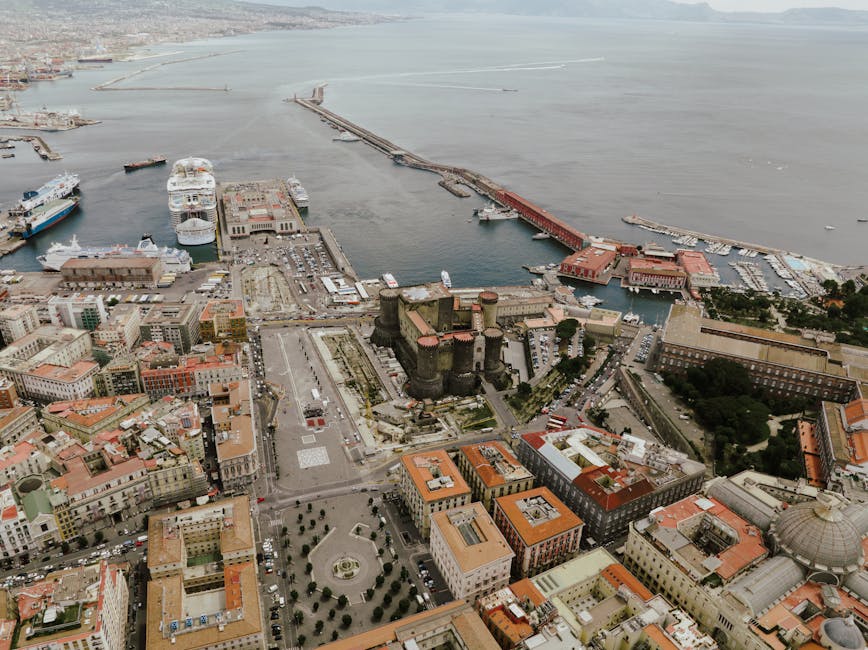
- Molo Beverello – Address: Molo Beverello, 80133 Napoli NA, Italy. This is the main terminal for aliscafi (hydrofoils) and some fast lines. Company ticket offices (SNAV, NLG, Alilauro, Caremar) typically open between 06:00 and 07:30 and close between 20:00 and 22:00 depending on the season. Times increase in summer (more departures from 06:30) and decrease in winter (reduced frequency).
- Calata Porta di Massa – Address: Calata Porta di Massa, 80133 Napoli NA, Italy. This quay is used by slower ferries, freight and some local lines. Ticket offices are often open from 07:00 to 19:00, depending on rotations.
- Porto di Napoli – Stazione Marittima – Address: Piazza Municipio, 80133 Napoli NA, Italy. Located near Castel Nuovo (Maschio Angioino), it’s convenient if you’re in the city center or coming from Piazza Municipio or the Royal Palace.
Practical tips for ticket offices and tickets:
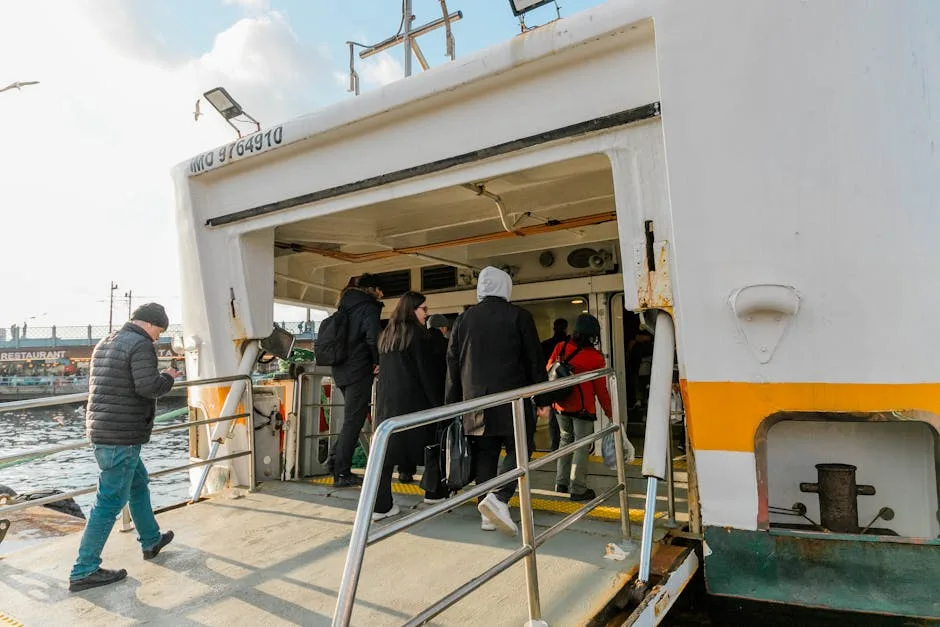
- Arrive at least 30–45 minutes before boarding in high season; 20 minutes is usually enough off-season.
- Ticket offices accept cash and cards; some offices prefer card payments. Lines can be long around 09:00–11:00 in summer.
- Check the departure boards at the Stazione Marittima or Molo Beverello for the exact quay: departures can change at short notice for operational or weather reasons.
Hydrofoil (aliscafo): speed, comfort and prices
The aliscafo (hydrofoil) is the fast way to reach Capri. Companies like SNAV, Alilauro and NLG regularly operate these vessels. Key features and practical info:
Duration: Under normal conditions, a hydrofoil connects Molo Beverello (Naples) to Marina Grande (Capri) in about 40 to 50 minutes. Short crossings are a major advantage if you’re doing a day trip or want to maximize your time on the island.
Price: Fares vary by company and season. Typical one-way examples: SNAV: around €22–€30, Alilauro: €20–€28. In high season (July–August) there may be a small surcharge. Children and seniors sometimes get discounts (check when booking).
Comfort and services: Hydrofoils offer air-conditioned indoor seating and limited outdoor decks. Legroom is usually adequate but less generous than on a ferry. You’ll feel more motion; if you’re prone to seasickness, bring medication and avoid the very front seats when the sea is rough.
Baggage: Hydrofoils accept cabin bags and suitcases — typically one piece per passenger included in the standard fare. Large suitcases are allowed but storage space is limited; arrive early to secure space for your belongings.
Typical schedule: Frequent departures from 06:30 to 20:30 in summer (roughly every 30–60 minutes during peak times). Off-season, frequency drops significantly: often 3–6 departures per day.
Practical tips specific to hydrofoils:
- Book online in summer: seats sell fast, especially morning slots (07:30–09:30) and mid-afternoon (15:00–17:00).
- Pick a central seat for a steadier ride; avoid the bow if the sea is choppy.
- If you’re tight on time to catch Capri’s funicular or a taxi, choose the hydrofoil to save minutes.
Click here to discover the Blue Grotto, Capri and Anacapri on a group tour
Classic ferry: slower pace, space and value
The classic ferry (traghetto) is the slower option, but it comes with notable advantages, especially if you prefer a relaxed journey and lots of space. Here’s what to know:
Duration: The ferry trip between Naples and Capri typically takes 45 to 80 minutes depending on the vessel and route (some ferries make stops). Ferries often depart from Calata Porta di Massa or sometimes Mergellina for local connections.
Price: Ferry fares are often slightly lower or comparable to hydrofoils, with greater variability depending on company and vessel. Examples: Caremar: around €18–€25 one-way, Medmar: €16–€24. Slower ferries are attractive for budget travelers or those with bulky luggage.
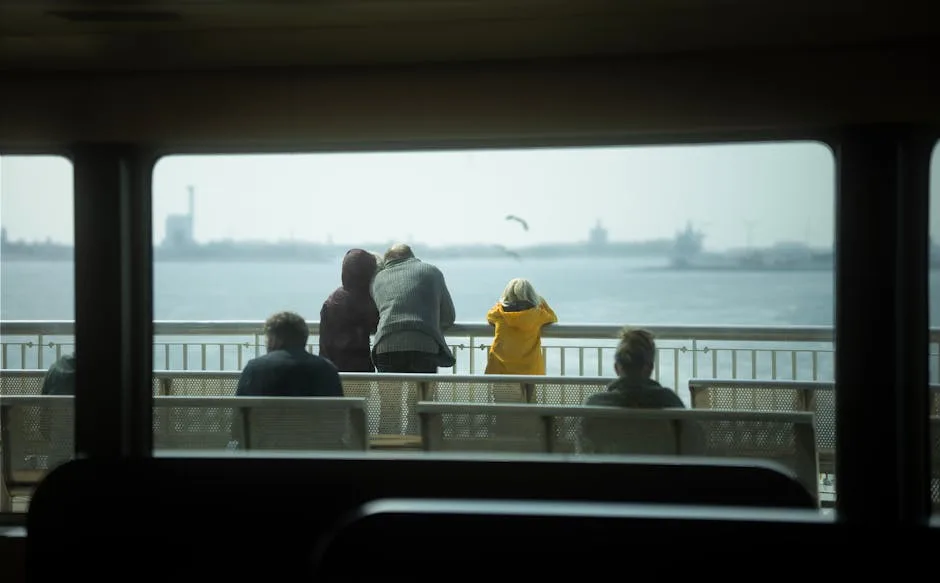
Comfort and services: Ferries usually offer more space, wider outdoor decks and sometimes a bar or small snack area. Seats may be less modern than on hydrofoils, but stability is generally better: ferries handle swell more effectively, which reduces seasickness.
Baggage: Storage space is often more generous; you can keep suitcases close without crowding. Ideal if you’re traveling with a stroller, folding bike or large bags.
Typical schedule: In summer, ferries run from 07:00 to about 19:00–20:00, with less frequent departures than hydrofoils. Off-season it’s possible to have only 2–4 departures per day.
Practical tips for taking the ferry:
- If you want calm photo sessions, choose the upper deck on a ferry for extended panoramas of the Naples coast and Capri.
- Families often prefer ferries for the space and the freedom to move around, grab a coffee at the bar and change seats.
- In bad weather the ferry is often more reliable: it copes better with waves and can maintain service when hydrofoils are suspended.
Click here to book a boat trip to Capri with lunch
Arrival in Capri: Marina Grande and what to expect
Arrivals on Capri are almost always at Marina Grande, the main gateway for boats and where most tourist routes begin:
- Marina Grande, Capri – Address: Marina Grande, 80073 Capri NA, Italy. This is the main port with ticket offices, landing stages, quays and transfer services to the Piazzetta and Anacapri.
From Marina Grande there are two main ways to get up to Capri’s Piazzetta:
- The Capri funicular – Lower station: Piazzale della Stazione Funicolare, 80073 Capri NA. Hours: generally 07:00–23:00 in summer (check local notices). Price: around €2–€3 one-way (subject to change).
- Mountain taxis / minibuses – available at the port exit. Taxis to the Piazzetta in high season: often €8–€12 per person depending on negotiation and party size.
Arrival tips:
- If you take the hydrofoil and arrive quickly, allow a few extra minutes for the funicular queue: it can be long in the mornings and early afternoons.
- Ferries can dock with more landing space, which makes disembarking easier for groups and families.
- Identify your meeting point if you’ve booked a tour or private boat — Marina Grande can get very busy and noisy in summer.
Click here to book a Capri and Anacapri ferry tour

Which to choose based on your travel profile? Scenarios and recommendations
The best choice depends on your priorities: speed, comfort, budget or experience. Here are concrete scenarios with tailored recommendations:
- Traveler short on time doing a day trip: Pick the hydrofoil. Shorter crossing (40–50 minutes), more morning and afternoon departures. Book online to secure your preferred slot. Tips: take a central seat, bring a light jacket for the wind and be at the quay 40 minutes before departure in high season.
- Traveler sensitive to seasickness: Opt for the ferry. It’s steadier and less prone to jolts, with the option to stay on deck without being tossed around. Tip: choose a wider ferry and sit in the ship’s middle.
- Family or group with luggage: Ferry recommended for space. Ferries handle strollers and large suitcases much better.
- On a tight budget: Compare Caremar/Medmar offers; slower ferries can be cheaper off-peak.
- Season and weather: In rough seas, ferries often keep running while hydrofoils may be cancelled. Check weather bulletins and the carrier’s site the day before.
Booking: If you travel in high season (June–September) or over long weekends, buy return tickets to avoid queues. Official company sites and local travel agents list timetables and usually allow printing an e-ticket. Expect a small surcharge at ticket offices during peak season.
Local practical tips to make the most of Capri and Naples
A few keys to optimize your day or stay:
- Get to Molo Beverello early if you want an outside seat on the hydrofoil and the best coastal views.
- If you plan to visit the Blue Grotto, leave a generous time buffer: water taxis leave from Marina Grande and visits depend on sea conditions. Approximate access point for rowboats: Marina Grande, 80073 Capri NA.
- Visit Castel dell’Ovo (Via Eldorado, 3, 80132 Napoli NA) and Piazza del Plebiscito (Piazza del Plebiscito, 80132 Napoli NA) before you leave if you have time; they’re a short distance from the Stazione Marittima.
- The National Archaeological Museum of Naples (Museo Archeologico Nazionale di Napoli) – Address: Piazza Museo, 19, 80135 Napoli NA. Typical hours: 09:00–19:30, sometimes closed on Mondays depending on season; check before you go.
- Bring some cash for small expenses on Capri (cafes, buses, taxis); small shops may prefer cash.
Conclusion
The choice between ferry and hydrofoil to reach Capri from Naples comes down to your priorities: if speed and frequency matter most, the aliscafo/hydrofoil (regular departures from Molo Beverello, about 40–50 minutes, fares €20–€30) is the logical pick. If you value stability, space, better value for luggage and a more relaxed ride, the ferry (departures from Calata Porta di Massa or the Stazione Marittima, 45–80 minutes, fares €16–€25 depending on company) will often be preferable.
Plan according to season: book online in high season, arrive early at the port, and have backup options in case of weather cancellations. On arrival, Marina Grande (Marina Grande, 80073 Capri NA) offers easy links to the Piazzetta via the funicular (Piazzale della Stazione Funicolare) or taxis. Use official carrier services (SNAV, Alilauro, Caremar, Medmar, NLG) to check daily timetables, up-to-date fares and rules for pets or oversized baggage.
Finally, leave some room to enjoy the journey: whether you pick the adrenaline of a hydrofoil or the calm of a ferry, the crossing from the Bay of Naples to Capri is always a dramatic prelude to one of Italy’s most photogenic islands. Bring sunglasses, a windbreaker, a power bank for your phone and a camera: between Vesuvius, Capri’s colorful houses and the intense Mediterranean blue, every minute on the water is worth capturing.