






Introduction: Baroque Naples — a journey through stone, faith and everyday life
Naples, a city of many layers, preserves in its historic center — the Centro Storico — one of the liveliest Baroque ensembles in Europe. Strolling the narrow alleys and wide squares of the old town, you cross centuries where art, faith and daily life overlap. Neapolitan Baroque architecture is more than a façade style: it’s a theatrical, sensory language that mixes marble, stucco, fresco and sculpture to produce an immediate emotional impact. Churches present themselves as stages, cloisters as intimate gardens, and private chapels as little jewels of artistic invention.
This route offers an immersive, practical read of the main Baroque sites in old Naples. We’ll visit iconic places — the Chiesa del Gesù Nuovo, the Cappella Sansevero (home to the famous Cristo Velato), the Complesso Monumentale di Santa Chiara, the Cattedrale di Santa Maria Assunta (the Duomo) — and follow the spine of the Centro Storico: the street known as Spaccanapoli. For each stop you’ll find exact addresses, typical opening times, prices in euros, sensory descriptions and practical local tips (best time to visit, dress code, transport options and crowd-busting hints).
Expect contrasts: austere volcanic-stone façades hiding lavish interiors, chapels with polychrome marbles punctuated by stucco sculptures that seem to move, and small squares where Neapolitan life bursts forth — cafés, street vendors, musicians. Neapolitan Baroque feeds on Mediterranean light, vivid pigments and devotional gestures; it’s also the result of cultural mixing between local craftsmen, Neapolitan sculptors and Spanish and Roman influences. This guide is built to be useful both to independent travelers and to those who prefer guided tours: you’ll find suggested walking routes, indicative entry budgets, and recommendations for photography and off-the-beaten-path discoveries.
Finally, note that opening hours and fees can vary by season, religious holidays or temporary closures for restoration. When information can change quickly (notably for the Cappella Sansevero or museum spaces), I encourage you to check online or call ahead before your visit. Now, lace up comfortable shoes: old Naples is best discovered slowly, eye level with the city, with hands that touch the stones and ears that listen to the bells.
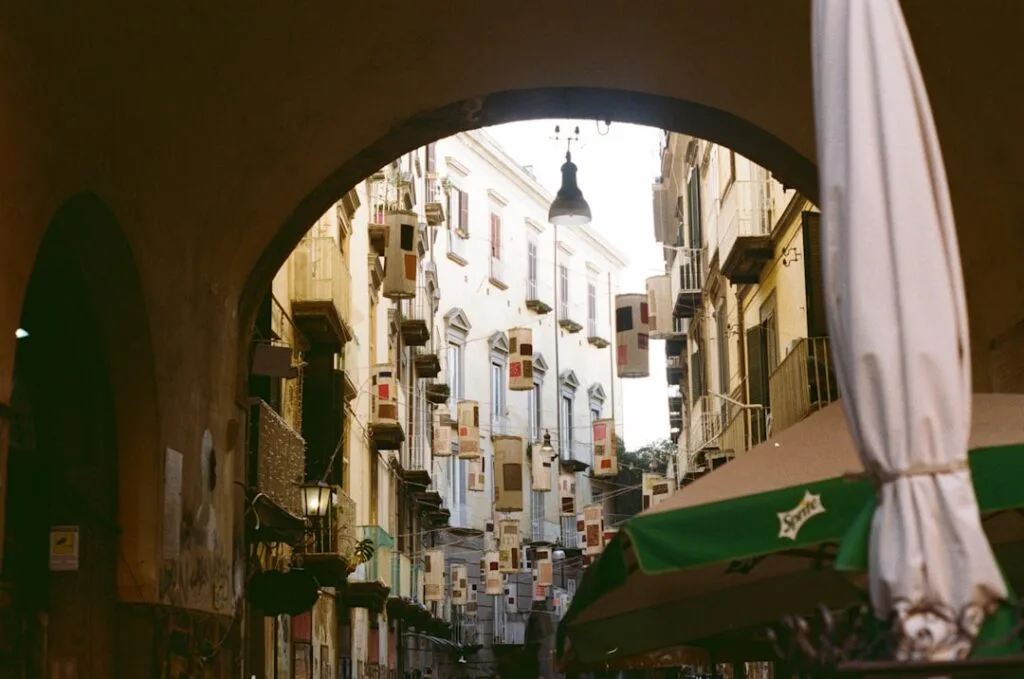
Spaccanapoli: the street that divides and unites — Baroque route and landmarks
Spaccanapoli (literally « that splits Naples ») is the popular name for the long historic artery that cuts across the centro storico from east to west. Its route corresponds to the streets Via Benedetto Croce, Via San Biagio dei Librai and Via Giudecca Vecchia. The Baroque experience often begins right on this artery: façades, doorways, tiny street chapels and buildings where wrought-iron balconies meet historic shopfronts.
Main address: Via Benedetto Croce / Via San Biagio dei Librai, 80134 Napoli NA. Spaccanapoli has no opening hours or fees — it’s a public street — but the churches and monuments along it have their own access rules. For a structured walk, start near Piazza San Domenico Maggiore and head east toward Piazza del Gesù Nuovo.
What makes Spaccanapoli fascinating are the micro-Baroque arenas: tiny domestic chapels, ex-voto altars and churches with heavily worked Baroque portals. As you walk, look out for features like mascarons, deep cornices and stuccoes that point to the work of 17th- and 18th-century craftsmen. Weather-darkened façades often contrast with restored portals, brightened and rich with polished marbles.
Practical tips: visit Spaccanapoli early in the morning (between 8:00 and 10:00) to enjoy low-angle light and avoid the crowds and scooters that weave along the street during the day. Wear sturdy shoes: the cobbles are uneven. Carry small change (€1–2) for candles and offerings in small chapels. Cafés and taralli (traditional savory biscuits) are an integral part of the experience: stop at a local pasticceria to watch neighborhood life unfold.
If you want a guided tour, expect to pay around €15–30 per person for a 2–3 hour tour, depending on group size and guide. Many guides offer a combined visit of Spaccanapoli with the Chiesa del Gesù Nuovo and the Cappella Sansevero, which is a smart way to understand the broader Baroque context.
 Click here to discover the old town and the Veiled Christ
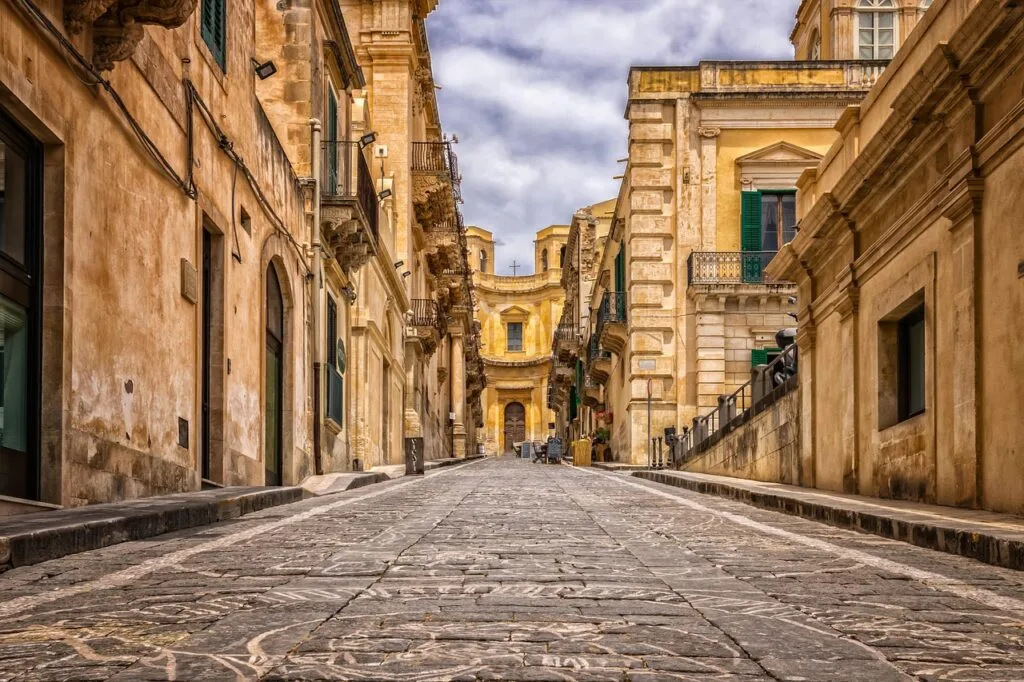
Chiesa del Gesù Nuovo and Piazza del Gesù Nuovo: Baroque splendor behind an enigmatic façade
The Chiesa del Gesù Nuovo is one of the most spectacular examples of Neapolitan Baroque, located in the heart of the centro storico. Address: Piazza del Gesù Nuovo, 2, 80134 Napoli NA. The exterior facade, with its unusual diamond-cut stone pattern, conceals an extremely ornate interior: side chapels, gilded stuccoes, frescoes and a polychrome floor.
Typical opening times: generally open every day, roughly 7:30–12:30 and 16:00–19:30. Please check before your visit (times can change for Masses and religious events). Price: entry to the main nave is often free; some areas or temporary exhibitions may request a contribution (usually €2–5). Private or guided commentary tours can cost between €10 and €25.
Immersive description: crossing the threshold of Gesù Nuovo is like entering a sacred theater. Light filtering through stained glass caresses the marbles and reveals gilding that seems almost alive. Your eye is drawn to the side chapels where altarpieces and paintings depict saints in motion. The Baroque’s dramatic use of perspective creates depth effects: ceiling frescoes that appear to open into the heavens and expressive statues that converse with the worshipper.
Around the piazza you’ll find historic cafés and the cloister of the Complesso di San Domenico Maggiore, both offering excellent views of the Gesù Nuovo façade. Take time to sit, watch the faithful and the daily flow of locals. Nearby markets and craft shops sell souvenirs and religious objects: wax ex-votos and prints depicting local saints.
Practical tips: respect silence and dress codes for entry (shoulders and knees covered). For interior photography, check flash restrictions; often non-flash photography is allowed. Arrive 30 minutes before Mass if you want to attend a ceremony with fewer tourists. Public restrooms are scarce: use café facilities (a purchase is polite). For a deeper experience, combine your visit with the Monastero di Santa Chiara, a 5–10 minute walk away.
Cappella Sansevero: intimate Baroque and the art of sculptural miracle
The Cappella Sansevero (Cappella Sansevero / Museo Sansevero) is a chapel-museum that houses one of the most astonishing sculptures of the Baroque world: the Cristo Velato (Veiled Christ) by Giuseppe Sanmartino. Address: Via Francesco De Sanctis, 19/21, 80134 Napoli NA. This place is essential for understanding the expressiveness and technical virtuosity of Neapolitan Baroque.
Opening times: generally open daily, approximately 9:00–19:00 (last admission varies). Price: standard ticket around €9–10 (discounts for students and seniors, sometimes €7). There are also skip-the-line tickets and guided tour options (about €12–20 extra depending on choice). Note: entry is limited in the number of visitors at once to preserve the space and allow quiet observation of the sculptures.
Immersive description: from the moment you enter, the atmosphere turns hushed and reverent. Translucent marbles and shadow play create an almost sacred halo. The Cristo Velato exudes humanity: the carved veil seems truly laid upon the Christ’s skin, translucent and weightless. Around this masterpiece, allegories, anatomical chimera and nods to science and alchemy testify to Baroque intellect: light, illusion and knowledge intertwine.
Practical tips: book ahead in high season to avoid queues; time slots fill up fast. The ideal visit lasts 30 to 45 minutes if you want silent contemplation, longer if you read every label. Flash photography is strictly forbidden; respect the marked distances. Very young children may find the dim, solemn atmosphere intimidating.
Click here to book your ticket for the Cappella Sansevero
Complesso Monumentale di Santa Chiara: cloister, majolica tiles and Baroque architecture
The Complesso Monumentale di Santa Chiara is a complex that blends Gothic architecture, Baroque elements and modern restoration. Address: Piazza del Gesù Nuovo, 8, 80134 Napoli NA. Founded in the 14th century, it preserves a unique majolica-tiled cloister, a monastery and museum spaces that reflect Naples’ stylistic transformations.
Opening hours: generally open daily, roughly 9:00–18:00; the cloister and gardens may have slightly different hours. Price: combined cloister + museum entry around €6–8; reduced rates for students and groups. Some parts remain active religious spaces and may close temporarily for services.
Immersive description: the great cloister of Santa Chiara is famous for its benches decorated with polychrome faience (majolica) depicting landscape scenes and floral motifs. The visual effect is that of a suspended garden, where southern light illuminates the vivid colors of the tiles. Arcades, columns and vaults create a circulation of space that is at once serene and rhythmic — a Baroque interpretation of contained movement.
Inside the complex, the archaeological museum displays finds and temporary exhibitions. The monastery’s café and bookshop offer books on Neapolitan art and artisan products, perfect for extending the aesthetic discovery.
Practical tips: combine the cloister visit with a coffee on Piazza del Gesù Nuovo. The site is stroller-accessible but some areas have steps; plan appropriate clothing for entry into religious zones. Photography is generally allowed without flash in the cloister, and the best light for the majolica colors is late morning.
Click here to book a tour covering the Veiled Christ and Santa Chiara

Cattedrale di Santa Maria Assunta (Duomo di Napoli): liturgical Baroque and hidden treasures
The Cattedrale di Santa Maria Assunta, often called the Duomo di Napoli, is the spiritual and ceremonial heart of the city. Address: Via Duomo, 147, 80138 Napoli NA. While its architecture spans several periods, the Duomo incorporates Baroque elements visible in chapels and interior decoration.
Opening hours: the cathedral is generally open 9:00–17:00, with changes during celebrations and feasts (notably the feast of San Gennaro). Price: access to the nave is free; visiting the cathedral treasury and archaeological/museum chapels can cost between €3 and €6. Combined tickets for other museum areas are around €5–8.
Immersive description: the main nave receives light through stained glass that emphasizes the richness of Baroque altars. The side chapels offer examples of marquetry, statues and gilded stucco altarpieces typical of the Neapolitan Baroque style. Next to the Duomo, the treasure of San Gennaro displays relics, goldsmith work and liturgical vestments of remarkable finesse — witnesses to a popular devotion that has shaped Neapolitan identity.
The rhythm of offices, processions and sacred imagery make the Duomo a living place; here Baroque manifests not only as an aesthetic but as ritual theater. Whispers, chants and the scent of candles all contribute to an atmosphere that’s more than visual.
Practical tips: for major ceremonies (like the liquefaction of San Gennaro’s blood), arrive hours early or reserve if possible. Avoid peak times (Sunday mornings and public holidays) if you want to visit the treasury calmly. The Duomo is close to the « Dante » metro station (line 1) and several underground car parks; favor public transport to skip parking hassles.
General tips for a successful Baroque route
- Opening times: favor mornings for the busiest sites (9:00–11:00) and late afternoon for warmer light.
- Tickets: book online for the Cappella Sansevero and some temporary exhibitions to avoid queues.
- Dress code: to enter churches, cover shoulders and knees; avoid very short shorts and tank tops.
- Transport: the centro storico is best explored on foot; use the metro (line 1 Dante station), the funiculars to reach the heights, and avoid driving.
- Safety: Naples is generally safe for visitors but watch out for pickpockets in tourist areas and for scooters that move quickly through narrow lanes.
- Eating and drinking: try a sfogliatella or an espresso at the counter; choose places frequented by locals for better value and authenticity.
Conclusion: understanding and feeling Neapolitan Baroque
Baroque architecture in Naples is an invitation to active contemplation: it questions, touches and surprises. Beyond façades and decoration, Neapolitan Baroque is a social and religious phenomenon: it was used to express faith, the power of families and confraternities, and the virtuosity of artisan workshops. Walking Spaccanapoli, stepping into the Chiesa del Gesù Nuovo, lingering before the Veiled Christ at the Cappella Sansevero, or wandering the cloister of Santa Chiara, you’ll realize each detail — a capital, a mosaic, a piece of goldsmithing — was designed to create a precise emotion.
For the traveler, the secret to a successful visit lies in pacing: alternate major sites with quieter stops, coffee breaks and moments of silence inside churches. Bring a map, book visits that require tickets and don’t hesitate to talk with local guides: their knowledge of anecdotes and recent restorations will deepen your understanding. Budgets vary: plan €20–50 per person for a half-day route including a few paid entries and a short guided tour.
Finally, remember that Naples is experienced through the senses: smell the candles, touch the polished marbles (where allowed), taste the street food and let the city surprise you. Baroque here is not a relic frozen in a museum: it keeps talking to contemporary life. Leave with images — and, if possible, notes on what moved you — because those personal impressions will keep your trip alive long after you return.