





Introduction — Why Naples’ Historic Pizzerias Are Worth the Trip
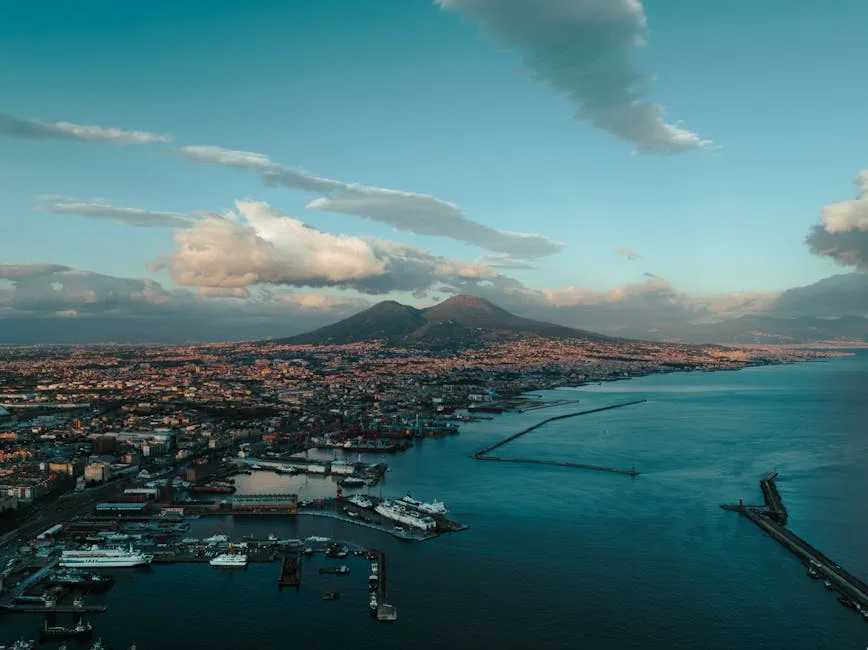
Naples is the city that gave the world the pizza as we know it today. Wandering the narrow lanes of the historic center, breathing in the scent of basil, San Marzano tomatoes and melting buffalo mozzarella from wood-fired ovens, you step into a living culinary tradition. Naples’ historic pizzerias are more than restaurants: they’re institutions where age-old craft, family rivalries and a deep connection to the land come together. They tell the story of a city — from the Mergellina harbor to the working-class neighborhoods of Forcella and Rione Sanità, and along Via dei Tribunali, home to some of the most iconic addresses.
In this article I’ll take you inside several historic Neapolitan pizzerias you absolutely should know. You’ll find exact addresses, approximate prices in euros, typical opening hours, vivid descriptions to awaken your senses, and practical local tips: how to avoid long lines, what to order if you want the classics, and how to combine your pizza stop with nearby sights and walks. Whether you’re a foodie traveler, a fan of Italian tradition, or simply curious, these pizzerias are essential stops for understanding Neapolitan culture over a hot slice with a crisp edge and a soft center.
Every place featured here has its own story. Some claim to have invented famous variations; others have preserved unchanged baking methods for decades: hand-kneading, natural fermentation, exclusive use of wood-fired ovens and local ingredients. Prices remain surprisingly affordable given the quality and reputation, but expect queues, especially in the evenings and on weekends. I’ll also describe menu highlights — Margherita, Marinara, the celebrated « Montanara fritta » and local twists — plus practical tips like quieter hours, payment (cash vs cards), and how to compose your order if you want to share multiple pizzas to taste more varieties.
Finally, I’ve added visual cues to help you spot these places from the street and suggested walking routes between pizzerias and nearby attractions — for example combining a visit to the Cappella Sansevero or the Duomo di Napoli with a pizza break on Via dei Tribunali. The included image markers will help you picture the most photogenic scenes: the glowing oven, the pizza straight out of the fire, the façade of a historic pizzeria, a mosaic-lined dining room or a bustling cobbled street at sunset. Bring your appetite, comfortable shoes and maybe a little notebook to jot down favorites: Naples delivers intense, memorable culinary experiences.
Each address featured here has a unique history. Some claim the invention of famous variants, others have kept their cooking methods unchanged for decades: hand-kneading, natural rises, exclusive wood-fired ovens and local ingredients. Prices remain surprisingly accessible for the quality and renown, but expect queues, especially in the evening and on weekends. I also describe menu highlights — Margherita, Marinara, the celebrated « Montanara fritta » and local variations — along with practical advice like quieter hours, payment methods (cash vs card), and how to build your order if you want to share several pizzas to try more recipes.
 Click here to visit the Cappella Sansevero with a guide
<img width="488" height="650" src="http://naples.ue.is/wp-content/uploads/sites/13/2025/12/antica-pizzeria-da-michele-interior-napoli-wood-fi-1765999745.jpg" class="aligncenter" alt="Antica Pizzeria da Michele interior Napoli wood-fired oven » loading= »lazy » />
Antica Pizzeria da Michele — The Margherita Legend
Full name: Antica Pizzeria da Michele
Address: Via Cesare Sersale 1, 80139 Napoli (Forcella / historic center)
Approx. prices: Margherita about €5.00 ; Marinara €4.50 ; drinks €2–4 ; shared plates and desserts €3–8.
Opening hours: usually 11:00–23:00 (check holidays and exceptional closures).
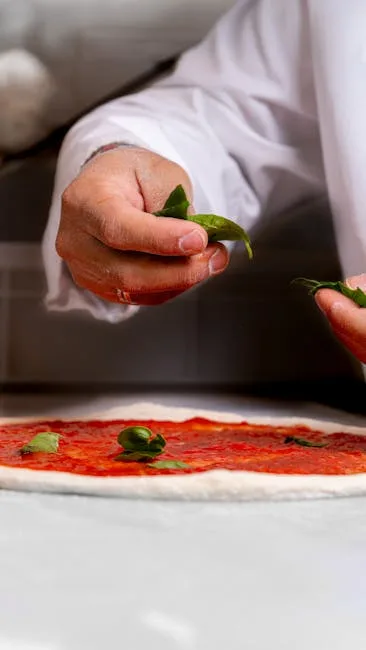
Antica Pizzeria da Michele is arguably the most famous Neapolitan pizzeria in the world, its myth amplified by literature and film. Walking into Da Michele is like entering a cantina where the menu is deliberately minimal: Margherita and Marinara, maybe one other simple option. The focus is absolute ingredient quality — San Marzano tomatoes, buffalo mozzarella or fiordilatte, fresh basil — and the pizzaiolo’s craft as he shapes the dough in front of you and slides it into a blazing wood oven.
The dining room is often packed, but the atmosphere is electric and authentic. Walls are plastered with photos and press clippings that testify to its international fame. The pizza arrives fast, evidence of a well-oiled operation: puffed crust (« cornicione »), lightly blistered exterior, moist and fragrant center. The flavor is direct, focused on the tomato-cheese-olive oil balance. For a full experience, pair the Margherita with a local beer or end the meal with a limoncello.
Practical tips: arrive early (or between 15:00 and 18:00) to avoid the longest queues, carry cash if you want to skip a wait at the register, and be prepared to share tables — Neapolitan dining favors conviviality. If you’re pressed for time, go for takeaway: the pizza is still delicious a few minutes later, though nothing beats eating it right out of the oven on site.
Click here to learn to make Neapolitan pizza with an aperitivo

Pizzeria Gino Sorbillo — The Creative Pizza Lab
Full name: Gino Sorbillo – Lievito Madre al Mare (and other branches)
Main (historic) address: Via dei Tribunali 32, 80138 Napoli (historic center)
Approx. prices: Margherita about €7.00 ; specialty pizzas €8–€15 ; antipasti and wines €4–€12.
Opening hours: typically 11:00–23:00 (some branches have extended evening hours).
Gino Sorbillo is synonymous with innovation and talent on the Neapolitan scene. Based on Via dei Tribunali, the beating heart of the old city, Sorbillo has turned the traditional pizzeria into a flavor lab where classic recipes sit alongside contemporary creations. The dough is light and often more aerated, the result of long fermentation (lievito madre) and careful work with grain and hydration.
The menu offers classics but also surprising combinations — pizzas featuring local ingredients like smoked provola, datterino tomatoes, or seafood-based variations. The room is lively, joyful and often noisy, filled with a young, international crowd. Service is quick, but waits are still common: the reputation draws food lovers from around the globe.
Practical tips: book if you can (depending on the branch), otherwise come outside peak hours (early afternoon or midweek). To taste different styles, share a traditional Margherita and a signature pizza — for example a seafood variation or one with pecorino. Watch portion sizes: Sorbillo pizzas can be generous, so plan to share. Cards are accepted, but keep some cash for small extras.
Click here to discover Neapolitan cuisine on a guided food tour
Pizzeria Starita — Tradition and Innovation in Materdei
Full name: Pizzeria Starita a Materdei
Address: Via Materdei 27/28, 80136 Napoli (Materdei / Rione Sanità)
Approx. prices: Margherita about €6.00 ; the famous “Pizza Montanara” (fried then finished in the oven) between €5.50–8.00 ; house dishes €4–€12.
Opening hours: often 12:00–15:30 and 19:00–23:30 (two services: lunch and dinner).
Starita is a century-old establishment known for its signature recipes and baking techniques. Located in the Materdei neighborhood, this pizzeria is famous for the “Montanara,” a pizza lightly fried and then quickly finished in the oven to achieve a unique texture: a crisp base, a soft interior and a slightly caramelized surface. Starita has also appeared in films and documentaries, cementing its status as a Neapolitan icon.
The atmosphere is family-oriented, with servers who know many regulars, and you can feel the passion for the product. The menu includes traditional antipasti (frittatine, crocchè di patate), homemade desserts and a good selection of local wines. The dining room is unpretentious, decorated with old photos and a clearly visible wood-fired oven.
Practical tips: try the Montanara as a starter to share, then order a classic pizza if you’re still hungry. Arriving early for dinner can reduce wait times, and weekday lunches are often quieter. If you’re curious about the kitchen, politely ask to see the oven or watch the pizzaioli at work — in many pizzerias you can observe the shaping and baking up close.
Click here to learn Neapolitan pizza and tiramisu
Pizzeria Di Matteo and Pizzeria Brandi — Two More Pillars of Neapolitan Heritage
Pizzeria Di Matteo
Address: Via dei Tribunali 94, 80138 Napoli
Approx. prices: Margherita €5–6 ; fried pizzas €3–5 ; local street food €2–7.
Opening hours: generally 11:00–23:00, sometimes open later on weekends.
Di Matteo is another institution on Via dei Tribunali, famous for its street-food tradition. Here, pizza is enjoyed standing or sitting, and the place offers fried specialties such as pizza fritta and small snacks that reflect Naples’ street-food culture. Locals often stop for a quick bite before continuing their stroll through the alleys. The atmosphere is popular and authentic, with efficient servers and a clientele made up of students, workers and savvy tourists.
Practical tips: order the fried specialties for a truly local experience, and pair them with a classic Margherita to compare. Di Matteo is perfect for a quick stop while exploring the old town.
Pizzeria Brandi
Address: Salita Sant’Anna di Palazzo 1/2, 80132 Napoli (near the Royal Palace and the port)
Approx. prices: historic Margherita €8–12 ; specialty pizzas €10–€18 ; tourist menus €15–25.
Opening hours: often 12:00–22:30 (closing times vary with the season).
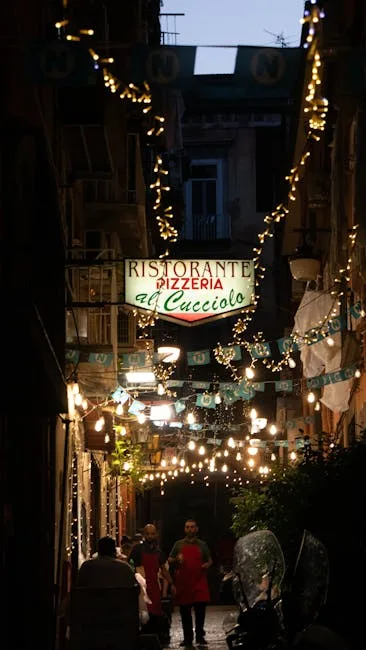
Pizzeria Brandi is famous for the legend of the official creation of the Margherita pizza in 1889, when a pizza made in honor of Queen Margherita of Italy supposedly reproduced the colors of the Italian flag: tomato, mozzarella and basil. The place is more elegant, almost museum-like, with a dining room that evokes the link between gastronomy and history. Prices can be higher than neighborhood pizzerias, but the experience is enriched by the decor and the proximity to tourist sites like the Palazzo Reale di Napoli and Piazza del Plebiscito.
Practical tips: visit Brandi after a stroll along the waterfront or a museum visit; book if you’re coming in high season. For the historical experience, order the Margherita “secondo la tradizione” and take your time to observe the presentation and the more formal service.
Click here to book your ticket for the Royal Palace
Local Practical Tips to Make the Most of Historic Pizzerias
Visiting Naples’ historic pizzerias might seem simple: queue, eat, leave — but to have a truly successful experience there are a few local rules and tricks that make all the difference.
- Time your queue smartly: lines are a reality. To cut waiting time aim for slots between 15:00 and 18:00, or early lunchtime. Weekends and summer evenings are the busiest times.
- Bring cash: while most pizzerias accept cards, some smaller places or quick registers work better with cash.
- Share to taste more: order several pizzas to share. Portions are generous and sharing lets you sample different variations (Margherita, Marinara, fried pizzas, oven-baked pizzas).
- Ask for “al taglio” or “al piatto”: if you’re in a hurry, some pizzerias offer slices or takeaway options. Other services include pizza « al metro » (by the meter) intended for groups.
- Avoid tourist traps: some pizzerias near major sights charge higher prices and have uneven quality. Favor the addresses mentioned here for authenticity.
- Respect the local rhythm: in Naples a meal is a social moment. Don’t expect clinical service: go with the energy, tempo and warmth of the place.
- Combine with cultural visits: many historic pizzerias are close to churches, museums and squares — plan your route to maximize time and enjoyment (e.g., Di Matteo/Sorbillo near the Duomo and the Cappella Sansevero).
Click here to taste Neapolitan street food on a guided tour
Conclusion — Between Culinary Memory and Modernity, Naples’ Pizza as Living Heritage
Naples’ historic pizzerias are not just places where you eat well: they are living archives and spaces that transmit a popular art that conquered the world. From Antica Pizzeria da Michele, the temple of simplicity, to Gino Sorbillo’s creative experiments, and the emblematic recipes of Starita, Di Matteo and Brandi, each address tells a different facet of Neapolitan culture. These pizzerias combine artisanal know-how, high-quality local products and a relationship with customers that values warmth and generous portions.
Taking the time to explore these places means learning a new culinary vocabulary (cornicione, impasto, montanara), getting familiar with wood-oven rituals, and understanding that in Naples pizza is as much a social act as a dish. Prices remain surprisingly accessible given the quality, but the experience goes beyond the plate: it includes the queue that, paradoxically, heightens anticipation, the Neapolitan style of sharing, and the pleasure of seeing a pizza come out of the fire, steaming and aromatic.
For your visit, I recommend preparing a flexible route that combines sightseeing and gastronomic stops, arriving with a bit of time to spare and, above all, keeping an open mind. Taste the Margherita at several places to learn to distinguish nuances and styles: simplicity can reveal unsuspected complexities (tomato quality, dough maturation, oven temperature). Finally, remember that pizza in Naples is constantly evolving: young pizzaioli carry on tradition while enriching it, making every oven a small stage for innovation.
When you leave Naples you’ll take more than flavors with you: you’ll carry the memory of a city where cooking is a living heritage, shared in the streets, on the squares and around still-smoking wood-fired ovens. Naples’ historic pizzerias are must-see stops for anyone who wants to understand the intimate relationship between a city and its cuisine — an intangible heritage that every bite makes tangible.