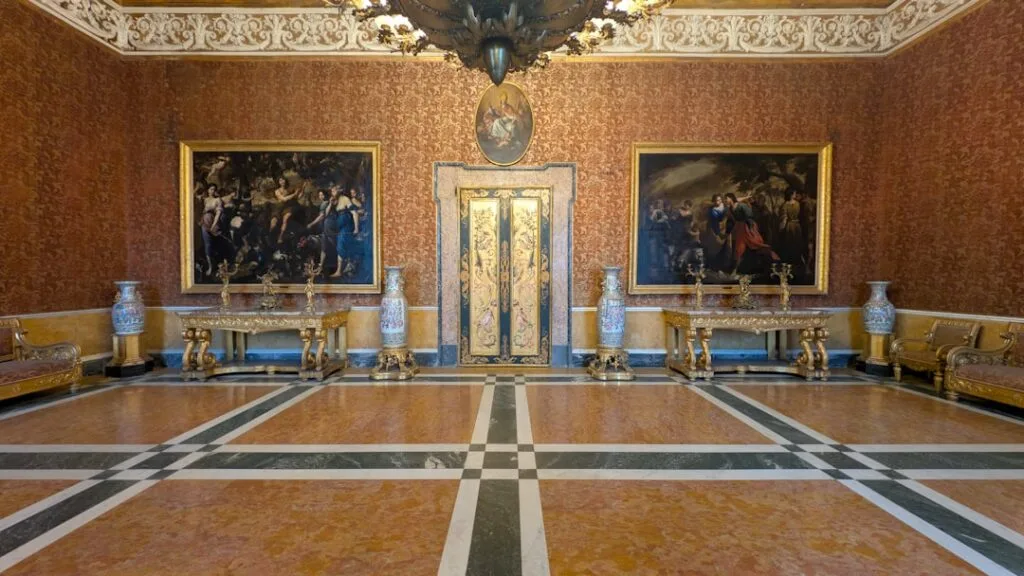






Introduction: a baroque gem in the heart of Naples
The Teatro di San Carlo — often just called the San Carlo Theatre — is not only the oldest opera house in Europe; it has been the musical and cultural heartbeat of Naples since it opened in 1737. Tucked into the historic centre, just steps from the broad Piazza del Plebiscito and the Palazzo Reale di Napoli, San Carlo has hosted world premieres, welcomed the greatest composers and performers, and reflected the city’s political and social history. Step across the threshold and you’ll immediately feel that generous Italian sense of theatre: a painted ceiling, classic horseshoe boxes upholstered in velvet and gilding, and an acoustic reputation that has long been the theatre’s calling card.
Visiting the Teatro di San Carlo is a full sensory experience: the sumptuous sight of the interior architecture, the scent of old wood and fabrics, the hushed squeak of shoes in the foyer, and the resonance of an instrument being tuned on stage. You can experience it in different ways — attend a performance, book a historical guided tour, or simply wander the foyer and the small attached museum. Each option reveals another facet of the theatre’s story, from King Charles III of Bourbon’s decision to build it, to recent restorations that preserved its original splendour while modernising the backstage.
In this article we’ll walk you through planning a successful visit: how to get there, best times to go, which tickets to buy and what to expect price-wise. We’ll also describe the main spaces — the auditorium, the stage, the royal box, the foyer and the museum — and suggest nearby sites to combine for a full day of exploring Naples. Finally, you’ll find local practical tips about behaviour, nearby food to try, and tricks to avoid queues and get the most from your visit. Whether you’re an opera lover, an architecture fan or a curious traveller, San Carlo promises a deep dive into Neapolitan history and beauty.
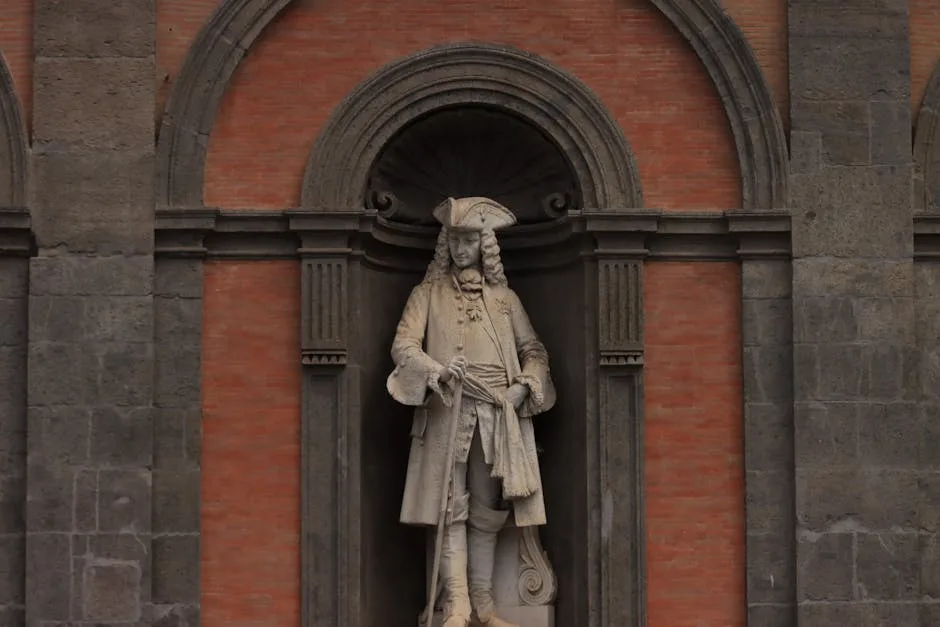
History and architecture: from Charles of Bourbon to modern restorations
The Teatro di San Carlo was inaugurated on 4 November 1737 by King Charles of Bourbon (Carlo di Borbone) to replace an older city theatre. Originally designed by architect Giovanni Antonio Medrano and decorated by artists like Giuseppe Picchiati, the theatre from the start had a royal ambition: to create a larger, more prestigious opera house than those of its day. Over the centuries San Carlo has undergone dramatic changes — fires, renovations and technical upgrades — yet it has always kept its baroque identity.
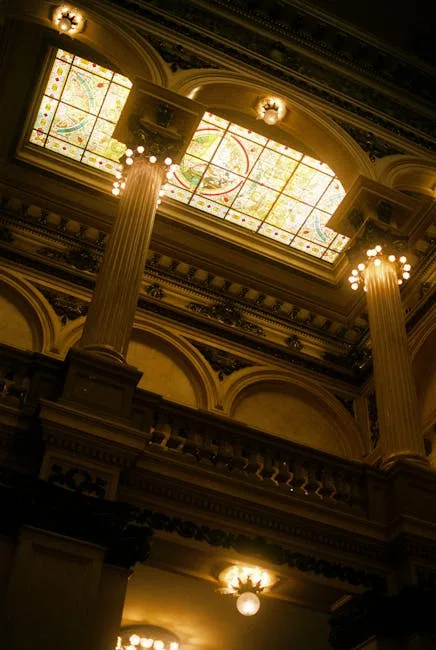
The restrained, majestic exterior hides a lavish interior: the horseshoe-shaped auditorium, with seven tiers of boxes, immediately draws the eye with its perfect rows, abundance of red velvet and gilded mouldings. The painted ceiling, completed in the 19th century, and the grand central chandelier add to the refined theatrical atmosphere. The acclaimed acoustics are the result not only of the materials used but also of the auditorium’s geometry, designed to amplify the natural human voice in an era before electronic sound systems.
Recent renovation work (20th–21st centuries) has aimed to reconcile heritage conservation with contemporary needs: modernising stage technology (machinery, lighting), improving safety standards and making the theatre adaptable to international productions. The theatre also houses the Museo del Teatro di San Carlo, where historic costumes, original scores and stage objects are preserved, illustrating the major moments in San Carlo’s operatic life.

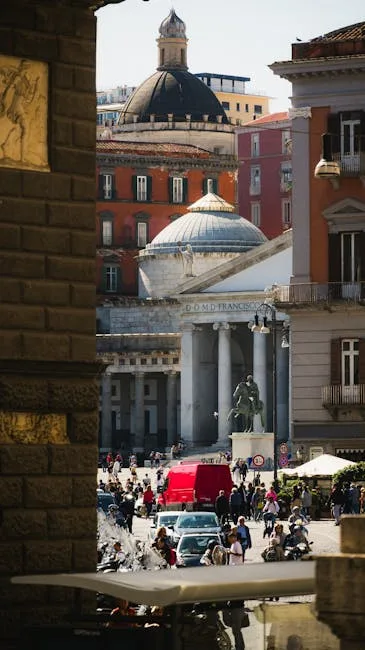
Official address and landmarks: the Teatro di San Carlo is located at Via San Carlo, 98, 80132 Napoli NA, Italy, just southwest of the Piazza del Plebiscito. Nearby you’ll find the Palazzo Reale di Napoli (Royal Palace), the Galleria Umberto I and the Castel Nuovo (Maschio Angioino) — all great sites to combine with your visit.
Visiting San Carlo: tickets, prices and practical hours
Before you go, it’s useful to know the access options. Teatro di San Carlo offers several formulas: performance tickets (opera, ballet, concerts), guided tour tickets and combo tickets that sometimes include the museum. Prices vary widely depending on the event and seat — here’s a practical overview to help budget your visit.
Performance tickets:
- Standing/gallery: from about €20 (depending on programme and availability).
- Balcony/box seats: typically between €40 and €120, depending on the tier and view.
- Stalls and central boxes: can reach €150–€300 for major productions or premieres.
These ranges are indicative: for premieres and major international productions expect to pay more, sometimes well over €300 per seat.
Guided tours and museum:
- Standard guided tour (in Italian or Italian/English): around €12 for adults, reduced rate ≈ €8 for students, seniors and children (indicative — check current box office prices).
- In-depth guided tour (backstage and museum access): about €18–€25 depending on the route and temporary exhibitions.
- Building and museum combos: combo tickets are sometimes offered starting from about €15.
Guided tours usually last 45–60 minutes and are often available several times a day, in the morning and afternoon.
Practical hours:
- Box office: generally open Monday to Saturday, 09:00–18:00; hours vary by season and programming.
- Guided tours: frequently scheduled between 10:00 and 17:00, with additional slots on performance days (times vary).
- Performances: evening shows typically start between 19:00 and 20:30; there are sometimes matinees at 16:00 on Saturdays/Sundays depending on the season.
It’s advisable to check the Teatro di San Carlo’s official website to confirm times and buy tickets in advance, especially in high season (spring–summer) and during festivals.
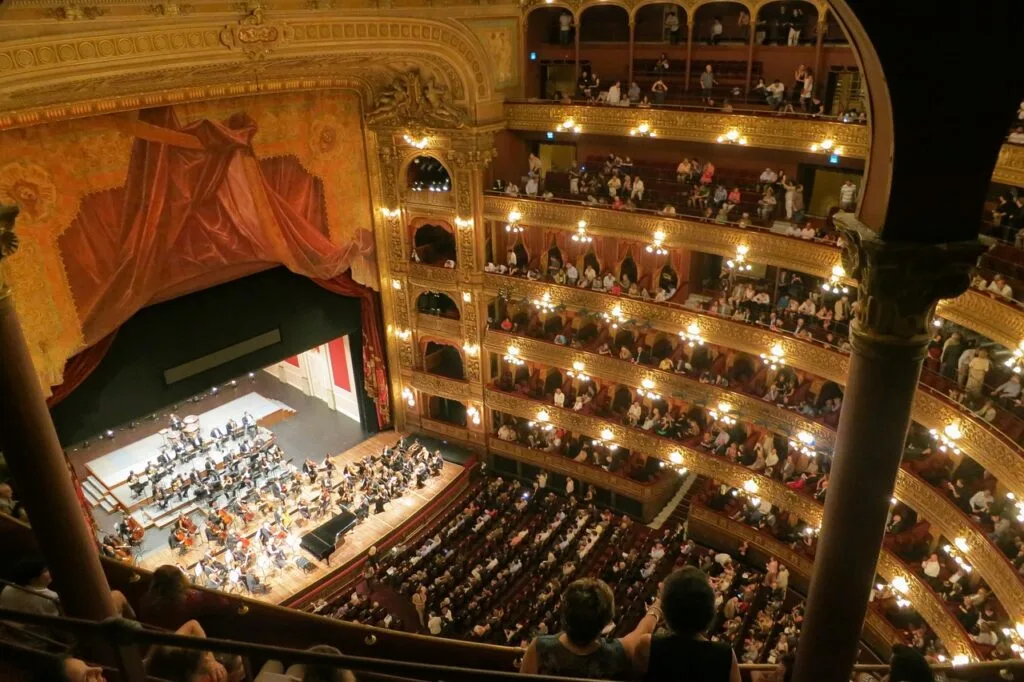
Unmissable spaces: stage, foyer, boxes and museum
Stepping into the San Carlo foyer feels like crossing from everyday life into artistic ceremony. The foyer (reception and hall) is a meeting place rich in sculptures, paintings and decorative details. At intermission it becomes the theatre’s beating heart, with audiences in elegant dress exchanging conversation in multiple languages.
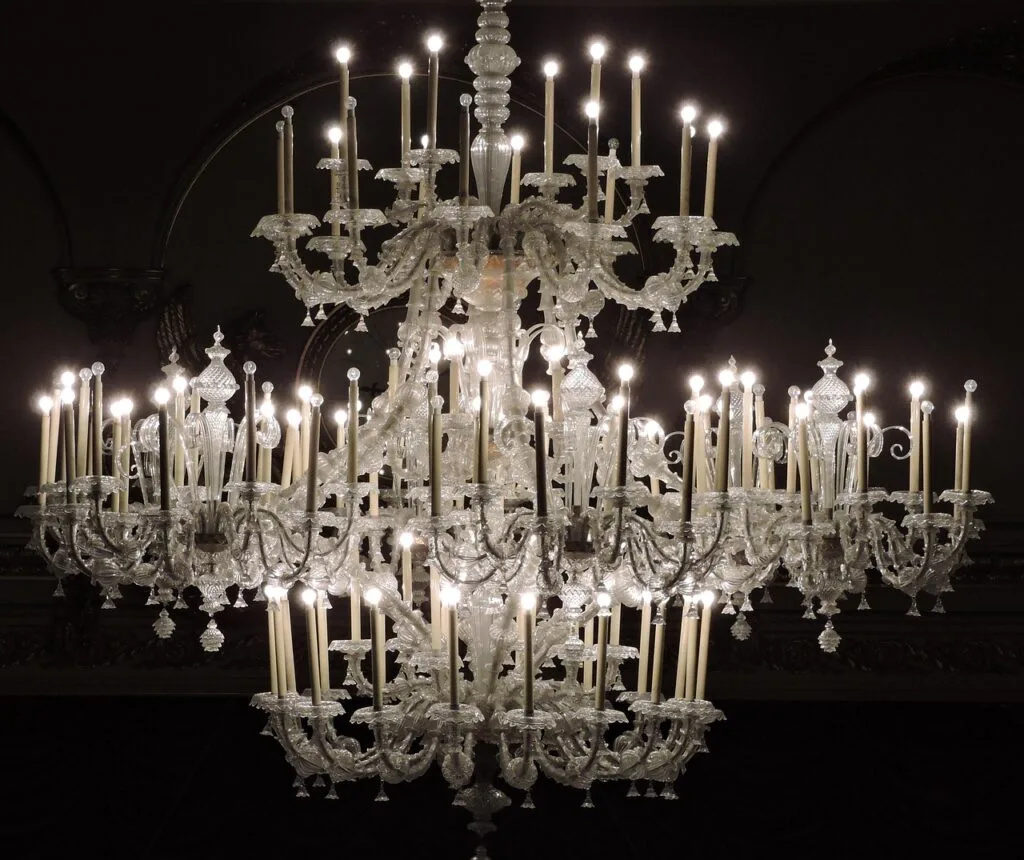
The horseshoe auditorium is probably the most photogenic space: stacked red-velvet boxes create a striking vertical perspective. Among them, the royal box — historically reserved for the Bourbon family — is lavishly decorated with gilt details, draperies and upholstered seats and offers a central view of the stage. This box embodies the original link between power, prestige and artistic performance.
The stage and backstage are highlights of the specialised guided tours. You’ll see the theatre’s machinery — pulley systems, platforms and movable sets — which already enabled spectacular scene changes in the 19th century. The Museo del Teatro di San Carlo displays historic costumes, autographed scores (sometimes signed by Rossini or Donizetti), archival photos and posters, tracing the theatre’s major programming milestones.
Photography tip: to take interior shots without disturbing others, choose angles from the foyer entrance, the upper boxes and the ceiling’s light projections. Some areas may be restricted for conservation reasons; always follow the rules and no-flash policies.
Local practical tips: getting around, eating and blending into Neapolitan life
San Carlo is perfectly placed to pair with other Naples highlights. Here are practical details to help you make the most of your day.
Getting there and transport:
- Address: Via San Carlo, 98, 80132 Napoli NA, Italy.
- Nearest metro: Metro Line 1 — Toledo or Municipio station (Municipio is closer to Piazza del Plebiscito depending on your walking route).
- Buses & trams: several lines serve the area around Piazza del Plebiscito and the Royal Palace.
- Taxis: ask for “Teatro di San Carlo, Piazza del Plebiscito”; watch for higher fares at night.
Where to eat nearby:
- Gran Caffè Gambrinus — Piazza Trieste e Trento, 25: a historic café for a Neapolitan coffee and pastries (coffee prices ≈ €2–€5).
- Ristorante Caruso — near the Palazzo Reale: refined Neapolitan cuisine (main dishes €15–€35).
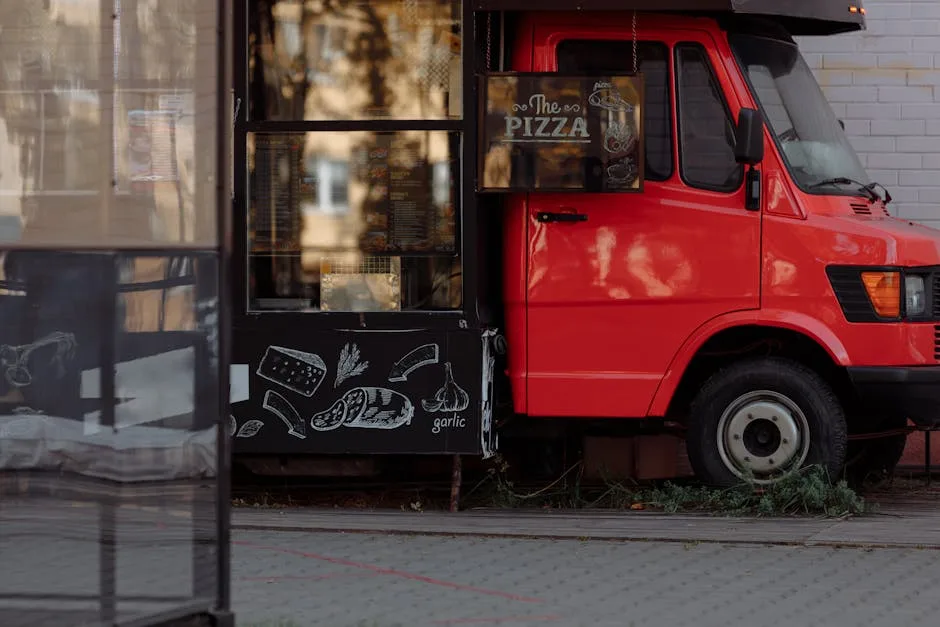
- For a quick bite, don’t miss pizza al taglio or a margherita pizza from a local pizzaiolo (prices ≈ €4–€10 depending on size).
These spots are perfect for extending the Neapolitan experience before or after a performance.
Behaviour and visit tips:
- Dress code: for evening performances, smart dress is appreciated; not mandatory, but avoid overly casual attire for premieres.
- Arrive early: if you have balcony or box seats, arrive 30–45 minutes before doors open to save time and enjoy the foyer.
- Booking: buy tickets online in advance for popular evenings; guided tours have limited capacity.
- Languages: tours are often mainly in Italian; ask the box office about English tours or request an English information sheet.
- Accessibility: the theatre has taken steps to improve accessibility, but some boxes and galleries can be hard to reach; contact the welcome desk for specific needs.
Suggested routes and things to do around San Carlo
To get the most from your visit, combine the Teatro di San Carlo with a walking tour of the royal quarter and the waterfront. Here are two route suggestions depending on how much time you have.
Short route (2–3 hours):
- Start at Piazza del Plebiscito: admire the Basilica of San Francesco di Paola and the vista towards the palace.
- Quickly visit the Palazzo Reale di Napoli (Piazza del Plebiscito, 1) — museums and royal apartments (separate ticket ≈ €6–€12).
- Stroll through the Galleria Umberto I for some shopping and photos.
- Finish with a guided tour of the Teatro di San Carlo (Via San Carlo, 98).
Long route (half-day or full day):
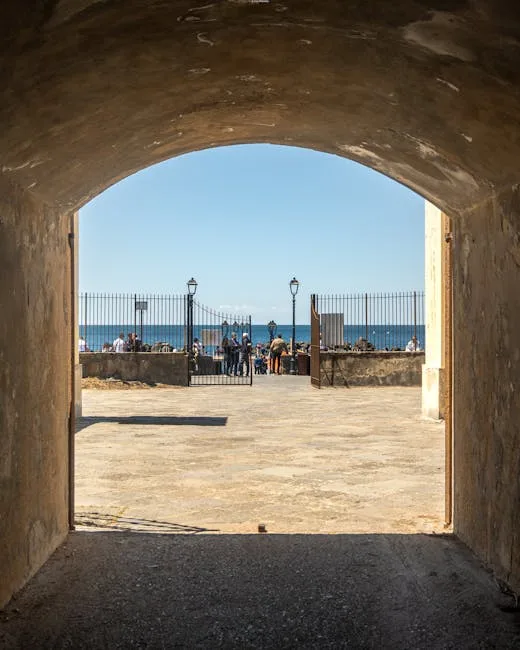
- Morning: explore Castel Nuovo (Maschio Angioino) — Piazza Municipio — and walk the seafront promenade (Via Partenope).
- Lunch: enjoy seafood on the Riviera di Chiaia or pizza in the Spanish Quarter.
- Afternoon: visit the Museo Archeologico Nazionale di Napoli (Via Museo, 19) to deepen the historical context.
- Evening: attend a performance at the Teatro di San Carlo (book ahead).
 Click here to book your ticket for the National Archaeological Museum
Click here to book a Vesuvius and Pompeii tour
Click here to buy a ticket for the Royal Palace of Naples
These routes mix culture, history and culinary pleasures — all useful for understanding the Teatro di San Carlo’s role in a city where music and daily life are closely intertwined.
Practical summary
Address: Via San Carlo, 98, 80132 Napoli NA, Italy.
Box office / indicative hours: Box office usually open Monday to Saturday 09:00–18:00 (check online).
Indicative prices: Guided tours ≈ €12 (adult); performance tickets from €20 to €300 depending on seat and show.
Official site: check for programmes, tickets and accessibility information before you go.
Conclusion: why the Teatro di San Carlo is worth a visit
The Teatro di San Carlo is much more than a building: it’s a living monument that has told Naples’ musical and social story for nearly three centuries. Crossing its doors brings a cascade of emotions — the awe of baroque ornamentation, admiration for dramatic stagecraft and recognition of the theatre’s influence on European opera. Whether you’re an aficionado or a curious traveller, a visit here reveals the intimate bond between Naples and music, visible in the audience’s passion, the quality of productions and the careful preservation of priceless heritage.
Plan your visit carefully to get the most out of it: book in advance for an evening performance, choose a guided tour to hear the best anecdotes, and combine the visit with nearby sites — Piazza del Plebiscito, Palazzo Reale di Napoli and Castel Nuovo — for a full day out. Don’t forget Naples’ simple pleasures: coffee at Gran Caffè Gambrinus, an authentic slice of pizza and a walk along the waterfront to round off the cultural experience.
Finally, remember that the Teatro di San Carlo is a living theatre: programmes change, sets are renewed and the audience evolves. By visiting today you become part of an ongoing story. To prepare your visit, check times and prices on the official website and contact the box office for accessibility or special tour requests. San Carlo awaits: let yourself be carried away by the beauty, history and song that have made Naples vibrate since 1737.