





Introduction — Naples: sea, markets and memories
Naples beats to the rhythm of the sea. The waterfront (il lungomare e i porti) is more than a border between land and water: it’s a horizon of smells, colors and traditions where every stone has a story to tell. From Molo Beverello to Castel dell’Ovo and along Lungomare Caracciolo, Naples’ coastal stretch concentrates historic markets, landmark monuments and popular promenades that echo centuries of Mediterranean exchange. Walking the waterfront is to move between stalls of smoking fish, nativity artisans, baroque palaces and Roman fortresses. It’s a full-sensory experience where taste, sound, touch and sight are always engaged.
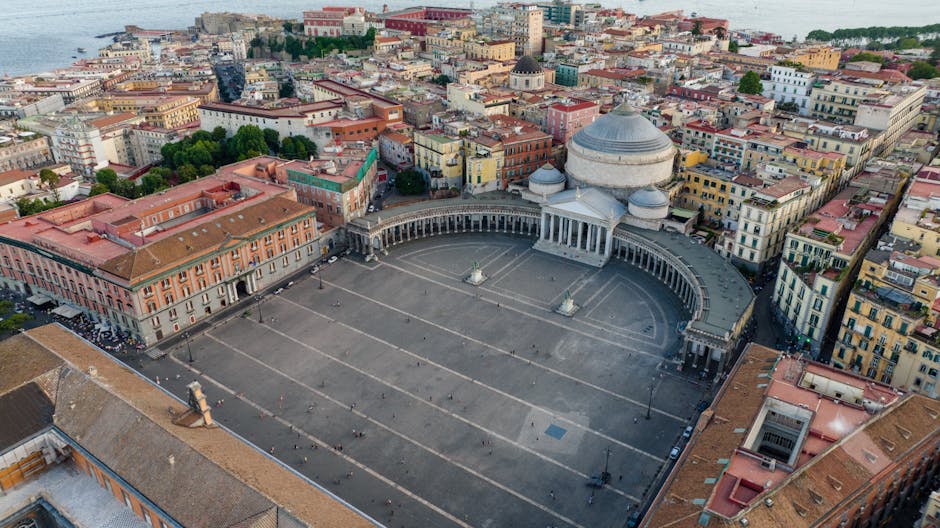
The markets around the quay have long supplied the city with seafood and exotic goods brought in by ships. Mercato di Porta Nolana and Mercato di Poggioreale (flea market and food market) are unmissable spots where the whole neighborhood hums in an improvised choreography of haggling, apprentice criers and fishmongers sometimes hoisting still-flopping catches. A few steps away, alleyways like Via San Gregorio Armeno—famous for its nativity crafts—and the grand expanse of Piazza del Plebiscito remind you that Naples blends commerce and monuments, everyday life and spectacle.
The waterfront is also home to major monuments: Castel Nuovo (Maschio Angioino) dominates the land approach to the port, Teatro di San Carlo watches over the historic core nearby, and the Museo Archeologico Nazionale houses treasures unearthed beneath the city’s layers. And perched on a rocky islet, Castel dell’Ovo offers one of the most photogenic views over the Gulf of Naples. Each site has its own hours, prices and rules — knowing the details changes the visit and saves you from lines, surprises and frustrations.
This guide aims to give you a complete reading of Naples’ seafront: exact addresses, up-to-date opening times, prices in euros, immersive descriptions and practical tips to explore the historic markets and monuments around the waterfront like a savvy local. Whether you’re a food lover, a photographer chasing the perfect light, a history buff or a casual stroller searching for atmosphere, you’ll find routes, landmarks and tricks to make the most of every stop.
The port and the quay: Molo Beverello, Porto di Napoli, Lungomare Caracciolo
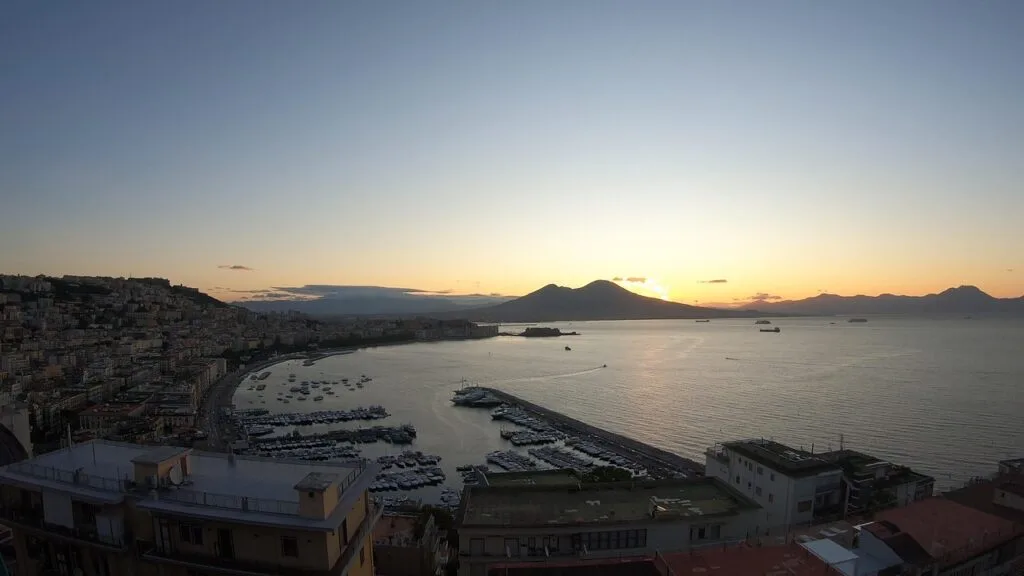
Molo Beverello is the bustling heart of Naples’ port, the departure point for hydrofoils and ferries to the islands (Capri, Ischia, Procida) and the Amalfi Coast. Located at Piazza Municipio, 80133 Napoli, it sits beside the main Porto di Napoli. The Lungomare Caracciolo stretch (Via Partenope and Via Francesco Caracciolo) extends westward, offering an iconic promenade lined with cafés, wrought-iron chairs and direct views of Vesuvius and the islet of Megaride.
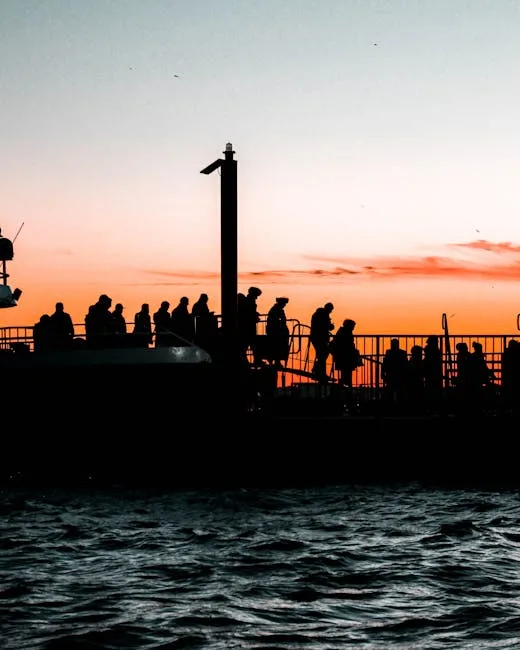
Address: Molo Beverello, Piazza Municipio, 80133 Napoli. Hours: the port area is accessible at all hours; ticket counters for operators typically open between 06:00 and 21:00 depending on the company. Prices: the promenade is free; ferries, for example Naples–Capri one-way run about €20–25 depending on season and vessel type. Tip: arrive 45–60 minutes before departure in high season (July–August) and check the weather — services can be disrupted by rough seas.
The Lungomare is perfect at early morning for that low-angle light on the water, or at sunset when palace façades turn golden. Street vendors here sell sfogliatelle, babà and small portions of frittura di paranza (mixed fried fish). For a more refined stop, historic cafés like Gran Caffè Gambrinus (Piazza Trieste e Trento, 80132 Napoli) are just minutes away and offer a Neapolitan espresso to stand and drink for around €1–1.50.
Practical tips: keep valuables secure — the area is usually safe but very busy; bring a light jacket for evenings as the sea breeze can cool things down even in summer; for a panoramic view, head up to the belvedere at Castel dell’Ovo at the end of the Lungomare (outdoor areas are free, guided tours may be paid).
 Click here to discover Capri and the Blue Grotto by boat
Click here to explore the Amalfi Coast on a boat tour
Mercato di Porta Nolana — fish market and living traditions
Mercato di Porta Nolana is Naples’ most famous fish market, a place where tradition and sensory intensity meet. Address: Via Nolana, 80144 Napoli (Porta Nolana area, near Porta Nolana station). Hours: generally open Monday to Saturday from 06:00 to 14:00; some stalls open very early, others stay until early afternoon. Prices: stall offerings vary daily — local fish like baccalà, anchovies and octopus can sell from €6–15/kg depending on season; a portion of fritto misto on site roughly €5–8.
The market is known for its loud, joyful atmosphere: fishmongers calling out their best catches, local buyers bargaining loudly and salty scents mixing with fresh herbs. Visually it’s a kaleidoscope — the silver of scales, the red of tomatoes, the green of lemon trees and the yellow of nets. Photographers will love close-up shots of the catch and prep scenes, while food lovers can follow the whole chain: buy, prepare and taste in one of the nearby tiny trattorie.
Local tips: buy fish very early in the morning for top freshness; if you cook, don’t be shy to haggle when buying in quantity; try nearby street specialties like frittatina di pasta (fried pasta ball), often sold for €2–3. To avoid crowds, go midweek early morning. Watch out for wet plastic bags and slippery floors — closed shoes are recommended.
Click here to taste street food with a local guide
Mercato di Poggioreale and Via Marina — popular finds and flea markets
East of the center, Mercato di Poggioreale is an institution for textiles, shoes and bargain goods. Address: Via Poggioreale, 80143 Napoli (near Napoli Porta Nolana station and Via Ferrante Imparato). Hours: open Monday to Saturday, 08:00 to 14:00; some sections stay open in the afternoon. Prices: clothing and shoes can start from €5–20 depending on quality; new items and counterfeits circulate, so stay alert. A highlight: flea markets and antique stalls often set up Sundays near the Ponticello di Via Marina offering unique vintage pieces for €10–60.
Poggioreale is ideal for travelers hunting bargains and wanting a taste of Naples’ commercial bustle. The experience is less touristy than Porto or Mergellina—rawer, more authentic. You’ll see families bargaining, street vendors offering to guide you to the best items, and repair workshops for shoes and tailoring. It’s also a good spot to find quality shoes, coats and accessories at friendly prices.
Practical tips: if buying clothes check seams and condition carefully; be wary of card payments at stalls — carry cash; for second-hand electronics ask to test items before buying. Use public transport (Metro Line 1 or buses) to reach Poggioreale and avoid showing flashy signs of wealth. The neighborhood is welcoming but working-class — keep a practical mindset.
Via San Gregorio Armeno, Spaccanapoli and the nativity workshops
The famous Via San Gregorio Armeno is the street of nativity scenes (presepi), where artisans have shaped figures in terracotta, papier-mâché and wood for generations. Address: Via San Gregorio Armeno, 80138 Napoli (historic center, Spaccanapoli area). Hours: shops typically open from 09:30 to 20:00; during high season and at Christmas hours are extended. Prices: small figures start at €5–10; custom figurines or hand-carved pieces €30–200 depending on size and detail; complete nativity scenes may exceed €500 for artisanal works.
The street is immersive: scents of waxed wood, flashes of fresh paint and the clink of sculptors’ tools. Here, craft is not just decorative—it tells the faults, hopes and humor of Naples. Shops display not only the Nativity but contemporary figures—footballers, politicians and local celebrities turned into santons. Spaccanapoli, the lane that literally cuts through the historic center, is where religious tradition and popular bustle meet: churches, tiny cafés and workshops line up.
Practical tips: don’t hesitate to step into workshops to watch craftsmen at work and talk with them—many enjoy explaining their skills and sometimes offer demonstrations. For an authentic souvenir favor signed or numbered pieces and ask for a certificate of origin if available. If you travel in winter, bring a reinforced bag to protect fragile figures during transport.

Castel dell’Ovo, Maschio Angioino and the seafront monuments
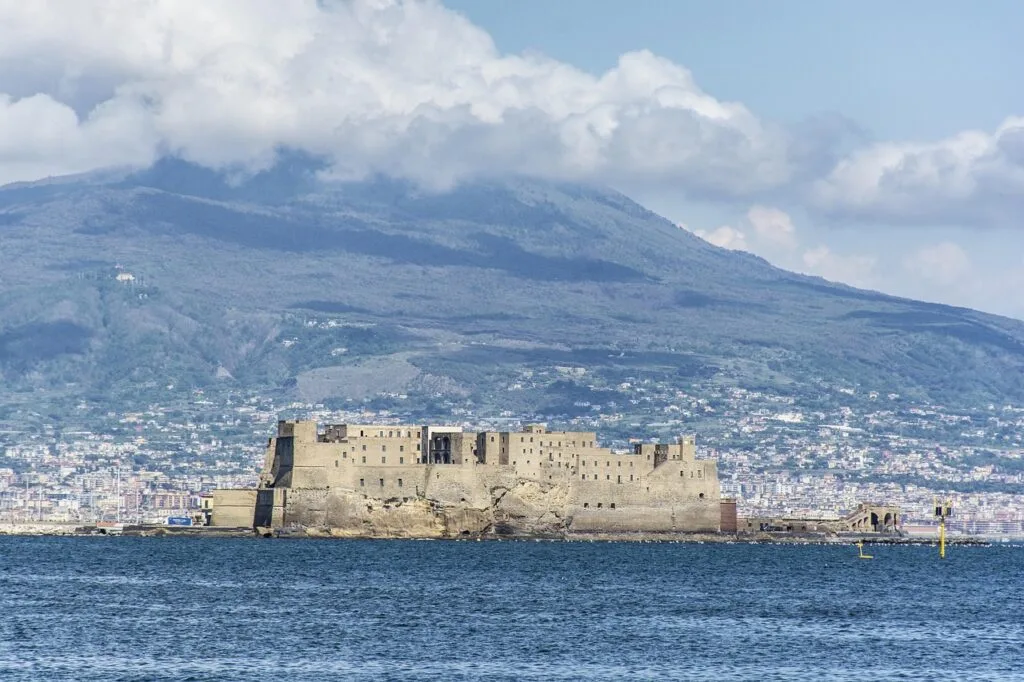
Naples’ seafront is lined with monuments that tell the city’s strategic and cultural history. Castel dell’Ovo, perched on the islet of Megaride, is one of the most picturesque. Address: Via Eldorado, 3-4, 80132 Napoli. Hours: exterior open at all times; guided tours and temporary exhibitions vary, usually 09:00–19:00 in season. Prices: outdoor access is free; exhibitions or guided tours typically cost €3–6 depending on the event.
Nearby, Maschio Angioino (Castel Nuovo) stands as the medieval symbol of Naples’ maritime gateway. Address: Via Vittorio Emanuele III, 80133 Napoli (Piazza Municipio). Hours: the museum is generally open 09:00–19:00, closed some Mondays — check before you go. Prices: museum + tours €6–10 depending on exhibitions. Teatro di San Carlo (Piazza del Plebiscito, 80132 Napoli) is one of Europe’s oldest opera houses; guided tours and tickets vary: guided tour about €7–12, show tickets €10–150 depending on seat and performance.
Immersive description: from the ramparts of Maschio Angioino you take in the harbor basin, the comings and goings of boats and the bustle of the quays. The stones, darkened by centuries, still bear graffiti and marks left by successive garrisons. Castel dell’Ovo, by contrast, offers a more intimate stroll: stone terraces, benches overlooking the sea and, on clear days, a glimpse of Capri on the horizon — the sunset here is almost a local ritual.
Tips: to avoid crowds at Maschio Angioino, aim for the first hour after opening; at Castel dell’Ovo evenings are best for light and atmosphere. Wear comfortable shoes—the ramparts and cobbled alleys can be uneven. And if you plan to attend an opera at Teatro di San Carlo, book tickets weeks in advance during high season.
Click here to discover the best of Naples on foot
Museo Archeologico Nazionale and cultural routes around the waterfront
The Museo Archeologico Nazionale di Napoli (MANN) houses one of Europe’s richest ancient collections, largely from the excavations at Pompeii and Herculaneum. Address: Piazza Museo, 19, 80135 Napoli. Hours: usually open Tuesday to Sunday 09:00–19:30, closed Monday (check public holidays). Prices: standard admission around €12–15; discounts for students/young people and free entry some Sundays per month under ministerial policy. Temporary exhibitions may have specific fees.
The museum is a natural follow-up to a seafront stroll: it helps contextualize the omnipresence of the sea in local history, from amphorae and mosaics to everyday objects recovered from the ash. The galleries are extensive — plan at least 2–3 hours if you want to see the highlights, including the Hall of Columns, the Villa dei Papiri mosaics and the Farnese collection.
Practical tips: buy tickets online to skip lines, especially in high season; get an audio guide (often €5–7) to understand the main pieces; combine the visit with a walk to Piazza del Plebiscito and Galleria Umberto I (Via San Carlo, 80132 Napoli) for a full cultural day. Don’t forget to visit the botanical garden and the small cafés around the museum for a quiet break after the tour.
Click here to book your ticket for the National Archaeological Museum
Final practical tips for exploring markets and monuments
Getting around the waterfront and Naples’ historic markets requires a mix of preparation and openness to the unexpected. Here are concrete recommendations:
- Transport: favor the metro (Line 1), funiculars for higher neighborhoods like Vomero, and walking for the historic center. Official taxis leave from marked ranks (e.g. Piazza Municipio); ask for an approximate fare before you get in.
- Safety: keep valuables in inner pockets or anti-theft belts. Pickpockets work where crowds gather (markets, bus stops).
- Opening times: markets often close in the afternoon; plan food shopping for the morning. Monuments have closed days (some museums are often closed on Mondays).
- Money: many stalls accept cash only — carry notes and small change. ATMs are common but may charge fees.
- Food: don’t miss Neapolitan pizza (buffalo mozzarella, San Marzano tomatoes), sfogliatella and strong espresso. Dining budget: street food €3–8, trattoria €12–30 per person.
- Local respect: for visits to churches and religious monuments cover shoulders and legs if requested; avoid eating inside sacred spaces.
Sample day itinerary
Morning: rise early, Porta Nolana market (06:00–09:30) for fish and a sfogliatella breakfast. Mid-morning: stroll the Lungomare Caracciolo to Castel dell’Ovo. Noon: lunch in a Mergellina trattoria (frittura di paranza). Afternoon: Museo Archeologico Nazionale, then Via San Gregorio Armeno and Spaccanapoli. Evening: aperitivo at Piazza del Plebiscito and, if possible, a performance at Teatro di San Carlo.
Conclusion — Naples: a waterfront where past meets present
Naples’ waterfront and its surroundings are more than geographic spots: they form a cultural backbone linking lively markets, historic monuments and contemporary life. By wandering Molo Beverello, strolling along Lungomare Caracciolo, exploring the alleys of Mercato di Porta Nolana or visiting the workshops of Via San Gregorio Armeno, you’ll see how Naples marries the urgency of the present with the depth of the past.
Each market has its own tempo and character: Poggioreale for bargains, Porta Nolana for the freshest seafood, Via San Gregorio Armeno for craft and popular soul. Monuments—from Maschio Angioino to Castel dell’Ovo and Teatro di San Carlo to the Museo Archeologico Nazionale—provide spatial and temporal anchors that enrich the visitor’s experience. The addresses, hours and prices in this guide will help you plan your days and avoid disappointments.
Ultimately, the essence of Naples lies in the details: a fishmonger’s hand offering his catch, the smile of a craftsman showing you a figurine, a terrace where you share a coffee after a visit. Respect the places, strike up a conversation, taste freely and let yourself be carried by this unique port-city alchemy. With these practical pointers and immersive suggestions, you’re ready to discover the historic markets and monuments around Naples’ waterfront as a curious, respectful and well-prepared traveler.