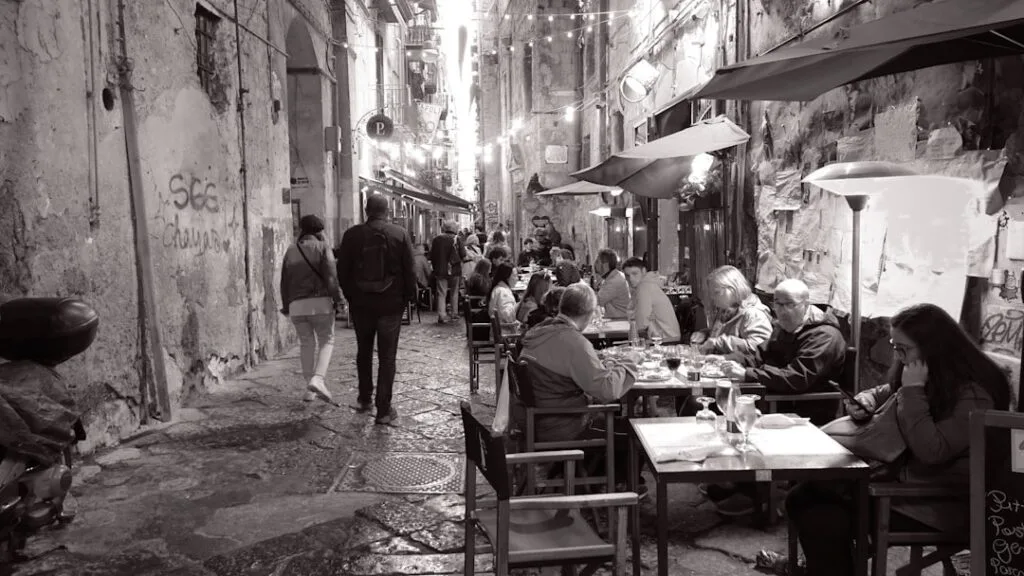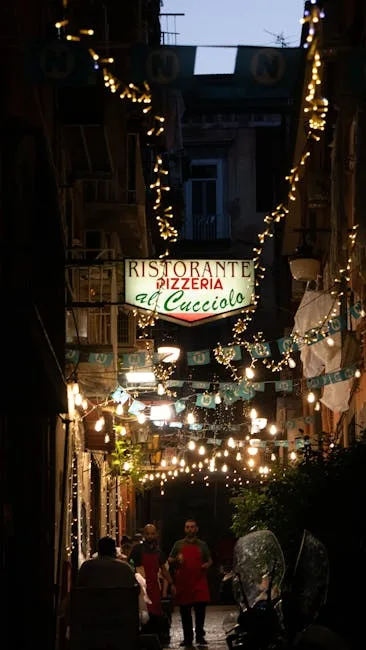






Introduction: Naples, the heart of the true pizza
Naples isn’t just a city — it’s a culinary poem written in dough, tomato and basil. Where the Mediterranean embraces the bay, pizza took root and grew amid markets, boats and songs. But in the bustling alleys of the città, one question keeps coming up for hungry travelers and picky locals alike: should you hunt for the true Neapolitan in a pizzeria, or seek it out at the more formal ritual of a ristorante?
To answer that, you first need to understand the difference in philosophy. A Neapolitan pizzeria is a stage: wood-fired ovens, brick hearths, pizzaioli working with gestures passed down through generations. The ristorante, meanwhile, represents a seated meal: longer menus, food-and-wine pairings, and sometimes more elaborate presentations. Neither is inherently “better” — but finding the real Neapolitan pizza means looking for the living signs of a respected tradition.
This guide doesn’t just stay theoretical: it will lead you into the streets and up to the ovens. We’ll mention iconic spots — L’Antica Pizzeria da Michele, Pizzeria Sorbillo, Pizzeria Di Matteo, Pizzeria Starita — with exact addresses, opening times, indicative prices in euros and practical tips. We’ll also point out ristoranti where pizza takes on more contemporary variations without betraying the Neapolitan spirit.
Along the way you’ll learn how to recognize hand-stretched dough, a well-formed cornicione (the rim), respectful use of San Marzano tomatoes, and most importantly the quick, high-heat bake of a wood-fired oven. You’ll get local tips: when to go to avoid queues, what to order by season, how to behave at the table, and how to read a menu that may seem simple but often conceals authenticity.
Get ready to smell steam from a pizza pulled straight from the oven, to inhale freshly torn basil, and to hear Neapolitans explain why the margherita is more than a pizza: it’s national history on a disc of dough. It’s not just a matter of taste, but of place, motion and culture. Let’s go: together we’ll discover how to crown the true Neapolitan — pizzeria, ristorante, or sometimes both — across Naples’ lively neighborhoods.
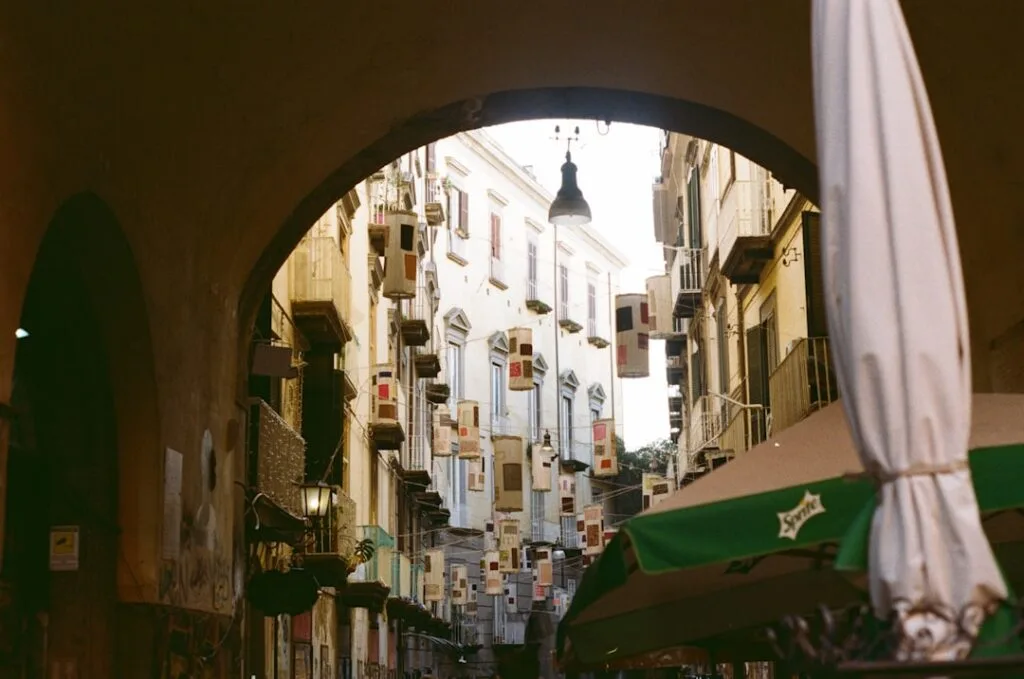
History and rules: understanding Neapolitan pizza
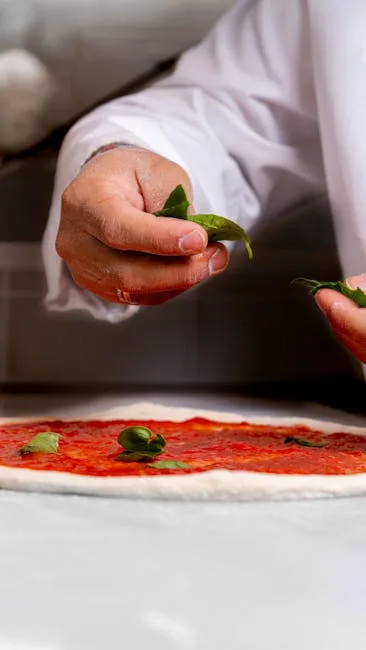
To spot a genuine Neapolitan pizza you have to go back to its origins. The pizza as we know it took shape in the 19th century in Naples’ working-class neighborhoods: Sanità, Forcella, Spaccanapoli and the Decumani. Key ingredients — San Marzano tomatoes, mozzarella di bufala campana, extra-virgin olive oil and fresh basil — identify a pie that honors its terroir. The dough is made with low-protein flour, water, salt and a slow fermentation that creates a bubbly texture. Cooking is brief (60–90 seconds) in a very hot wood-fired oven (400–480 °C).
The rules aren’t only technical: they’re institutional too. The Associazione Verace Pizza Napoletana (AVPN) defines the characteristics of a “vera pizza napoletana” — roughly 30 cm in diameter, a puffed rim (cornicione), a thin, supple center, San Marzano or peeled tomatoes and local mozzarella. These markers help evaluate a pizza, but in Naples context matters: the vibe of the pizzeria, the presence of an authentic wood oven, and the way the pizzaiolo stretches and handles the dough are just as telling.
At the same time, the ristorante often takes a different approach: longer menus, trained chefs, and sometimes modern reinterpretations of pizza or “gourmet” versions. In Naples, some ristoranti remain tightly linked to tradition, while others create contemporary forms — long-fermentation pies, rare ingredients, unexpected pairings (for example, stracciatella instead of mozzarella). So the choice between pizzeria and ristorante depends on what you’re after: popular, immediate authenticity or a seated, conceptual experience.
One key point for visitors: Neapolitan pizza is meant to be eaten hot, straight from the oven. A pizzeria’s service is geared toward preserving that quality. In a ristorante, staging can sometimes delay tasting intentionally. Beware of variants that look more like American pizza (thick crust, long bake in an electric oven): they have their place, but they are not the “vera napoletana.”
Finally, understanding the codes also means knowing the neighborhoods and landmarks where the best examples are found. The Decumani concentrate historic pizzerias: Via dei Tribunali (home to Pizzeria Di Matteo and Pizzeria Sorbillo), Via Cesare Sersale (L’Antica Pizzeria da Michele), and the Materdei area (Pizzeria Starita). Nearby cultural anchors — Duomo di Napoli (Via Duomo, 149), Piazza del Plebiscito and Castel dell’Ovo — are useful reference points for planning your culinary and sightseeing stops.
Must-visit pizzerias: where to find the real Neapolitan
Neapolitan pizzerias are institutions. Here’s a selection of emblematic addresses, with precise locations, opening hours and price ranges to guide you to the “vera pizza napoletana.”
-
L’Antica Pizzeria da Michele
Address: Via Cesare Sersale, 1, 80139 Napoli
Opening hours: generally 11:00 – 23:00 (check holidays)
Prices: Margherita €5 – €7, Marinara €4 – €6
Description: Founded in 1870, Da Michele is famous for its limited menu (two main pizzas), dough that’s pillowy and a legendary queue. The wood-fired oven remains the centrepiece and service is quick. Tip: come early to avoid peak times (13:00-15:00 and 20:00-22:00) or grab it to go.
-
Pizzeria Sorbillo
Address: Via dei Tribunali, 32, 80138 Napoli
Opening hours: 11:00 – 23:00 approx.
Prices: Margherita €7 – €9, Spezialità €9 – €12
Description: Sorbillo is a dynasty of pizzaioli. The Via dei Tribunali location draws tourists and locals with airy dough and a wide variety of toppings. Tip: if the queue is long, look for the family’s other signs around town (Galleria and other branches).
-
Pizzeria Di Matteo
Address: Via dei Tribunali, 94, 80138 Napoli
Opening hours: 10:00 – 00:00 (seasonal variations)
Prices: Pizza al metro from €12, Margherita €5 – €8
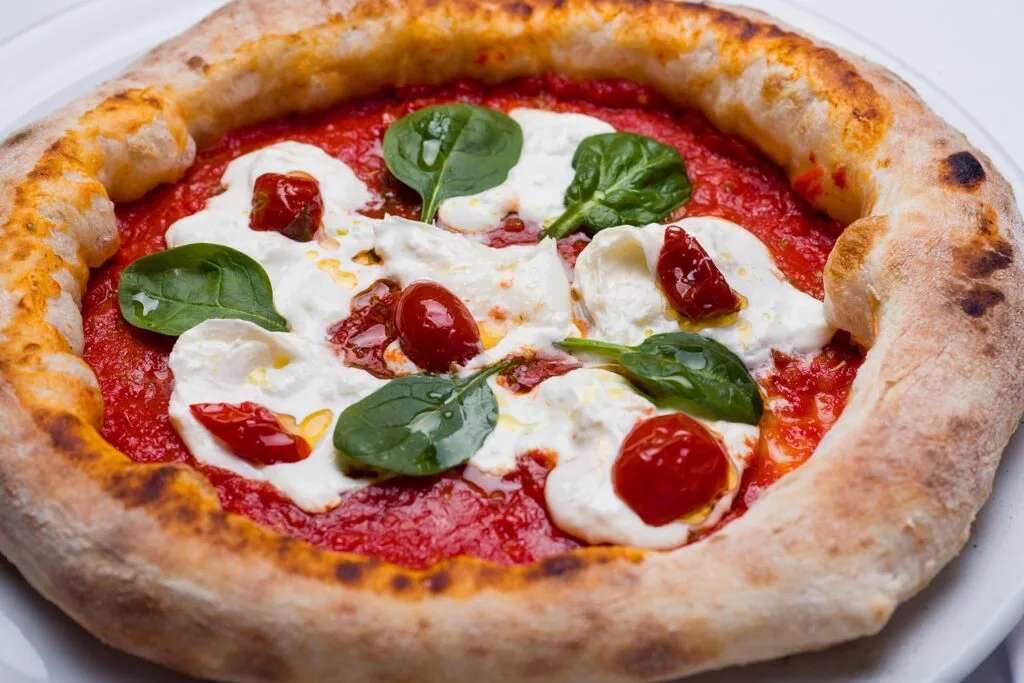
Description: Known for its fried pizzas (montanara) and featured in the film « Eat Pray Love, » Di Matteo blends tradition and conviviality. Great for a quick bite and close to historic attractions.
-
Pizzeria Starita
Address: Via Materdei, 27, 80136 Napoli
Opening hours: 12:00 – 15:00 / 19:00 – 00:00 (check for variations)
Prices: Margherita €6 – €9, Pizza montanara €5 – €8
Description: Starita serves classics and creative options, like pizza alla sfincione. The atmosphere is warm, with outdoor seating possible depending on the time and season.
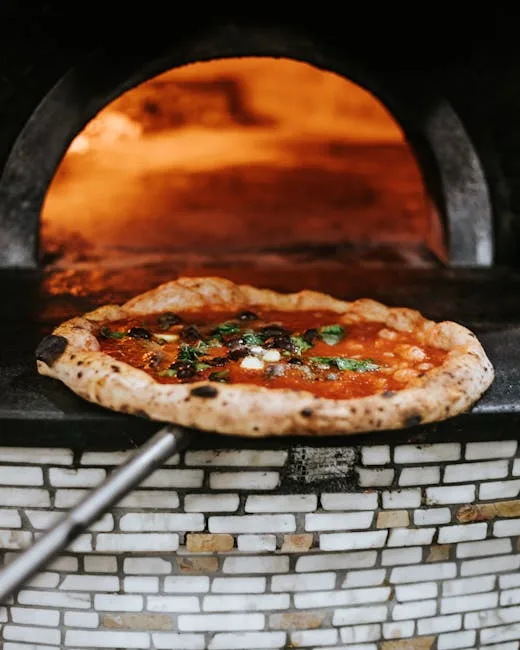
These pizzerias showcase a living tradition: hand-handled dough, quick bakes and local ingredients. But the true Neapolitan experience can also reveal itself in a ristorante — especially if you’re after a quieter evening and a menu that widens the pizza horizon.
Ristoranti and trattorie: when pizza becomes a seated experience
The word « ristorante » evokes a more structured cuisine: set tables, longer menus and often more formal service. In Naples, some ristoranti honor pizza tradition while framing it as part of a full meal. They’re perfect if you want to enjoy a pizza with starters, a good Campanian wine and a thoughtful dessert.
Notable examples:
-
Ristorante Umberto
Address: Piazza Trieste e Trento (near Galleria Umberto I), 80132 Napoli
Opening hours: 12:00 – 15:00 / 19:00 – 23:00 (may vary)
Prices: mains €15 – €30, pizzas €8 – €12, tasting menus €30+
Description: Ristorante Umberto is ideal for a more formal experience in the historic centre. The menu offers revisited Neapolitan classics and a selection of Campanian wines.
-
Trattoria da Nennella
Address: Vico Lungo Teatro Nuovo, 103/104, 80134 Napoli (Spanish Quarter – Quartieri Spagnoli)
Opening hours: 12:00 – 15:00 / 19:00 – 23:00 (seasonal)
Prices: Antipasti €6 – €12, mains €10 – €20
Description: A lively, animated trattoria known for the authenticity of its Neapolitan dishes. Here atmosphere comes first: service is theatrical and generous.
Why choose a ristorante?
- For a quiet, seated evening — ideal if you’re traveling with people who prefer a varied menu.
- To explore food-and-wine pairings: local wines such as Lacryma Christi del Vesuvio, Greco di Tufo or Falanghina pair well with pizzas and dishes.
- To taste reinterpretations of pizza, sometimes using modern techniques (long fermentation, organic flours).
That said, keep a few practical things in mind: book ahead when possible (seating can be limited), avoid touristy ristoranti right by heavily trafficked areas like Via Toledo if you’re after authenticity. Check opening hours — many close between 15:00 and 19:00. Also be ready to pay a bit more: a pizza in a ristorante can cost €10–€18 because the staging and service are included.
Neapolitan route: combine sightseeing and food stops
Naples is best experienced with all your senses: smell, listen and taste. Here’s a sample day that mixes monuments with authentic pizza stops.
 Click here to discover Neapolitan street food with a guide
Morning — Heritage and caffè
Start at the Duomo di Napoli (Cattedrale di Santa Maria Assunta), Via Duomo, 149. Opening hours: generally 9:00 – 17:00 (check variations). Then take Via dei Tribunali down toward Spaccanapoli, stopping to admire the Chapel of Sansevero (Cappella Sansevero, Via Francesco de Sanctis, 19; opening hours 9:00 – 18:00, ticket €8-€10). These sites give context to the city’s religious and artistic history.
Click here to visit the Chapel of Sansevero with an expert guide

Midday — Pizza lunch in the Decumani
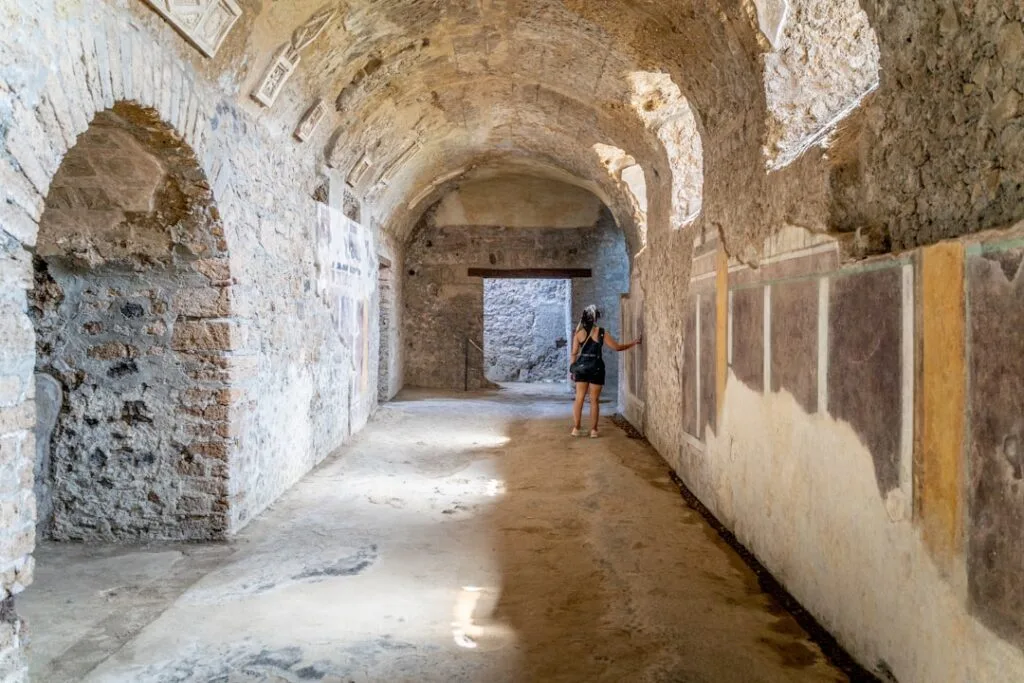
For lunch, stop at Pizzeria Di Matteo (Via dei Tribunali, 94). Try the pizza fritta or a classic Margherita (prices around €5-€8). After the meal, stroll to the National Archaeological Museum (Museo Archeologico Nazionale, Piazza Museo 19; opening hours 9:00 – 19:30, ticket about €12) for a dive into Roman and Egyptian antiquities.
Click here to visit the National Archaeological Museum with an audio guide
Afternoon — Walk and coffee on the Lungomare
Head to the Lungomare Caracciolo for a scenic walk with views of Castel dell’Ovo (Via Eldorado, 3; access to exteriors is free; interior museum hours vary). Stop for an espresso at the Gran Caffè Gambrinus (Piazza Trieste e Trento, 2) to recharge.
Evening — Dinner in a ristorante or historic pizzeria
For dinner, choose the vibe you want: for popular tradition, return to L’Antica Pizzeria da Michele (Via Cesare Sersale, 1); for a seated experience, pick Ristorante Umberto (Piazza Trieste e Trento). Prices vary: pizza €5-€12, ristorante mains €15-€35, wines €6-€40 depending on the bottle.
Practical tips for the route:
- Wear comfortable shoes: cobbles and uneven streets are common.
- Buy skip-the-line tickets for museums in high season if possible.
- Have some cash on hand and a simple plan for taxis; ride-hailing exists, but narrow alleys make walking the easiest option.
Local tips and useful vocabulary for choosing
To succeed in your quest for the “vera napoletana,” a few practical and language pointers will help. Here’s a small toolkit of tips and keywords:
- Margherita — tomato, mozzarella, basil: the basic test.
- Marinara — tomato, oregano, garlic: no cheese, historically older.
- Cornicione — the puffed rim of the pizza; it should be airy with slight charred spots (the « leopardato »).
- Forno a legna — wood-fired oven: a major sign of authenticity.
- Pizza fritta / montanara — Neapolitan specialties: note, these are fried pizzas, sometimes stuffed.
- Bufala — mozzarella di bufala campana DOP: a richer flavor than fior di latte.
Local tips:
- Order simply with « una margherita per favore » — simplicity is respected.
- Don’t ask for the dough « overcooked » — Neapolitan pizza is soft, not crispy like Roman pizza.
- If you want to sample several pizzerias in one day, share plates: pizzas are often large.
- Watch the pizzaiolo at work: observe the stretching technique and the speed of the oven placement.
- Hours: most pizzerias open around 11:00 and close between 23:00 and midnight, but check exact times by place and season.
- Reservations: essential for popular ristoranti in the evening; historic pizzerias often operate by queue.
Click here to learn how to make Neapolitan pizza
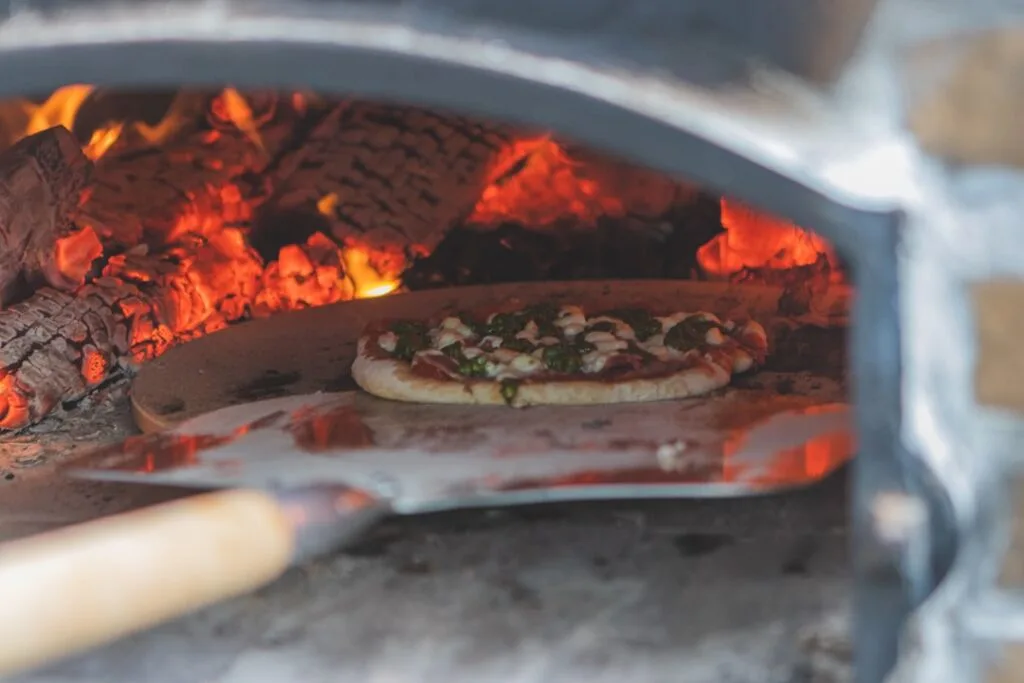
Finally, one intangible tip: let your palate and judgment adapt. Naples likes to surprise and every pizzaiolo has a signature. The « true Neapolitan » can vary from street to street, but it always shares the same spirit: terroir, craft and conviviality.
Conclusion: pizzeria, ristorante — you’ll know the Neapolitan by the experience
Choosing between pizzeria and ristorante to find the real Neapolitan pizza is like choosing two ways of loving the city. The pizzeria offers immediacy: oven heat, the pizzaiolo’s gestures, an often noisy, popular atmosphere, and generally low prices (Margherita €4-€9 in many historic spots). The ristorante offers a complete experience: composed menus, wine pairings, table service and sometimes a modern take on pizza (prices often €10-€30 depending on creativity and the menu). In both cases, authentic Neapolitan pizza is recognized by its risen dough, airy cornicione, local ingredients (San Marzano tomatoes, mozzarella di bufala) and the quick bake in a forno a legna.
In Naples, monuments and culinary rituals answer one another. Between a morning at the Duomo di Napoli (Via Duomo, 149), a stop at the National Archaeological Museum (Piazza Museo, 19) and a walk along the Lungomare Caracciolo with views of Castel dell’Ovo (Via Eldorado, 3), your food stops will fit in naturally. Historic pizzerias — L’Antica Pizzeria da Michele (Via Cesare Sersale, 1), Pizzeria Sorbillo (Via dei Tribunali, 32), Pizzeria Di Matteo (Via dei Tribunali, 94), Pizzeria Starita (Via Materdei, 27) — are near-religious shrines for enthusiasts. Ristoranti like Ristorante Umberto (Piazza Trieste e Trento) or the trattorie of the Quartieri Spagnoli offer another way to enjoy Neapolitan cuisine.
For travelers, the best advice is to open your senses: watch the oven, listen to the local crowd, look for charred spots on the cornicione, and smell the fresh basil. Bring cash, come outside peak hours if you want a calmer experience, or accept the queue to live the popular authenticity. Whether you prefer the lively buzz of a pizzeria or the comfort of a ristorante, the true Neapolitan is found where tradition is respected and where you can feel the passion in the craft. Buon appetito e buona scoperta — may your quest for the perfect pizza in Naples be tasty and memorable.